Living with the Quiet Warnings of Damp Room Lighting
Post-use noises from lights in humid rooms signal moisture, wrong fixtures, or installation issues; using proper fixtures prevents failure and inconsistencies.
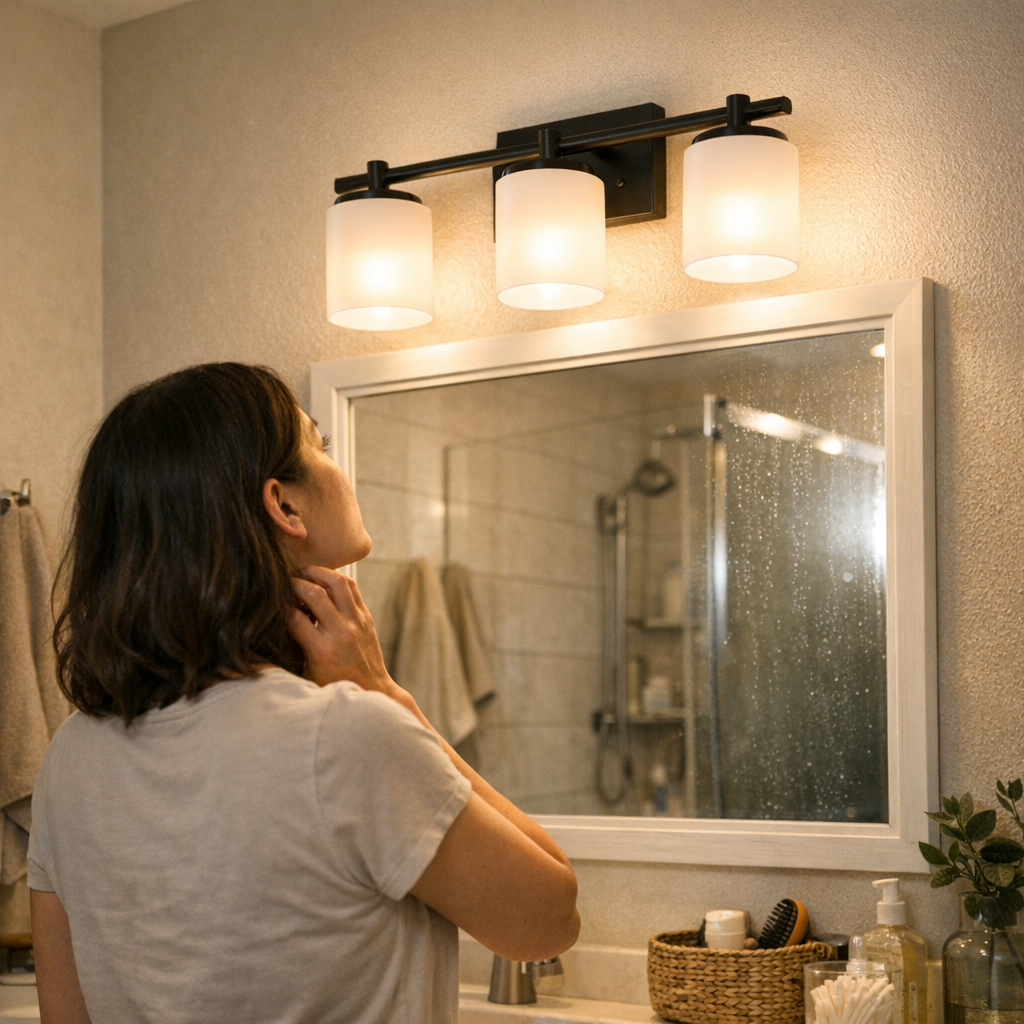
Some things don’t catch your attention until they do. The ceiling light clicks, almost like a polite reminder, just after the shower steam lifts. Or sometimes there’s a hum—a soft one, but unmistakably different from the gentle hush of a house settling at night. For the longest time, I hardly noticed these small interruptions in places that see the most water and warmth: bathrooms after morning routines, or laundry rooms just as the machines quit spinning.
You don’t notice it immediately. But you feel it.
It’s easy to take lighting for granted until something shifts, however subtly. Living with flush mount and hardwired wall lights, you grow used to illumination that fills hallways, chases away odd shadows where stairs meet landings, and brightens work surfaces beneath cabinets where coffee is made and mail sorted. Sometimes, though, the light itself signals back: a crackle that syncs with steam, a faint delay before brightness steadies, or a shadow that wasn’t there when the fixture was new.
You start to notice which spaces are the first to react. Bathrooms, laundry corners, wherever the air hangs heavy for even a few minutes longer—these become the test cases. There’s a certain silence that belongs in these rooms after use, but the wrong fixture breaks it, quietly letting you know it isn’t quite made to keep up with showers, dryers, and damp towels.
Humming, Ticking, and That Under-Surface Restlessness
Sometimes it’s only after the room empties that the sounds show up—a metallic tick echoing in the hallway, or an off-tempo buzz in the mirror light over the sink. Neither alarming nor pleasant, just enough to stand out against the rest of the day.
It was this overlap between routine and interruption that caught my attention. Heading into the laundry one night, I flicked off the ceiling light and heard it: a short, sharp crackle, then a pause, like the fixture was collecting itself. At first, it felt like nothing. After a week, the pattern was stuck in my mind.
The fixture looked fine. But the post-shower noises and hesitant light weren’t just quirks—they were signs.
Light That Lasts Beyond the First Impression
Most flush mount, semi-flush, panel, and linear ceiling lights, as well as wall sconces and vanity lights, promise an even glow out of the box and usually deliver—for a while. But over time, steam and moist air start to draw invisible lines: small delays, uneven startup, or creeping shadows in the same kitchen work zone every morning. For me, it wasn’t the brightness that failed—it was reliability, the sense that light stayed steady and responsive after dozens of cycles, not just on day one.
Swapping in a damp-rated fixture wasn’t about ticking a checklist. After making the change above the washer and again over the mirror, the difference became almost background-level. The familiar noises faded, replaced by soft quiet that stayed true no matter how much moisture hung in the air. Everything worked smoothly, even in spots that once felt unpredictable or oddly tired.
It’s curious how small changes accumulate until the room feels trustworthy again. You return at odd hours, lean into work surfaces, or climb stairs in low light, and the fixture just works—no hum, no flicker, no dimming edges.
The Spaces That Keep Asking More
Repeated use exposes where lighting quietly stumbles. Entryways witness shoes shuffled on and off, hallways trade footsteps for lost keys, and bathrooms rarely dry out between uses. In these places, the slow build-up of noises and inconsistent brightness becomes hard to ignore—not for drama, but because routines return you to the same question: does the light support you, or do you work around it?
Reliability in lighting means settling into a space quietly ready for repeated, real use. The awkward sounds, dimming edges after a shower, uneven shadows hiding in work zones—they all become reminders that some fixtures ask more of us than they should. The right one becomes something you rarely notice for all the right reasons.
Sometimes it takes a while to see what the light is really telling you. There’s something both humbling and practical in that recognition. For anyone drawn to the quiet side of what makes a room work, these differences are as steady—and as revealing—as the routines they illuminate.



