Nighttime Paths and the Quiet Struggle of Slim Cabinets
The real performance of slim corridor cabinets appears after repeated use; sliding doors and shallow depth prevent blockages and clutter near walk zones.
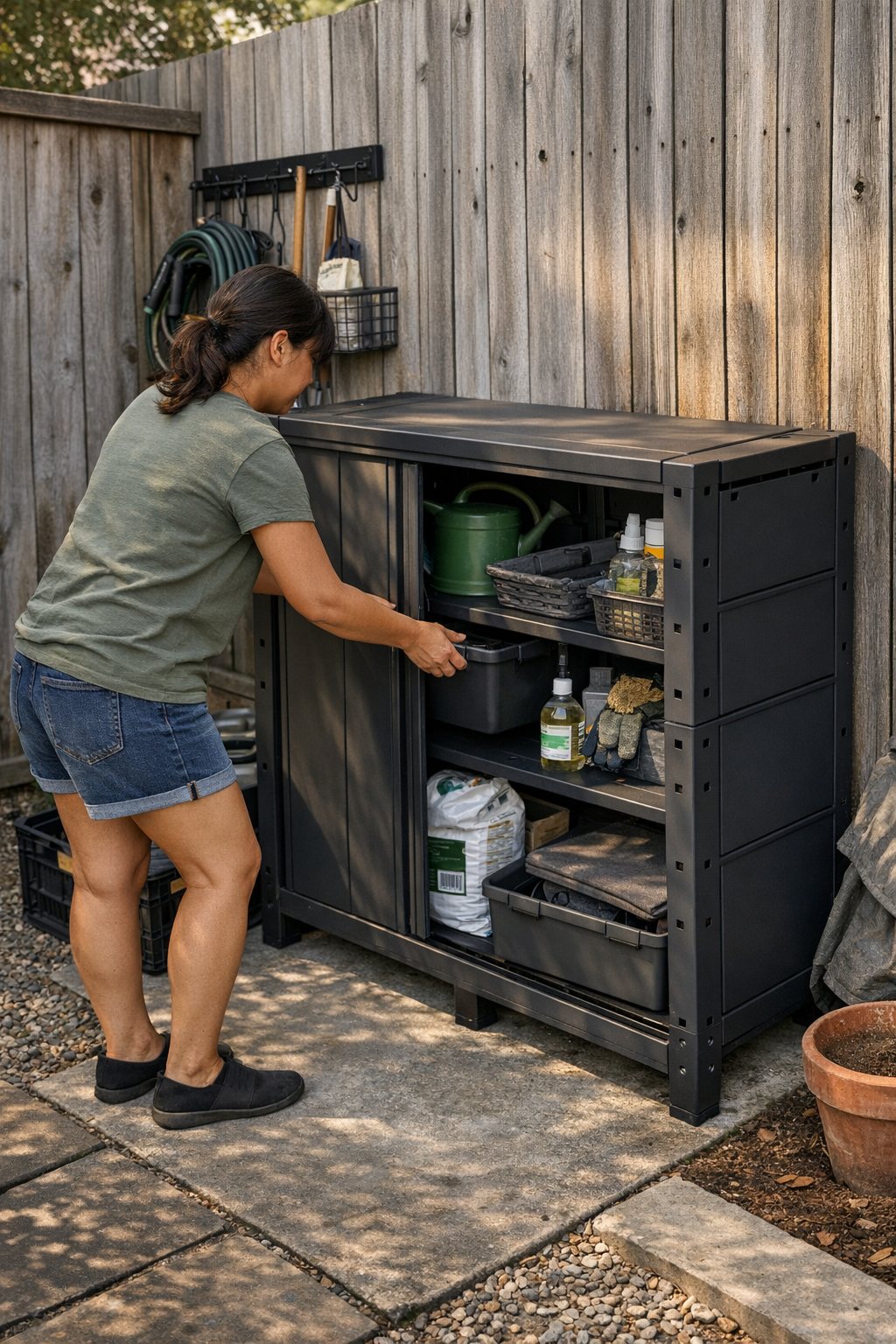
You don’t always notice when a storage cabinet becomes an obstacle. Usually, it’s late in the evening, when you’re half-awake and making your way down the corridor for one last check before sleep. I hadn’t given my so-called “slim” cabinet much thought at first. It seemed narrow enough by measurement and didn’t look out of place in photos or daylight. But routines have a way of exposing what catalog stats can’t.
The problem didn’t announce itself in a dramatic tumble or an obvious bruise—just a quiet friction every time I reached for shoes or cleaning bottles in low light. The cabinet looked tidy when everything was closed. But over nights and weeks, I began to feel it stepping into my path. That was the part I kept coming back to.
What the Tape Measure Doesn’t Show
A good storage system is less about raw capacity and more about the rhythm of access. With cabinets and shelves, it’s not just shelf depth or size but how the doors open, where the edges swing, and how much clear floor space they demand. You don’t notice it immediately, but you feel it in everyday use.
It started with a subtle sidestep—a dance around open doors that only grew more awkward as days passed. I’d catch my foot on a handle, or find an extra shoe piled along the baseboard after skipping a proper return late at night. The smallest deviations from my usual stride scattered things across the floor by morning. That quiet tension between looking organized and actually staying usable builds up, especially in narrow corridors you navigate on autopilot.
The Value of an Unblocked Pathway
There’s a kind of relief in a cabinet that simply slides open. When I switched from a swinging-door model to one with sliding panels, the footprint difference was minimal—just a few centimeters. But in practice, it meant far fewer pauses and no need to step aside to clear the door swing. Even loaded down with laundry or bags, I could open a door with a nudge and reset items easily.
The walking path stayed steady, and clutter stopped gathering in the corridor. Mornings felt easier, too, because I didn’t have to detour around a door left ajar. The shift was quiet but persistent: less physical negotiation with the storage system and fewer reminders of a fit that wasn’t quite right.
When Routines Settle, Function Matters More Than Looks
For inside-corridor use, the perfect cabinet dimension is less about the deepest shelf or the trendiest profile and more about how it supports repeated routines without interruption. Shelves need to hold real items—shoes, bags, umbrellas—not just staged baskets—and let those things return easily, even in the dark.
Sliding doors or shallower depths remove moments of friction, making it less likely I’d skirt around piles or leave things out in a rush. When storage matches movement and retrieval, the corridor stays more open without a daily reset burden. This difference settles gradually, somewhere between the first toe stub and a habitually quieter night.
If these thoughts feel familiar, there’s a little more on storage structures and living with them right here: www.gridry.myshopify.com



