Quiet Moments Inside a Well-Ordered Car
Choosing the right in-car setup reduces interruptions from cables and clutter, making long drives smoother and less burdensome.
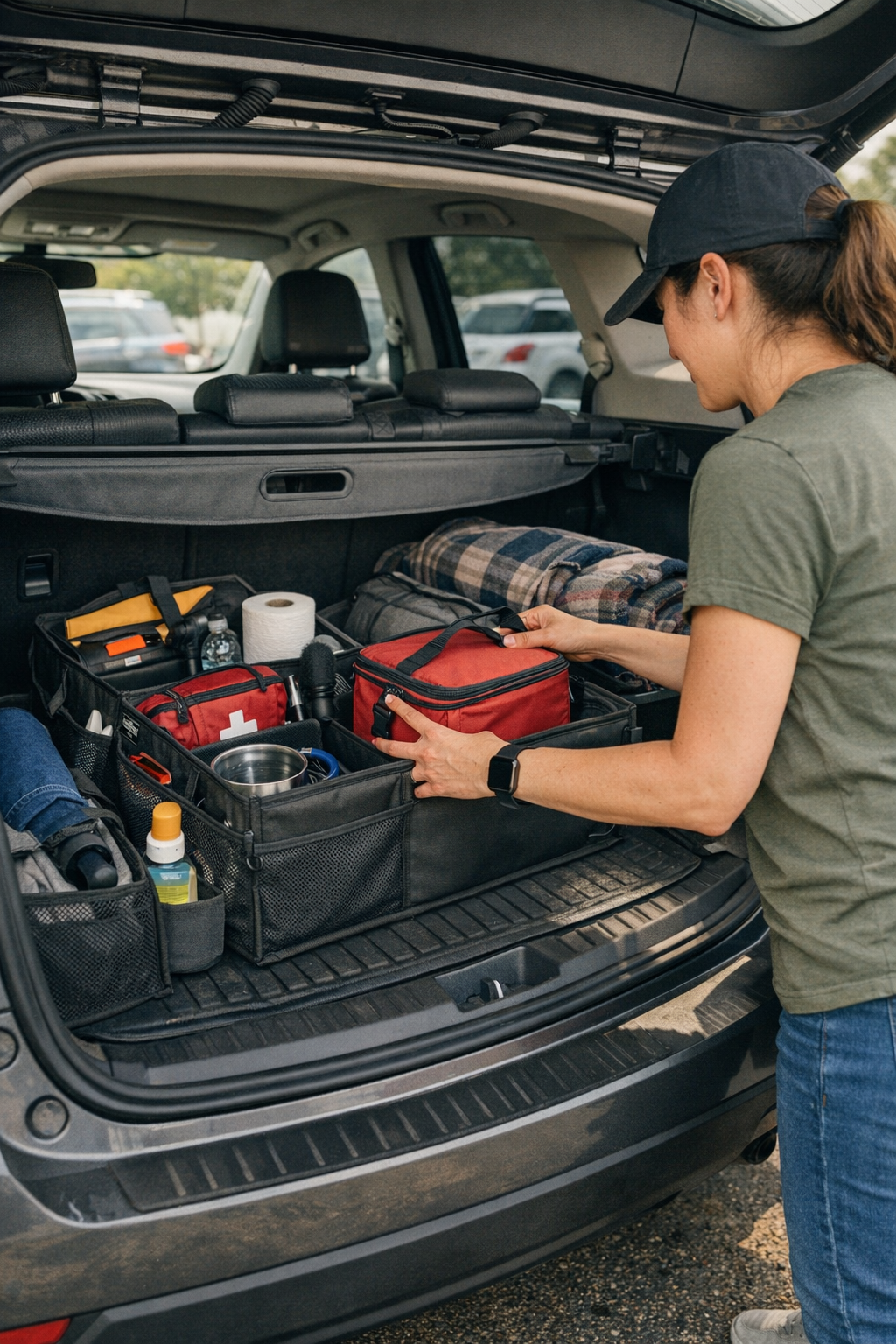
The relief hits after a string of short drives: when you get back in, everything is exactly where you left it. Not almost there, not slightly shifted, but really settled—more stable than it looked at first glance. It’s a quiet satisfaction, the kind you barely notice until a day slips by without the usual pauses and small fixes. What stood out was how a car interior that only looks organized can fall apart with just a few errands. The difference isn’t in how neat it looks right after cleaning up, but whether it stays that way after a couple of returns, with all the interruptions that try to creep back in.
The Small Drifts That Wear You Down
You notice it after a few trips. Cables slink into the footwell, the phone slides just out of comfortable reach, and something small always seems to be under your heel. For me, it was the receipts shuffling back around the seatbelt buckle—a minor irritation that kept resurfacing. Floor mats would creep every time I slid back into the car, so I’d readjust them, already feeling the routine slow down by a few seconds. These aren’t big obstacles, but they add up over a week into real friction with repeated stops and starts.
Small Changes That Make a Difference
The shift came quietly—not from a big reorganization, but a few small tweaks I kept repeating. Running the phone charger out of the gear path, anchoring it with a clip so it never drifted. Swapping a standard mat for one that overlapped the seat edge by an inch or two. It was barely noticeable at first, but the difference kept showing up. The charger cable stayed put, the mat resisted the usual slide, and less time was spent clearing bits from the floor or reaching awkwardly for the phone.
When Looking Tidy Isn’t Enough
Most organizers look good right after you sort everything. Then you drive. Pens nudge out of trays. Cords escape, sometimes just enough to snag a bag as you move. Armrest compartments fill up, crowding out the small things you actually need. That’s what kept coming back: the mess didn’t grow, but it kept interrupting. The real work wasn’t about a clean surface, but keeping things accessible, stable, and out of the way whenever you reached for them again during repeated short trips or daily commuting.
Sometimes I’d pause before starting the engine, half-expecting another short tangle or a stray bottle behind the seat or at my feet. Each fix brought a small relief—a sort of promise kept between my habits and the way the car held together. The proof wasn’t how it looked at a glance, but how little I had to fix each time I returned after errands, runs, or quick visits.
A Quiet Structure That Lasts
Eventually, a pattern settled in: the cars that felt truly easy to live with weren’t the ones where everything had its display spot, but where the phone stayed reachable, the cables didn’t get stuck, and the floor was clear every time. The best trick was less about hiding clutter and more about stopping drift during daily use. Anchored cables, mats with enough overlap, and placing organizers within natural reach—all these held up better than cosmetic order alone.
What’s left is a car interior you can return to calmly, with enough familiarity that small hassles never stack up. That’s been worth more than any perfectly arranged console or trunk, and easier to keep going through daily loads, shared use, or dog gear in the back.
If you want to explore practical pieces that keep a car’s interior from drifting apart, you can see more here.