Quiet Rides Begin with Simple Car Changes
A tidy car needs anchored bins and blocks to keep items still, reducing noise and daily cleanup for smoother drives and easier access.
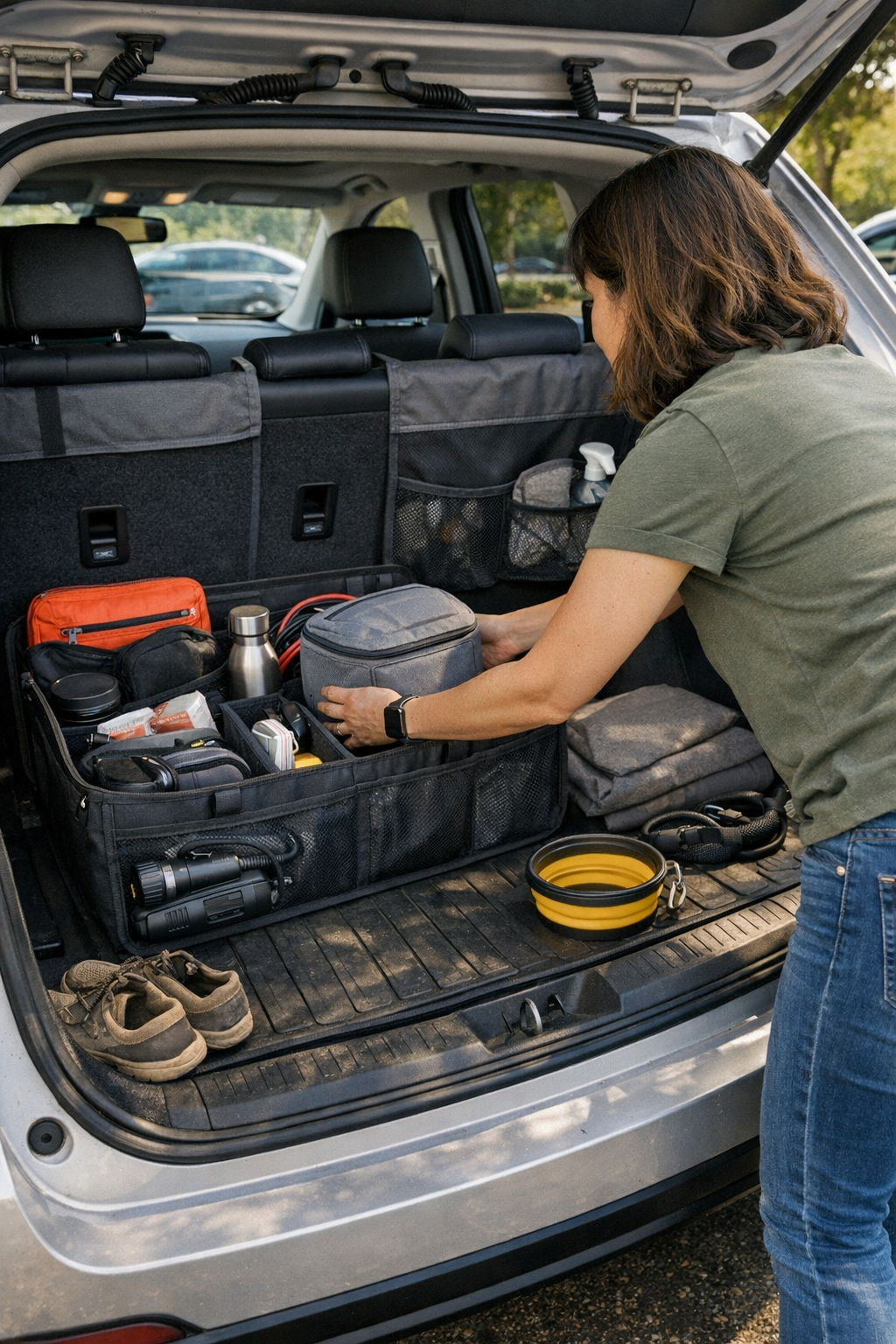
You notice it after a few trips, not right away. The first morning, stepping into a newly organized car, there’s a small satisfaction—chargers coiled, water bottle upright, cables tucked out of sight. But the calm starts to unravel almost immediately. Something slides at the first stoplight. By the end of the second day, that bottled-up tidiness feels as temporary as a wiped fogged window. It’s not just about how the car looks; it’s how it actually lives with you on repeated drives.
The difference showed up in motion more than in appearance.
It Looks Organized—Until You Start Using It
On a clean day, the car almost passes for control. Phones dropped into cupholders, grocery bags lying flat, sanitizer jammed into the center tray. And yet, every errand or quick stop sends those objects drifting. A sharp turn wedges a charger cable between the pedals. A bottle rattles loose in the door pocket. The charger line catches in the seat rail and pulls taut unexpectedly.
That gap between a car that seems fine when parked, and what happens once you’re driving and getting in and out, kept pulling my attention. Hidden storage compartments or pushing clutter out of view don’t hold up to repeated use. The first signs—the constant fishing for a charger, retrieving a bottle fallen under the seat—became a low-grade frustration that wore me down over time.
It looked fine at first. But real use told a different story.
The Real Test Is Repeated Entry
I started noticing what actually stayed put after multiple trips. The small disruptions added up: reaching for a phone charger only to find empty fingers, kneeling awkwardly to grab a dropped cable, snagging my jacket on a loose bin edge near the seat. Those little annoyances never show up in the “after” photo but add friction to every trip.
Groceries roll in the trunk organizer, work gear shifts on the floor, and the emergency kit sometimes ends up mixing with a loose cup in the footwell. Every time I returned to the car after a quick stop, it took a few seconds just to put things back right—over and over. That’s when it clicked: an “organized” interior isn’t enough. What matters is a routine and setup that keeps its shape across quick exits and entrances, no matter the hurry or distractions.
Too many storage solutions ignore what really happens after you open the door multiple times in one day.
Anchoring the Small Stuff Matters Most
I didn’t need a fancy organizer or expensive system. Just a sectioned floor bin that stays put and a small block in that notorious seat gap stopped everything from drifting. No more scrambling for chargers or rattling bottles. No more objects bouncing out of reach or catching where they shouldn’t.
The change wasn’t just about clearing clutter—it was about reducing the steady, repetitive friction of tidying up mid-drive or between stops. I came back to a car where everything stayed calmly in place. The quiet order isn’t just visual; it’s practical and persistent across dozens of real trips.
The best setup isn’t necessarily the most minimal or decorative. It’s what keeps your phone charger flowing smoothly without cable jams, prevents seat-edge bunching that traps items, holds cargo firmly without sliding, and stops dog-travel gear from spilling over after short drives.
Sometimes the real upgrade to car life is just lowering the daily resistance by one notch, so the driving part feels uninterrupted.
If you’re curious where I landed on the setup, it’s quietly laid out here: http://www.drivewellsupply.myshopify.com



