Quiet Tools, Cleaner Walls: A Reflection on Apartment Fixes
Impact drivers may seem interchangeable, but those with better vibration dampening and sub-90 dB noise yield cleaner surfaces, less repair, and fewer complaints.
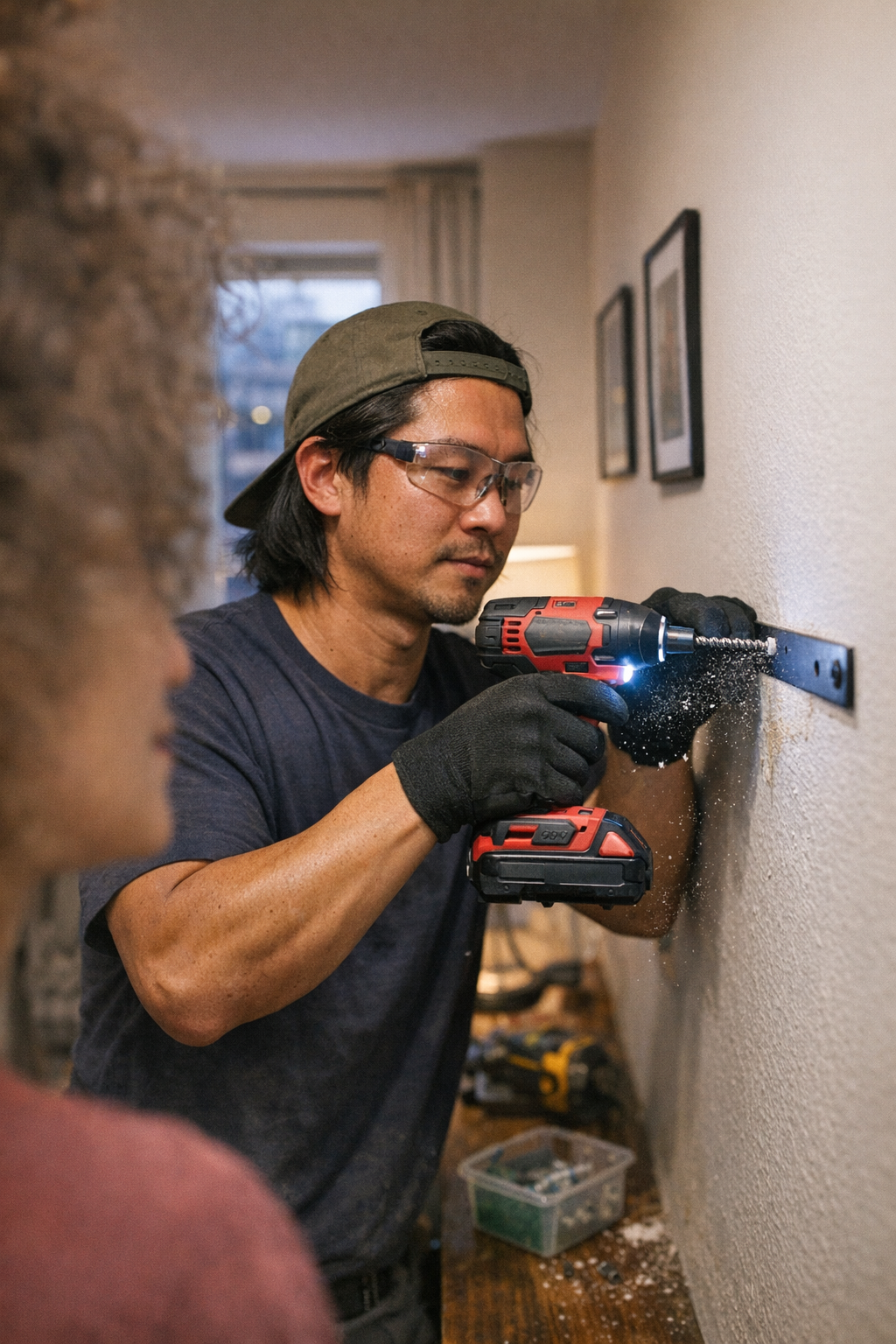
There’s a kind of disruption that sneaks up quietly. You might be halfway through mounting a curtain rail or fitting the last of some floating shelves. Suddenly, it’s not the task itself that interrupts your flow—it’s the sharp echo of an impact driver reverberating through thin walls, startling both your hand and the evening hush of an apartment.
This isn’t a story about specs or product features. It’s about the moments when you realize how much the right tool shapes the space you share and the work you do—all without drawing attention to itself. Maybe you’ve been here too: looking for an impact driver that handles apartment jobs with less noise and less mess, hoping not to trade one set of problems for another.
Familiar Tools, Unseen Differences
At the hardware store, it’s easy to assume that any impact driver will do for these jobs. Most of them look the same. Similar size, weights that feel reasonable, bits that swap in and out. You don’t notice anything off—at first.
But as the evening stretches on, the feeling shifts. The driver you picked starts to bite, sending sharp, jittery vibrations through your palm with every anchor driven. It leaves edges splintered and drywall dust creeping out from every fixing. Maybe you pause to sweep up, noticing that a neighbor’s footsteps have stopped in the hall.
It’s a small thing at first. But you feel it.
One tool draws extra attention with every clang, every skitter of flaked plaster. The other—maybe just a quieter model with real vibration dampening—moves with less drama; holes stay clean and your work leaves barely a mark behind.
The Weight of Small Choices
I remember fitting shelf brackets late one Friday. The sun had set, and every thud echoed like a miniature drumbeat through the partition. After just a handful of screws, the difference between drivers became clear. The first rattled the shelves, amplifying noise and turning each anchor into a potential repair. By the eighth screw, I was cleaning more than installing, and found myself apologizing under my breath for the ruckus.
Switching tools didn’t feel significant until it was. Suddenly, the seam stayed neat, the anchors flush. The room quieted. There was less to sand, fewer cracks to fill later. What once felt like an unseen detail—how the driver’s vibration traveled into my hand—had ripple effects across the whole task.
In those small, practical differences, I could work later without worry. No late-night knocks on the door. No fatigue after ten or twelve anchors. Just less residue, less tension, fewer apologies.
When the Task Reshapes the Room
There’s a moment, if you pay attention, when the job seems to reshape the room around you. It happens slowly—vibration finding its way through thin walls, the sound of impact catching in every corner. Sometimes, after a burst of work, the quiet that follows seems charged, as if the space itself is holding its breath.
A lighter driver might have felt nimble at first, but every echo and chip made it clear that sometimes a little extra weight—or better dampening—is worth it. In the end, a sub-90 dB peak noise wasn’t just a spec on paper. It was the difference between cleaning up for hours and closing the door with everything still in place.
Realizing this changed what I look for in tools now. It made me appreciate how even the smallest choices, repeated many times, can leave a mark on the places we live—and on how comfortable we feel sharing them.
These reflections came together while working on an ongoing home project.