Small Changes That Ease Our Daily Pet Travel Routine
Pet-travel setups that look organized can still slow you down, but adjusting pocket layout or leash clip placement smooths travel and reduces friction.
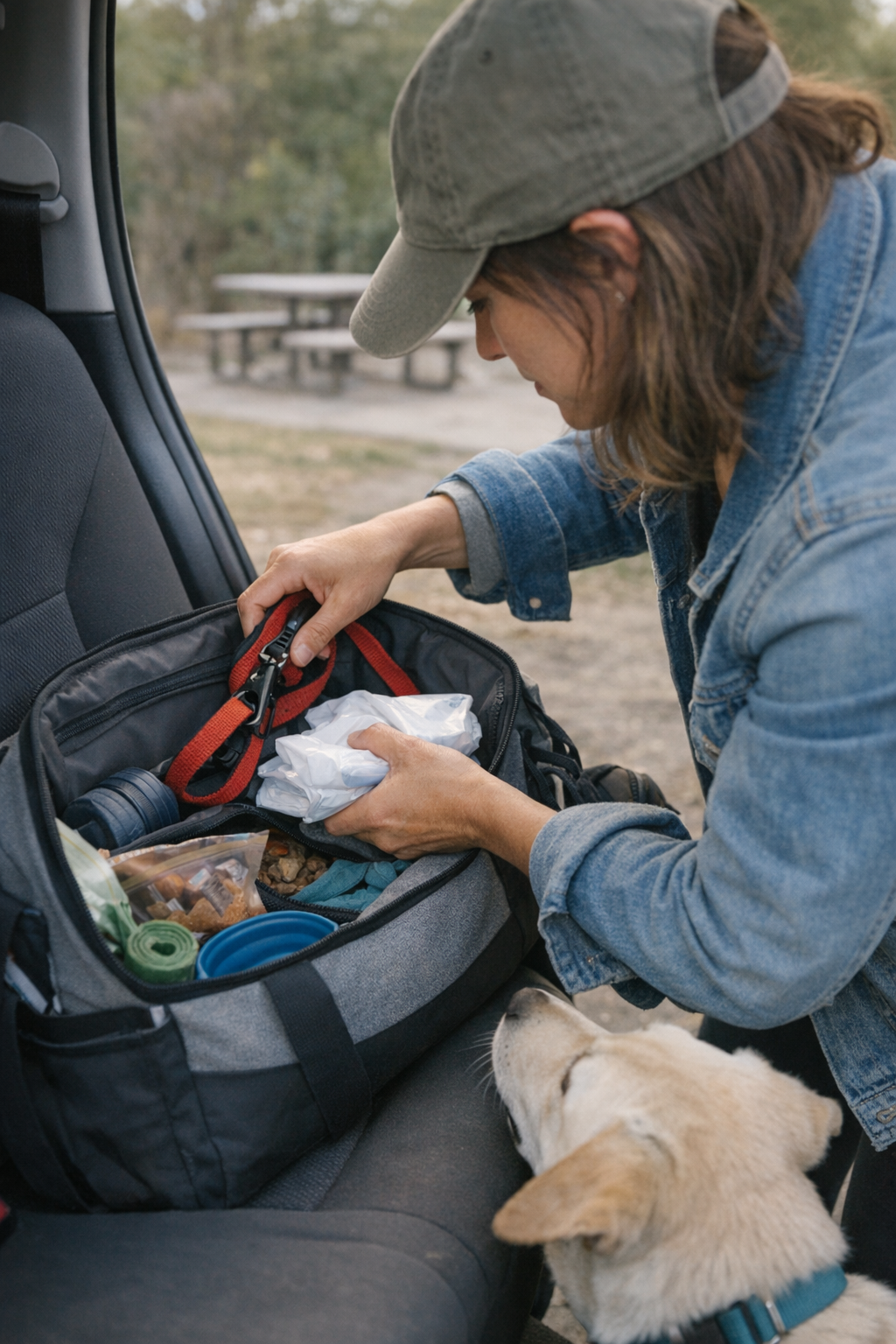
There’s a particular moment, usually right after the second walk break on a road trip, when your hand reaches for the leash or the wipes and instead of a smooth grab, you feel friction. It’s the kind of snag you don’t notice at home, where the pet travel bag sits packed, every zipper closed, every item in place. But after stopping, shifting, and settling in the car a couple of times—often with your dog moving restlessly between seats—the difference between neat and functional becomes obvious in those little shuffled moments.
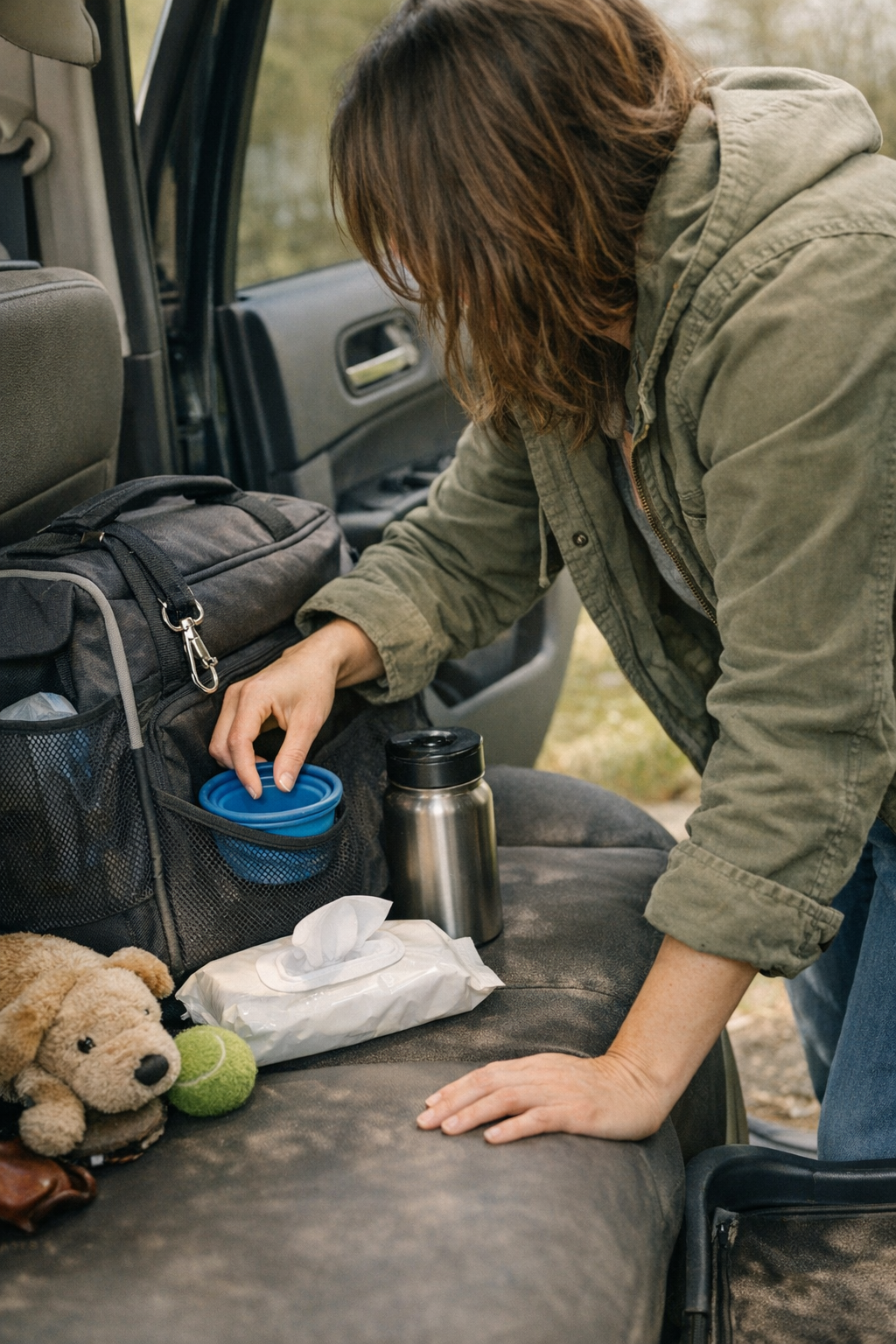
After a few trips, the setup that looked organized at first starts to slow you down. The side pocket is just a bit too tight for quick leash access. The travel bowl slides on top of the wipes. The treat pouch gets hidden under a fold of fabric. Every time you reach in—whether at a rest stop or grabbing something through the car door—those small obstacles build the real story of the day.
The Quiet Pressure Points
You often don’t realize how many times you’re reaching for something until you count the motions: leash, waste bags, water for a quick stretch. By the third or fourth pause, the careful packing begins to fail in practice. Grabbing one essential forces you to move or lift another. Sometimes your dog waits close by, the tension in their posture matching the delay you feel.
That slow buildup of micro-frictions stuck with me. It wasn’t just a one-off inconvenience; it was the way repeated handling turned a tidy setup into a snag-filled routine. On days with frequent, short hops, success wasn’t about how neat the bag looked but whether access felt automatic—seat-side, within easy reach, and with one hand free.
A Small Shift, Many Repeats
I eventually changed the main access opening so it faced outward at the seat edge rather than inward into the carrier. Suddenly, key items—leash, wipes, cleanup pouch—fell naturally under my hand. That small pivot shifted the entire rhythm. Instead of twisting the leash from under a rolled-up blanket or hunting for wipes beneath a spare bowl, I could grab essentials in just a motion or two, even when feeling rushed.
At first, the difference was subtle. But with repeated stops, it showed clearly: no more fumbling through layers, no more lost treat pouches. Each pause felt a little smoother, each wait a little calmer for my dog and me. When you’re not tangled up in the gear, the quiet moments between drives stretch a bit longer, more relaxed.
True Ease Isn’t Just Tidy
I found that neat packing matters less than shaping the setup for actual movement. What reduces frustration isn’t the look or label, but whether the essentials land where your hand expects them—even when distracted or in a hurry. A smooth transition after every stop, free of blocks or awkward reaches, becomes its own kind of relief on every short trip, errand, or quick park visit.
It’s easy to assume a system works just by how it looks. But repeated movement reveals where comfort stops and friction begins. Over time, subtle shifts in how gear is arranged and accessed ease the routine. That’s what sticks long after you’ve stopped worrying about which pocket goes where.
If you want a closer look at what I’m working with now, here’s the setup: http://www.pawgotravel.myshopify.com