Small Lights, Big Difference in Daily Kitchen Moments
Under cabinet and shelf lighting solves problems left by ceiling fixtures, improving clarity and comfort with reliable mounts and clean cables.
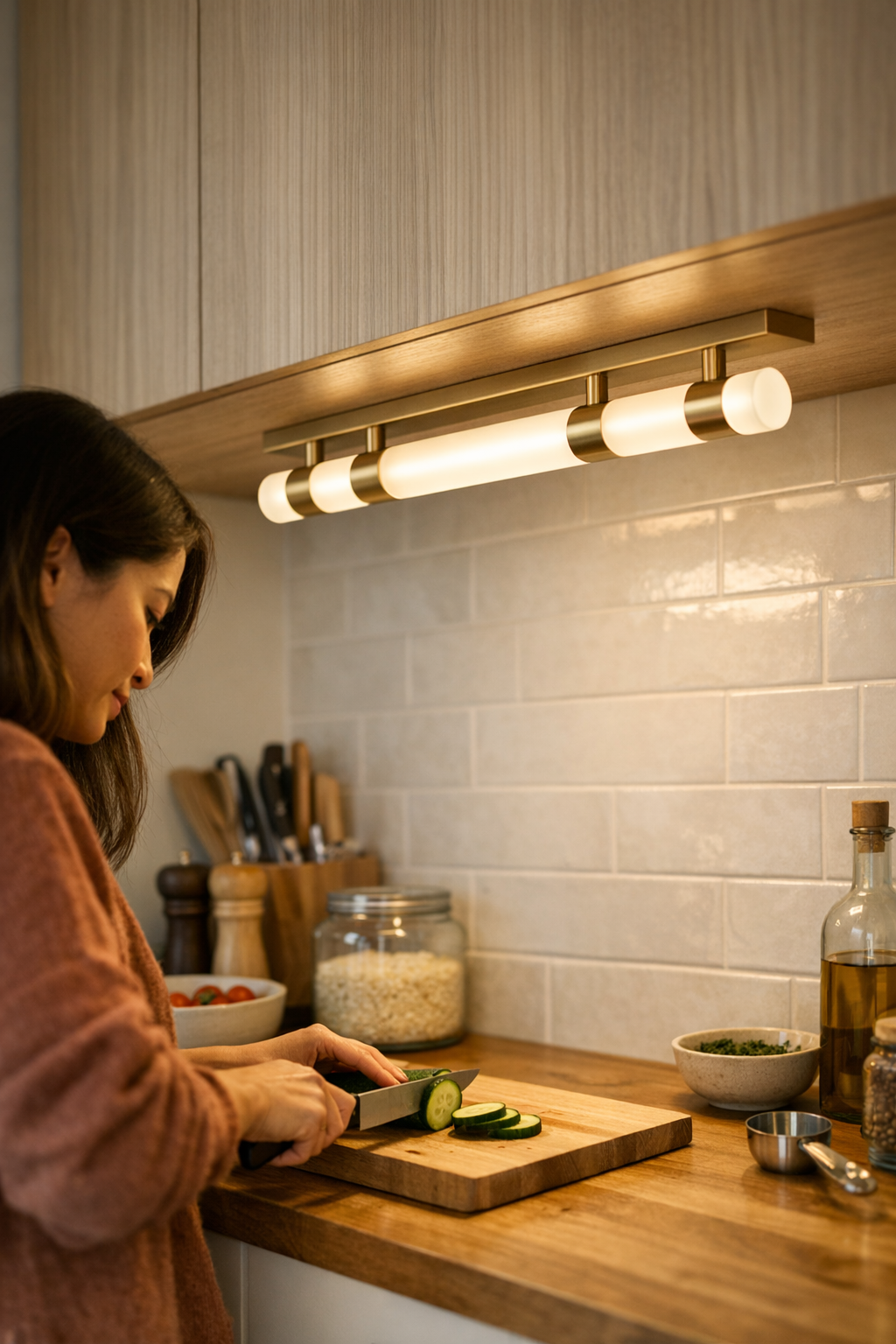
It’s strange how organized a room can look at night, with cables neatly tucked away and ceiling and wall lights working together in theory. You sit down, glass in hand, or lean into a routine task—and there’s a quiet moment of discomfort that doesn’t match the tidy view. The light isn’t going where you need it, and the difference grows familiar before it even registers. For me, this showed up most clearly under shelves and cabinets, in the places where hands move and overhead fixtures can’t quite follow.
Where Even the Best Ceiling Light Fails
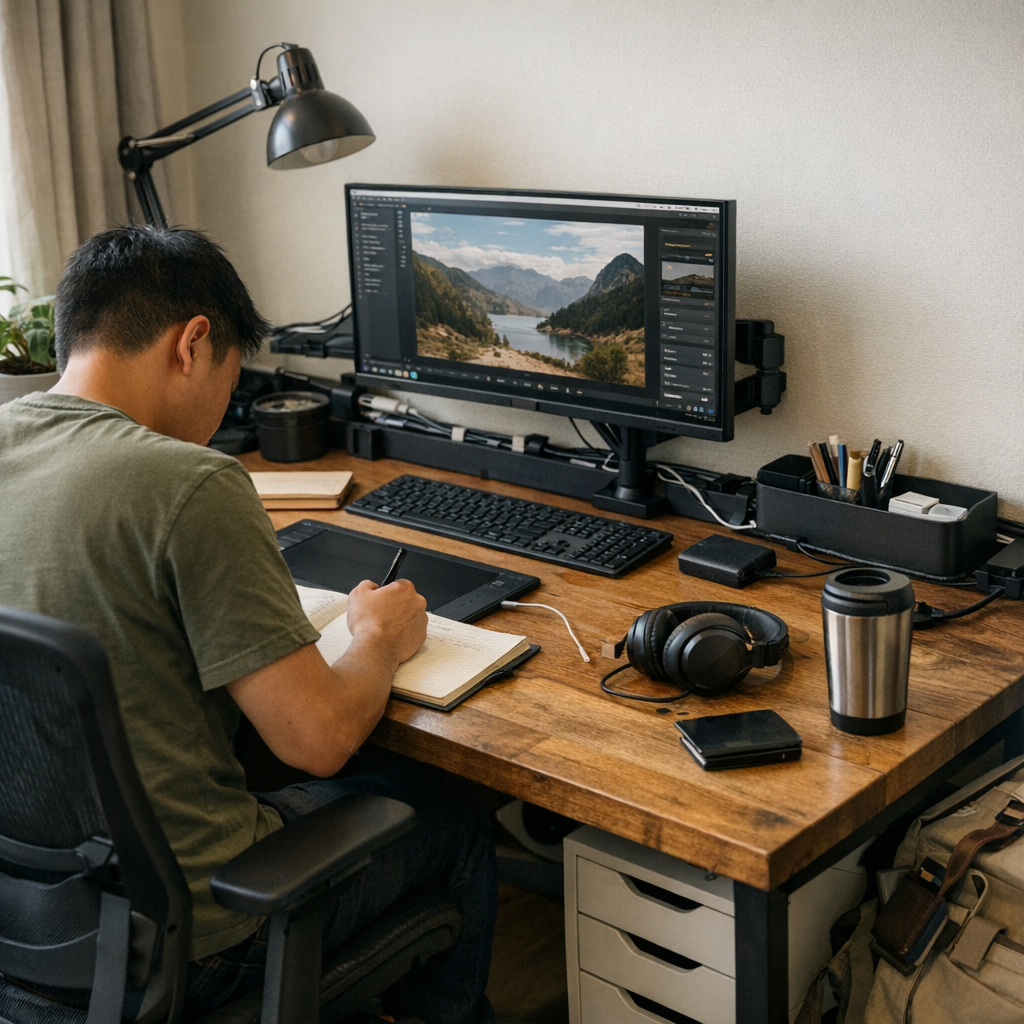
You don’t notice it immediately. Overhead light spreads itself generously—illuminating wide, bouncing off clean counters, making the whole room feel finished from a distance. But the first time you reach for something at the back of a shelf or try to read fine print beside the wall, there’s the shadow. A hand, an arm, or sometimes just the angle—whatever it is, the light stops short. Frustration comes in small ways: needing to move a jar forward, tilting a desk lamp toward a recipe, wedging a task light awkwardly where it’s sure to tip over. It’s not about overall brightness; it’s about seeing what you’re doing without fighting the setup every time.
The Everyday Tangle
For a while, I tried ignoring it. I told myself the main fixtures were enough and found myself rearranging things every few days. There’s something quietly irritating about trailing cables—each time I wiped down the counter, the little desk lamp’s cord got in the way. Sometimes the fixture drifted just enough to make the whole task feel off-kilter. Of course, a better setup can help. One afternoon, I bracketed a slim LED bar beneath the most-used shelf and tucked the cable along the wall. Night slipped in, and the old shadow at the back of the counter simply wasn’t there.
You feel it: the uncluttered light, steady, falling exactly where it’s needed. No shifting cords to clear, no more balancing act with tools or jars. Just the right amount of support, almost an afterthought once it’s right.
More Than Looks
That was the part I kept coming back to. There’s a kind of honesty in seeing the edge of your workspace, undistorted—no glare skipping off the counter, no hand blocking its own work. It isn’t about making things brighter everywhere. It’s more about quiet, effective support: brackets that stay put, cables that disappear along the edge, and light that doesn’t get in its own way. When the small details in a high-traffic spot line up, routines become easier. Over time, the difference is in the absence of struggle. Sometimes, that’s the only measure that matters.
If you find yourself thinking about these edges too, there’s more to consider here: http://www.lightsupport.myshopify.com