Small Tape Marks, Big Changes in Everyday Light
Marking fixture holes with tape ensures straighter mounts, balanced light, and fewer shadows, crucial in small or task-focused rooms.
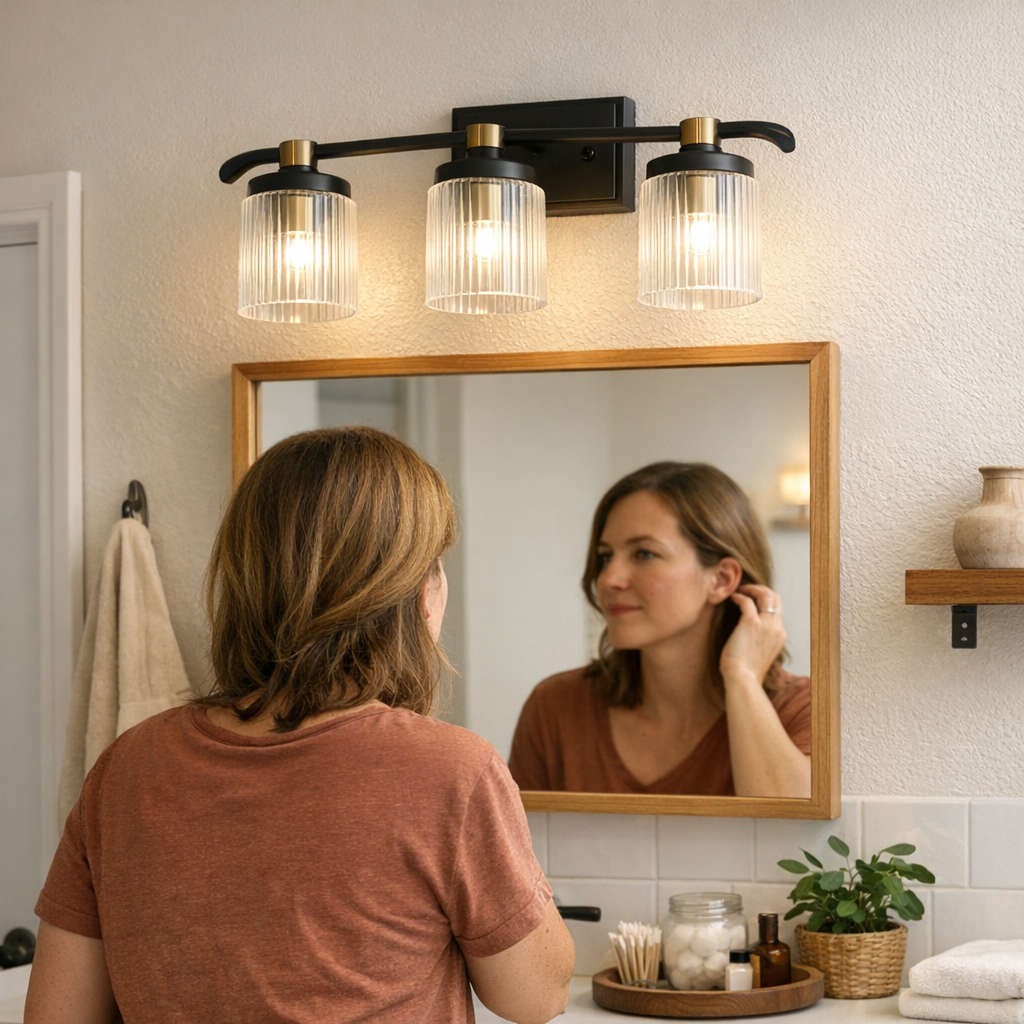
There’s a strange thing that happens after you install new indoor lighting. For a few days, maybe a week, everything seems fine. It’s only later—when you’re passing through the hallway or leaning in toward a bathroom mirror at sunrise—that subtle issues start to show. The angle isn’t quite right, shadows fall where you fold clothes, a stretch of stairway stays dim no matter how many times you flick the switch. These problems linger at the edges—a certain unevenness in the way the light actually performs, different from how you thought it would be.
I kept coming back to how I marked drill points for mounting fixtures. At first, it felt like a minor detail. Tape or no tape, surely an inch or two wouldn’t affect anything bigger than a fixture’s appearance. But mounting by memory or just measuring with a tape left enough room for things to shift. Flush mount ceiling lights ended up slightly off-center. A wall sconce cast a slanting shadow across a switchplate, or the edge of a vanity mirror caught an extra splash of glare. It wasn’t just about the hardware; it was the overall lighting pattern. And you don’t notice it immediately.
Routine Exposes the Misalignment
A bathroom may look bright as you enter, but day by day, you find yourself turning your head to avoid glare. In the laundry room, a small shadow keeps appearing exactly over the spot where you lay sweaters to dry. Each time you use the light, the tiny error becomes more obvious. Imperfections shift from visual distractions to practical frustrations. With every routine action, the annoyance compounds.
There’s a quiet difference between a fixture looking right from the doorway and feeling right in use. It’s especially noticeable in narrow spaces. Corridors magnify every misalignment; stairway lighting that misses a tread by just a few inches changes how you step. The changes are ordinary, not dramatic—but you feel them.
Tape Holds the Room Together
Eventually, I started using simple strips of painter’s tape to anchor drill marks for every ceiling mount, wall light, or under-cabinet sconce. The tape was just visible enough to confirm placement from several angles before drilling. The improvement wasn’t immediate, but after a week, the room’s lighting felt more reliable. Shadows receded from mirror edges, and hallway lighting spread evenly from end to end. There was less adjusting, less stepping around glare.
What I kept circling back to was this: not having to compensate as I moved through the space. Most of the time, it meant forgetting the light altogether. Which, oddly, is what really made the difference.
Daily Clarity, Quietly Earned
Using tape isn’t a grand solution. It’s barely a tool—more like a short pause before drilling, a way to align fixtures so the lighting matches how you actually use a room. But in places where routines repeat—folding laundry, checking your reflection, climbing stairs at night—it changes the feeling from “almost right” to quietly seamless. Rooms stop drawing attention for bad lighting. They just work, again and again.
For anyone who’s lived with that small, persistent misalignment, I found more quiet reflections here: lighthelper.myshopify.com