The Quiet Damage of Installing Lights Too Soon
Light fixtures installed in humid rooms often fog and corrode; waiting for full dryness before install keeps them clear and reliable.
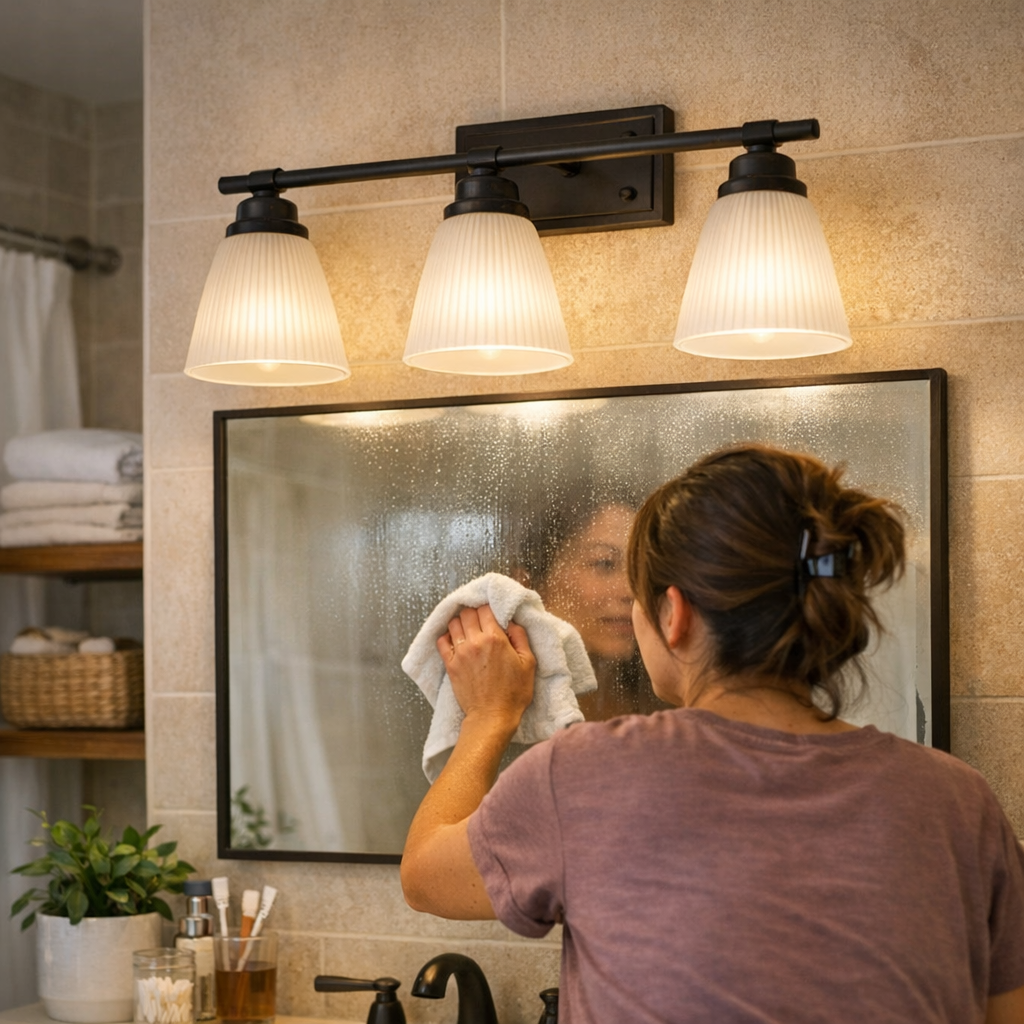
The steamy air from a hot shower lingers long after you’ve left the bathroom. It fogs the glass, settles on every tile, and leaves a thin film on the mirror that somehow seems thicker on some mornings. At first, I barely noticed what it was doing to the lighting fixtures—just that some lights appeared duller faster, and shadows crept in before they normally should have.
It snuck up quietly, the way certain bathroom lights—flush mount ceiling fixtures, vanity and mirror lighting—lost their sharpness sooner than others. There’s a difference between a room looking bright and a room being truly easy to see in under repeated use. I started paying more attention to when and how that light quality changed.
A Light That Grows Hazy
Days after installing a new bathroom fixture with a glass cover, the surface was still clean. But what came next—the blurred lens, soft bands of shade near the mirror—caught my attention. You don’t notice it immediately, but you feel it.
Even fixtures labeled safe for damp rooms can’t prevent what happens when warm condensation gets trapped inside the frame, settling behind the lens. No amount of glass cleaner could fully clear those early fog spots. Over time, it wasn’t just the mirror’s reflection that felt less reliable—edges blurred, and details faded, making tasks at the counter harder to accomplish precisely.
When Waiting Makes the Difference
This gradual light degradation was always more pronounced where I’d rushed installation. Once, in the narrow laundry room, I replaced a ceiling light less than an hour after running a hot dryer cycle. Surfaces were still warm and a bit damp in the corners. Weeks later, that fixture had a persistent film inside the lens, tiny moisture beads sealed in, and oddly uneven light along the countertop’s edge.
In contrast, the other bathroom where I waited for everything to cool and dry told a different story. Its flush-mount fixture stayed clear and sharp for months. No corrosion on the trim, no cloudiness under the glass—even after hundreds of showers. This simple habit of letting damp indoor air clear before installing damp-rated fixtures proved critical. Not just the fixture choice, but timing mattered.
Practical Light, Not Just Bright Light
The daily rhythms of any house show up in these small ways. Hallways where the mirror’s corner matters to your quick glance. A late trip down dim stairways where shadows suddenly interrupt your step. Over time, I thought less about how the new lights looked, and more about whether they truly worked every day—withstanding humidity, moisture, and constant use.
Letting the room fully dry before installing bathroom-rated lighting, vanity wall lights, or laundry fixtures became a simple routine. The light didn’t just survive; it stayed reliable. Task surfaces remained clearly visible, colors truer even on linty clothes by the laundry panel, and the clarity stuck around longer. Small, practical adjustments like these have a big effect on lighting quality in damp, busy rooms.
Sometimes I look around at the places where the lighting still works and wonder how many other invisible decisions hold things together behind the scenes—thoughts that occasionally spill over here: http://www.lighthelper.myshopify.com