The Quiet Disruptions of Moving a Dog Bed Around
Constantly moving your dog’s bed causes hidden routine breakdowns; a consistent spot with a buffer eases interruptions for both dog and owner.
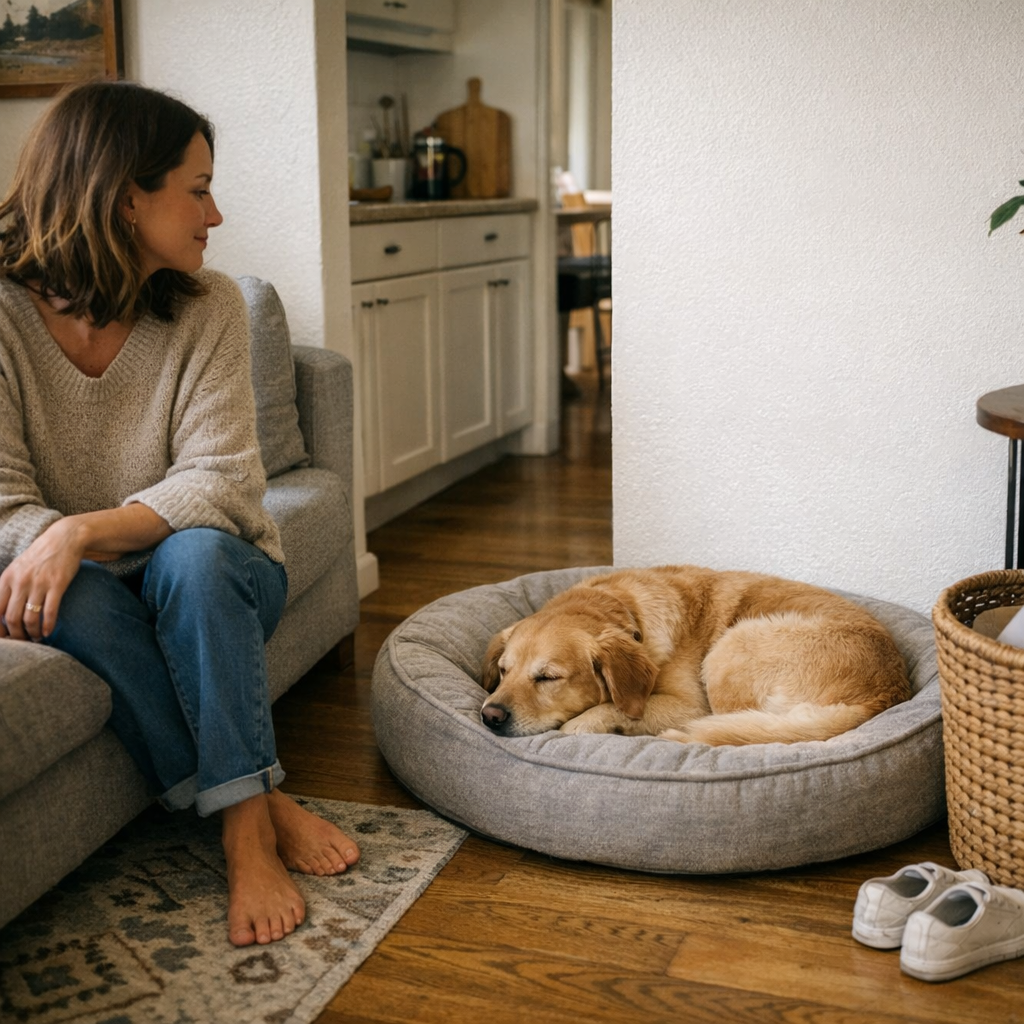
It’s usually something small that gets your attention. For me, it was when I started nudging the dog bed with my foot—not thinking, just moving it aside while heading to the kitchen or returning from a walk. In those moments, everything seemed harmless enough: a resting dog, a soft bed, a bit of routine movement through the house. But little by little, I kept noticing the same pause—either in my step or in hers. Sometimes it was a slow circle before she settled down. Other times, it was me awkwardly stepping over a corner that hadn’t been there the day before.
You don’t really notice how much a simple thing like a dog bed’s location matters until it keeps cropping up right where you least expect it—blocking your path during cleanup after muddy paws, or sitting underfoot when you're juggling water bowls and leash gear.
The Places Beds Drift
Dog beds hardly ever stay exactly where you put them. Vacuuming pulls them out of line. A door swinging wide pushes them closer to the hallway. Afternoon sun spots prompt quick moves by the window. Then there’s that daily moment near the entryway—wiping off paws, dropping a towel too late, realizing the bed is too close to the mess but not moving it fast enough.
At first, the bed looks fine. But over time, it shows up in new places. Sometimes it blocks the narrow hallway, making it tricky to get past with groceries or laundry, while a dog’s tail lightly swipes your leg. Other times, the bed slips into corners you don’t want her to settle in, forcing another shuffle. What began as a neat, soft corner quietly becomes another shifting piece of daily clutter.
You notice it after a few mornings: your dog standing there, waiting, unsure where to lie down next. The spot she used yesterday has shifted, and along with it, the rhythm of the routine.
When Tidy Isn’t Smooth
After a while, the small adjustments add up. Every time you slide the bed away from the sofa before sitting down, or make space for guests and forget to move it back, the flow of your house subtly changes. Instead of inviting rest, the bed becomes a moving target—sometimes well-placed, sometimes right in the way.
The difference shows up in smaller, frustrating ways. A narrow pass slows you down for a second, or you find yourself coaxing the dog to settle in a different spot each afternoon instead of letting her claim her usual corner. I expected tidiness to help, but it was the repeated moving around that disrupted the routine—not the scattered fur or toys.
There was even a day I tripped over the bed twice—it had been pushed out for cleaning but never reset properly. Neither of us settled quickly after that. The interruption wasn’t just physical; it muddled the rhythm we both relied on.
Letting the Bed Settle
So, one weekend, I tried leaving the bed alone. I picked a spot just outside the main walkway but close enough that the dog could see our movement. Not perfectly hidden, but not blocking anything either. The difference was immediate, though subtle—an uninterrupted path, a dog who wandered over and curled up without her usual circles, a little more ease after walks and meals.
Cleanup became simpler, too, with towels always within reach and the floor feeling open. By keeping the bed in one predictable spot, we both seemed to know what came next, which made each reset less tiring. She remembered where to go after meals; I knew I wouldn’t trip over it in the evening.
It’s a quiet thing, settling on a single place and leaving it. I didn’t expect how much smoother the small daily routines would feel until the bed stayed put. Now, even when toys spill over or the door lets in a draft, that one spot remains steady—a small, practical buffer that smooths everything else out.
I came to this realization slowly, but it stuck with me. Some things in the house find their best place by not drifting anymore.