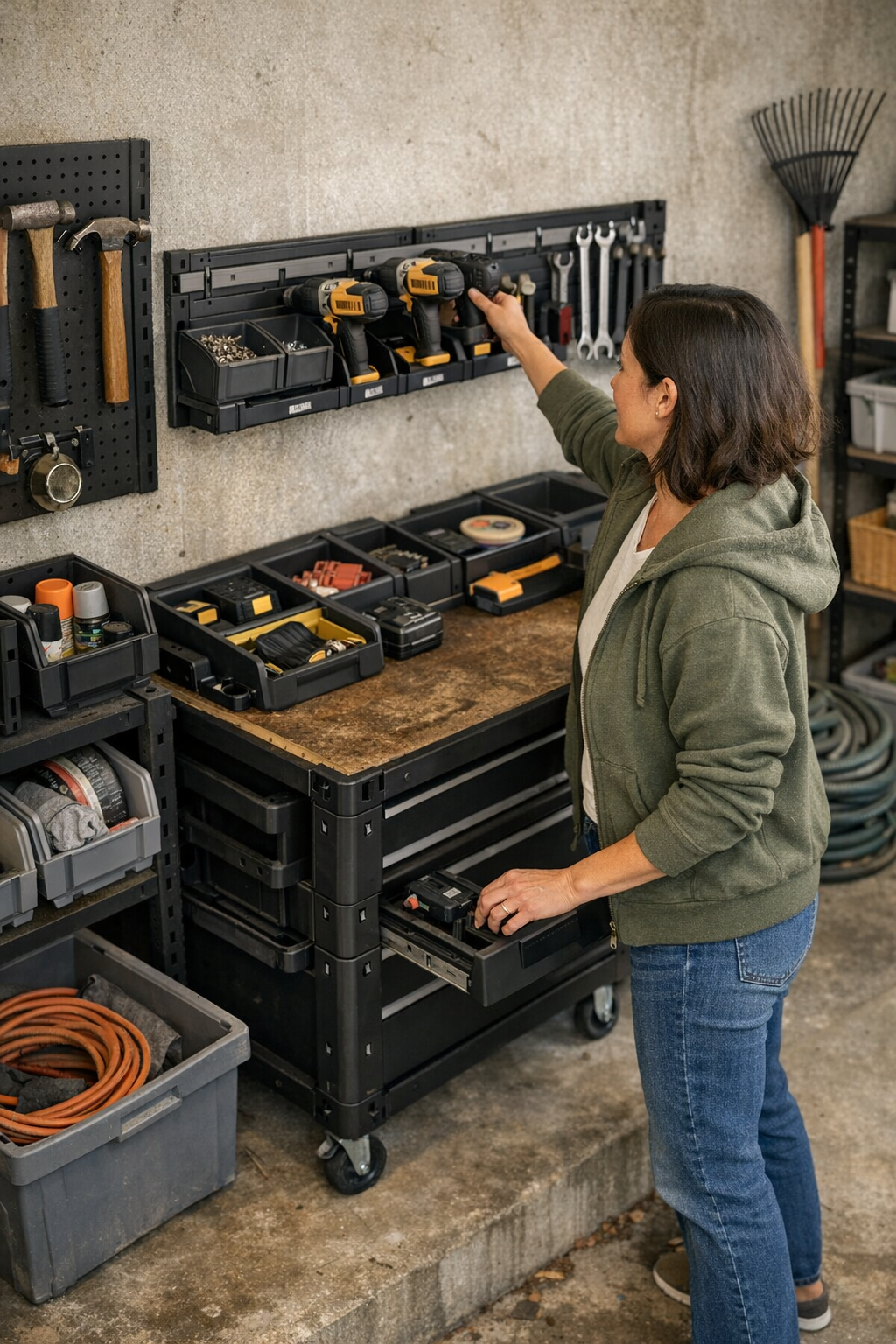
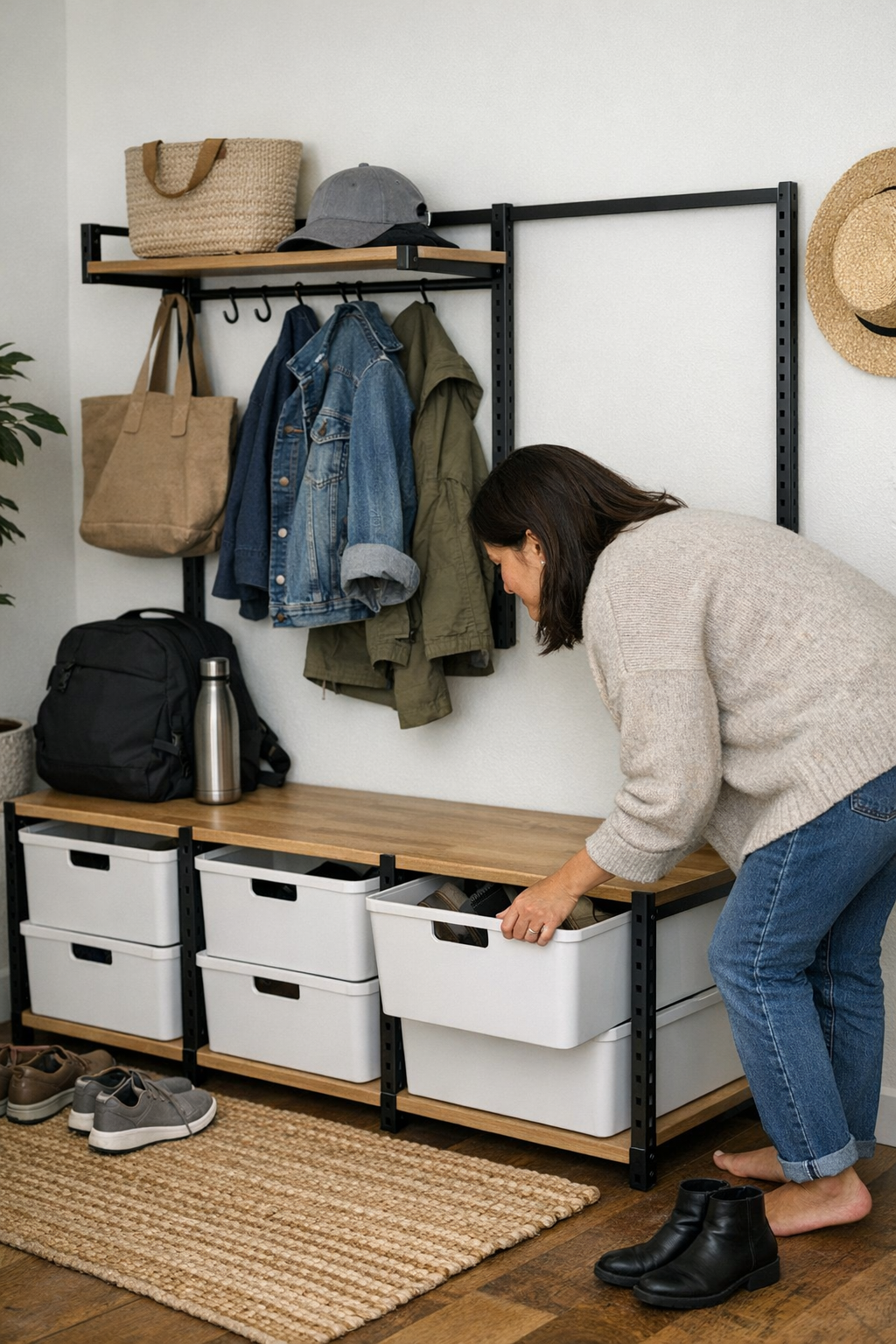
The Quiet Freedom of a Workspace That Breathes
Workspaces that look ultra-ordered often become slow and awkward as tasks shift; intentional space keeps resets fast and workflow adaptable.

It Looked Organized—Until I Tried Using It Every Day
Most desks, right after setup, seem like they’ll make the workday glide. All those neat organizers pressed in, cables clipped at right angles, drawers tucked just so—there’s a certain comfort in everything behaving as it should. I thought it would last. At some point, though, a tiny resistance crept in. Reaching for a notebook meant shifting something else. The cable for my mouse would snag the edge of a cable tray. These interruptions were small, but with every session, they multiplied, lingering long after I thought the mess had been solved.
The Illusion of the Perfect Fit
You notice it after a few mornings: the setup looks great but doesn’t quite move with you. My first big attempt had every inch measured out—drawer units eating up leg space, cable trays locked in place, every tool perched in its “right” spot. It was satisfying, for about a day.
But the friction kept showing up. Swapping devices took extra effort. Even plugging in a guest’s laptop became a shifting dance with cables pulled too tight. Sometimes, just sliding my ergonomic chair felt like negotiating with drawer corners or under-desk storage units.
What kept pressing on me was how rigid order can become its own distraction. The space was organized, but constantly asking for justification—should this go back here, is that the right angle for the monitor arm? At some point, everything started dragging against my routine instead of making it lighter.
Open Margins, Open Movements
Eventually, I took a step back and started leaving small gaps—especially around where my hands move most, or under the monitors. Not a dramatic overhaul, just a gentle clearing. A short section of cable left loose near the edge, a blank space kept open beside the main keyboard.
Over time, it felt like breathing room. There was less need to dodge around obstacles or fight the desk into submission for every simple swap. Resetting after lunch or preparing for a late call meant moving two things instead of four.
That was the part that stayed with me—the way a small margin shifted the entire tempo of long work sessions. The desk was still tidy, but no longer at war with the mess of real life.
The Practical Kindness of Slack
It’s surprisingly practical to leave about a hand’s width of space where things happen most. Anchoring cables out of the way but letting the last stretch run freely made a bigger difference than any cable clip sleeve or cable box. Keeping a desk lamp or monitor riser just slightly moveable, instead of nailed into place with clamps, meant fewer accidental pile-ups when switching gears.
Maybe the lesson is quiet: true order lets you reach and return without roadblocks, making the space feel reliable instead of restrictive. After the initial neatness, what actually matters is that work flows without snagging.
Sometimes it takes living through a few weeks of forced neatness before the value of slack becomes obvious.
If you ever want a glance at this lived-in kind of organization, I found myself returning here now and then: http://www.workbasic.myshopify.com