The Quiet Moments That Shape Our Daily Walks
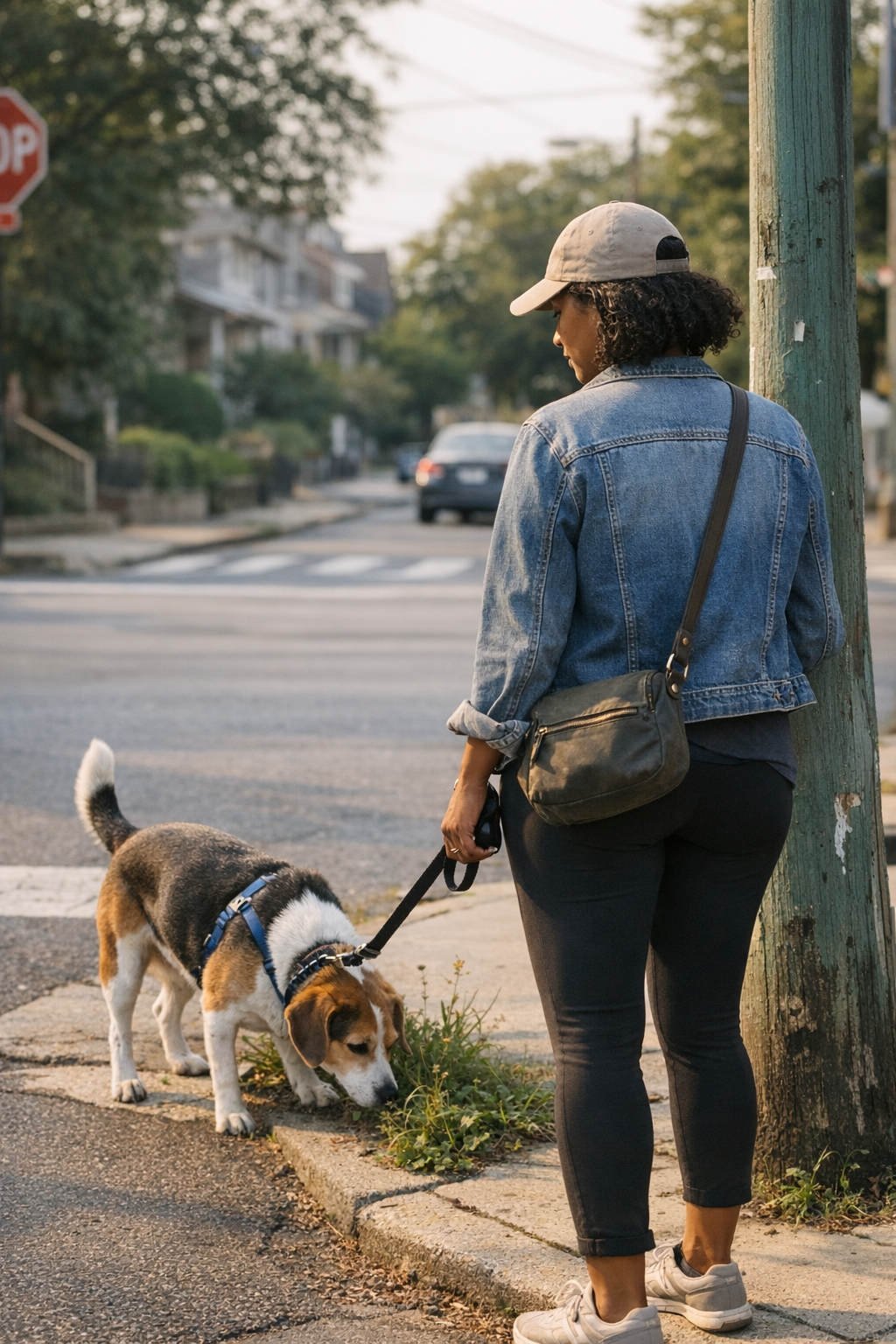
Dog leash pauses at the same corner aren’t trivial; addressing them with a timed stop reduces tension and smooths daily walks.
You notice it after a few mornings—standing by the counter, busy with the kettle, turning to pour kibble into a pair of dog bowls that always look perfectly in place. The setup seems fine at first: clean mat, bowls lined up, everything neatly arranged. But there’s an odd tension in the routine that keeps returning. The reach feels awkward when the dog circles in, you slow down without realizing it, and a little trail of stray kibble ends up beside the cupboard—same spot, every day.
That’s the thing about bowl placement. It works until it doesn’t. Sometimes, in the middle of rushing through the morning, you realize everything technically fits, but nothing quite flows. The bowls haven’t moved, but your path through the kitchen has, shuffled by backpacks, shoes, or a misplaced towel. Even the dog seems to notice—she hesitates a moment before stepping up, waiting for your foot to shift out of her way. You get used to making small adjustments on the fly, thinking maybe the tidy look is working. But after a few weeks, the routine feels less settled. Resetting the bowls hardly seems worth it, so you let it ride.
When Placement Is Just For Show
It’s easy to arrange everything for how it should look—flush against the wall, mat straight, water bowl refilled on autopilot. For a few days, it does its job. Then a pair of boots crowd the hallway or a dog toy spills into the walking space. The neat setup turns out to be less practical than it seemed. Something as minor as where the bowls rest starts slowing the whole routine.
At first, I thought it was just timing, the usual weekday scramble. But then, on a rare calm Saturday, I noticed we both fell into the same small dance: I’d sidestep the dog to reach her bowl, she’d pause until I cleared space, and the entire process took two or three unnecessary beats longer than it should. The spot I picked, which looked orderly from a distance, was—up close—the least efficient point in the flow of our mornings.
It doesn’t feel like a problem at the start. Only when you look back at a particularly clumsy morning do you realize how much one small routine can throw everything off. The difference showed up in subtle ways—a little more kibble kicked out, slightly more water spilled, feeding time stretching awkwardly into what came next.
Routine Isn’t Static (But It Tries To Be)
Dogs—and people too—lean on repeated-use patterns. Placing the bowls one way and sticking with it had always worked before, so why unsettle things just because it’s inconvenient sometimes? But the longer I left everything untouched, the more obvious it became that “tidy” didn’t mean “easy to live with.” You get used to a little friction out of habit.
She always stood far enough to wait, never crowding, but that hesitation felt like a quiet message. Her eating looked a little tense, neither of us quite sure what we were stepping around anymore. There was no meltdown, just a creeping inefficiency—the kind that sticks if you don’t address it.
One morning, something shifted: a spill I couldn’t ignore, a puddle stretching halfway into the open space. That repeated mistake made me reconsider what the “perfect” setup was really serving, and for whom.
The Real Work Is In the Reset
After enough repeat mornings, you accept a little awkwardness or extra cleanup as part of sharing a home with a dog. But I noticed that simply sliding the bowls over—just half a step away from the cupboard, clear from the door—changed how the routine flowed. Mornings got smoother, with fewer hesitations and almost no stray crumbs to clean up.
It wasn’t about looks anymore. Instead, it was about how the setup worked through repeated use: feeding, waiting, moving, and resetting. There’s a small relief when the ritual bends to fit the path you actually take, instead of forcing you to work around its placement. That adjustment was quieter than expected. No fanfare needed, just one simple shift and a little more ease every morning after.
You start to notice these things a few weeks in: subtle signals that functional paths outlast tidy ones. The pattern stays set until living with it tells you otherwise; the best routines are the ones that don’t get in your way.



