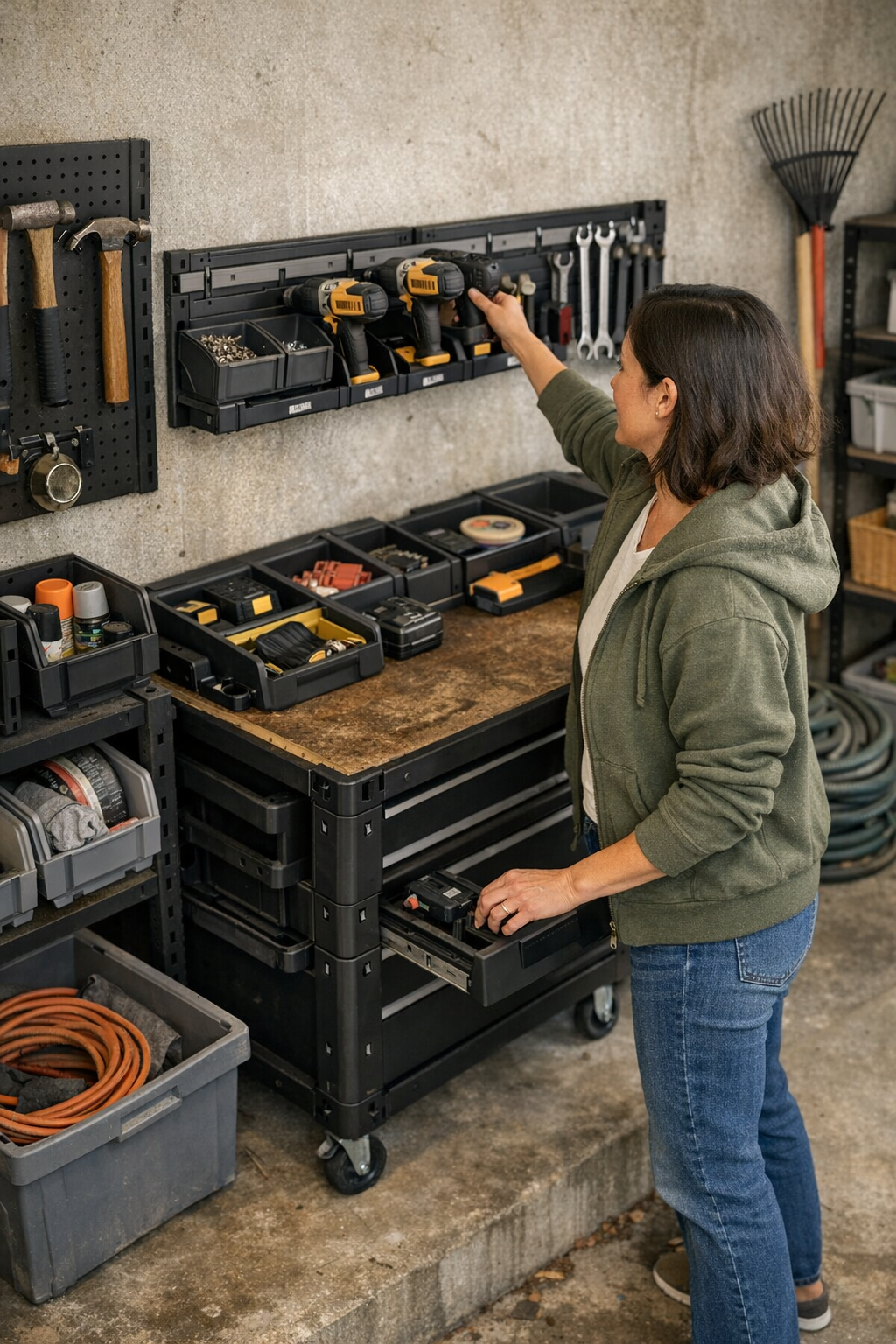
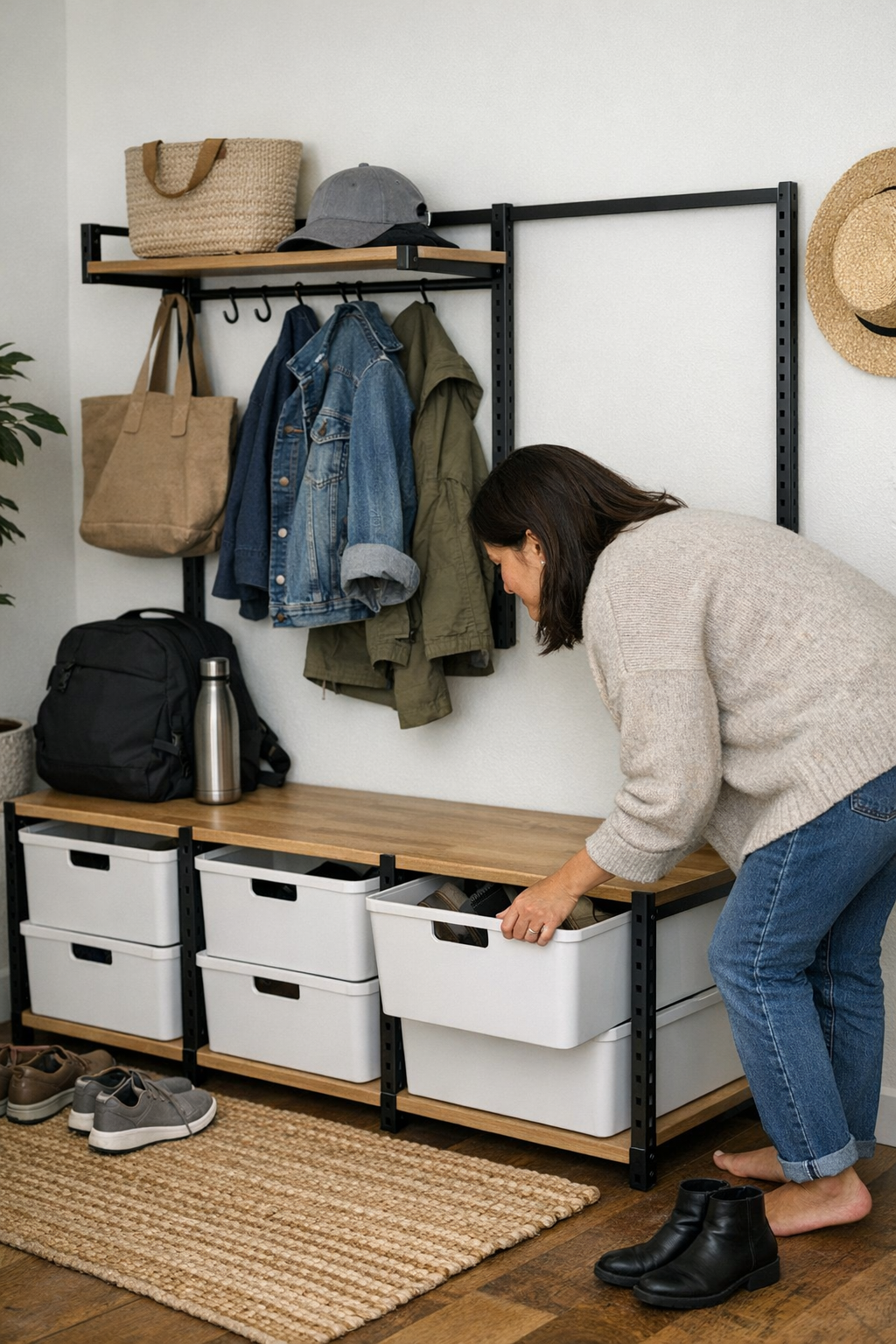
The Quiet Power of a Simple Storage Boundary
Small boundaries like edge rails or dividers prevent clutter, reduce reshuffling, and keep storage zones clear and efficient in daily use.
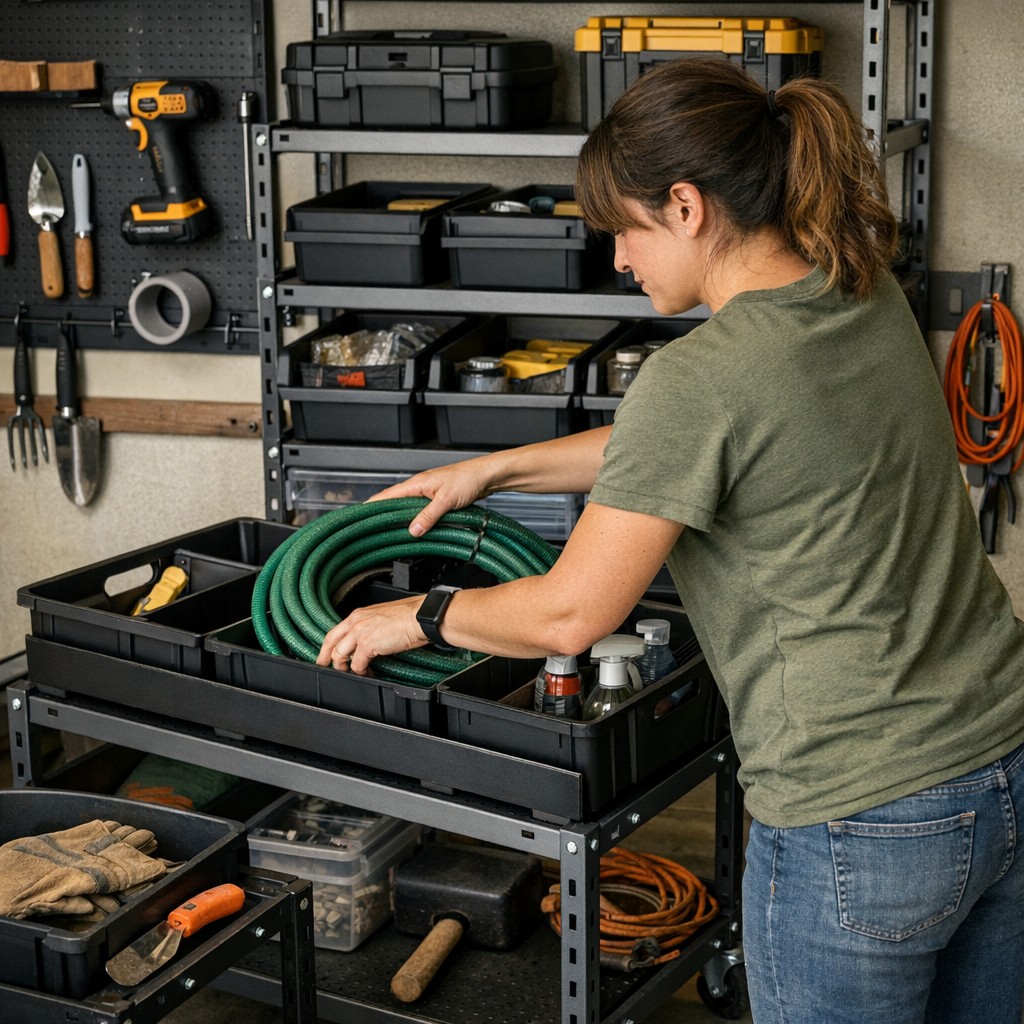
There’s a comfort in believing an organized workspace will stay that way. Sturdy new racks on the wall, streamlined carts, bins all in their place—at first glance, it feels like the mess has finally been solved. For a while, it almost is. But then weeks pass, and the space is actively used. Habits pull things slightly out of line. The order you built starts to blur around the edges, quietly.
It’s not dramatic at first. A stray drill slides across the rack. Gloves mingle with nozzles in a bin. Suddenly, what was tidy now feels less welcoming—and more effort to restore. That simple network of boundaries you skipped—those low lips, slim dividers—turns out to have mattered more than you realized.
Where Order Starts to Drift
You don’t notice it immediately.
After the excitement of a fresh setup fades, you return to the routine: grab a tool, put it back later, often in a hurry. Without lines gently holding each item in place, the system begins to leak. Lightweight tools inch toward aisles, heavy ones crowd out lighter neighbors.
I’ve seen this happen in my own garage. Even a week’s worth of projects, digging through the gardening bin or rushing to stash a wrench near the door, is enough for tidy zones to quietly collapse. What was a clear section for tools merges with sporting gear—until the old tangled chaos returns, almost by default.
The Hidden Work of Boundaries
It’s the smallest things that quietly hold everything together.
A modest lip, barely an inch high, across the front of a shelf. Adjustable dividers inside frequently opened bins. You might not think much of them during setup, but after a few hectic afternoons, their absence is unmistakable.
Add these boundaries, and the difference is immediate. Items stop wandering into walkways. Each space keeps its role, long after initial enthusiasm fades. Cleaning up becomes a smaller, almost subconscious gesture—never a weekend chore looming over you.
You often only realize how much time you’ve been losing to minor resets once these boundaries are gone.
What a Boundary Really Offers
A boundary isn’t just there to separate things. It quietly simplifies routines, letting each item return to its place without fuss. Not too high, not rigid—just enough to mark where zones begin and end.
Without it, a subtle mess grows. Spills on the floor. Gear bunched up in corners. Blocked paths you once passed through freely. Sometimes, a gentle nudge—a low strip, a flexible rail—is all that’s needed to stop the slow unraveling of order.
Minor as they seem, these boundaries make a room easier to use and a workday less cluttered. So much wasted motion saved, so few arguments with out-of-place things.
Sometimes, a small boundary is the difference between feeling truly organized or just managing a mess.
These thoughts came together one afternoon standing in my garage, noticing how that one-inch strip changed everything.