The Quiet Relief of a Well-Organized Pet Travel Setup
A pet travel bag’s true usefulness shows in repeated stops; quick-access pockets for leashes, wipes, and bowls reduce delays and hassle.
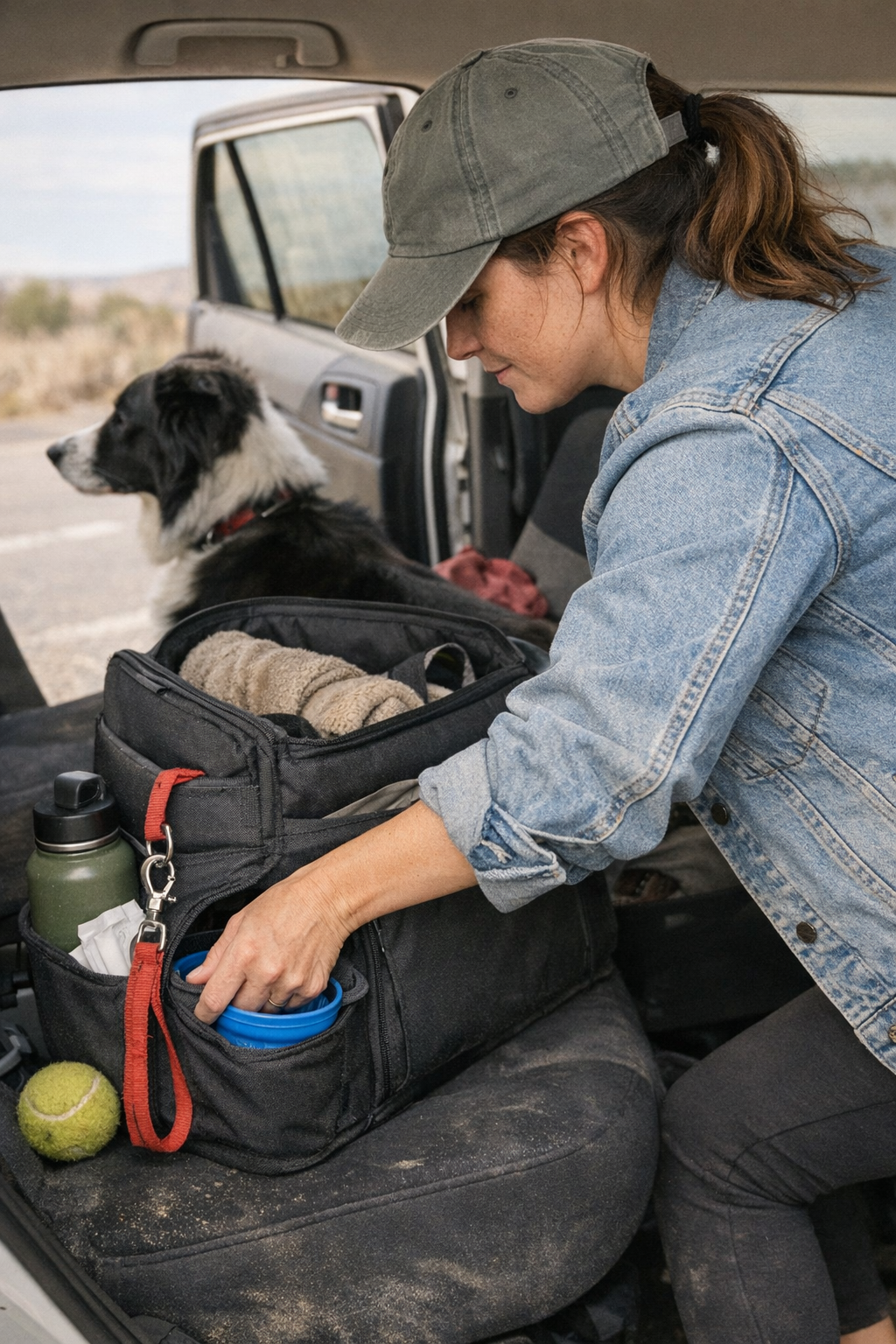
There’s a small relief that only shows up after the third or fourth stop: the feeling when your hands find what you need in seconds, not minutes, even with a restless pet twisting the leash. It took me longer than I expected to notice how quickly a travel setup can slip from “organized” to slightly aggravating just because of where the wipes ended up or how the leash kept hiding under a roll of bedding. The real test creeps in when the rhythm breaks—not at the first stop, but after repeated movement, quick exits, and the slow erosion of tiny frictions. A pet travel bag isn’t about how it looks packed on the table. It’s about what stays in reach when the pace gets real.
The Trouble With Looking “Ready”
It’s almost funny how organized a pet bag can seem—every item zipped tight, spare rolls tucked away, a water bowl nested inside layered pockets. Fresh from home, it looked like everything had its place. But after a few trips, you notice the wipes, leash, and that battered bowl always slowed down by something—padding, another zipped wall, or pieces stacked to save space. A bag that handled departure with perfect lines would melt into awkwardness at the side of the road.
That was the part that kept coming back. The moments you have to grab something fast—muddy paw cleanup, sudden leash snap, water after a sprint—are never the moments you want to dig. If an item needs two hands, or unpacking three others just to get it, even the neatest setup can slow the day down in small, irritating ways.
What Reaches First, Wins
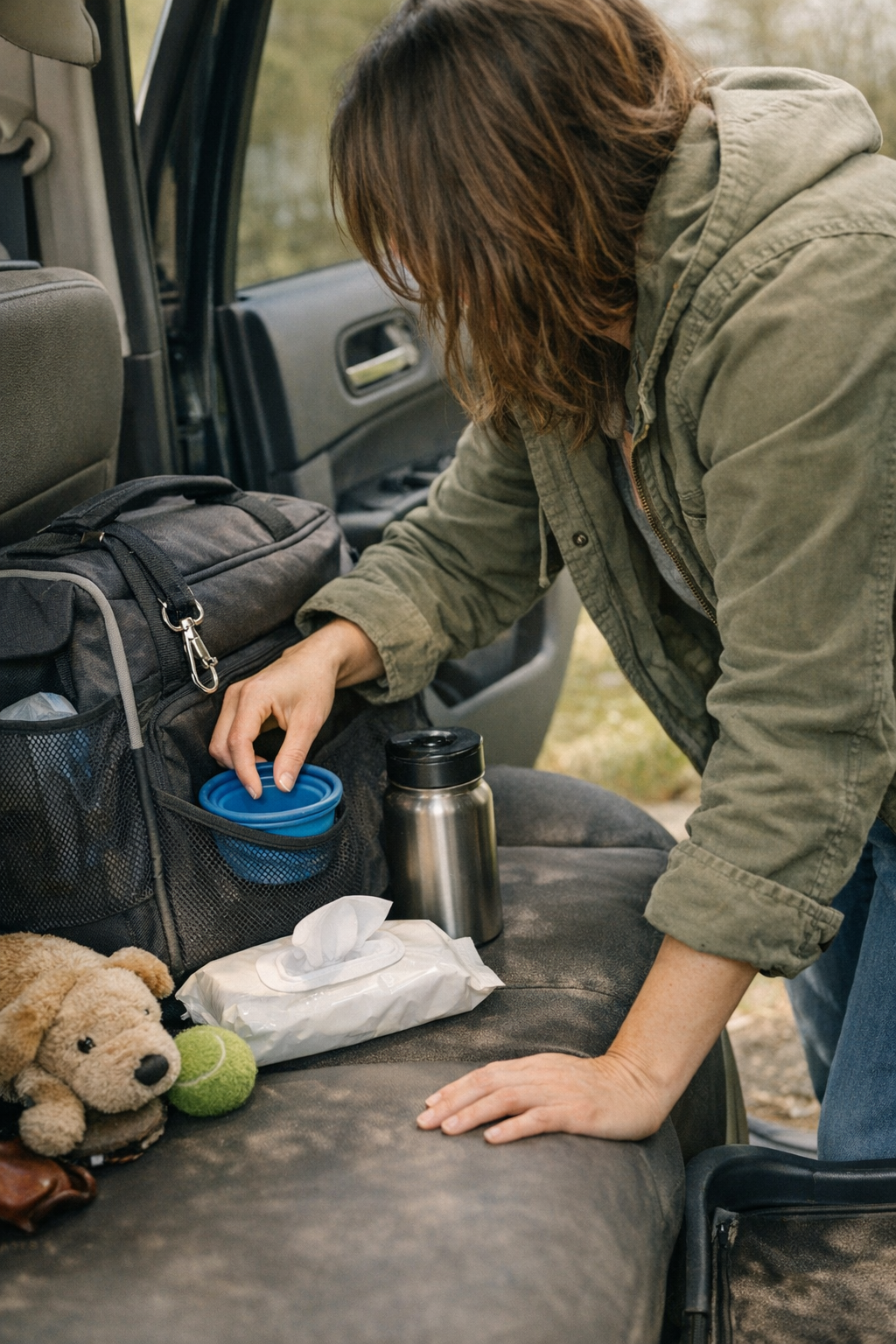
After a while, you start shifting things around. The wipes moved to an outside pocket—just a flap, no zipper. The leash, always clipped to a ring, never buried. With every small switch, the return to movement became less of a tangle. The real difference wasn’t always visible—bags still sprawl open over the seat, items jumble, treats wedge under straps. But the delay at each stop began to fade.
That’s the thing: actual use pokes holes in imagined convenience. You catch yourself reaching mid-movement, not pausing, because you can find the bowl or cleanup bag with one hand while the other keeps your dog in check. Tidy layering, with too many hidden sections, starts to feel like overpacking when it means an armful of items ends up on your lap each stop. The payoff for shifting just a few things to the outside comes in those easy, almost forgettable resets.
A Quiet Return To Motion
On a late afternoon ride, the routine had changed without much ceremony—just a quick lift of the flap, wipes in hand, leash unclipped, transition done. It didn’t need perfection or decluttering, just fewer surprises. The small repeated choice to put certain items within reach, not behind another closure, became a kind of background support, a shape that let movement fill the day rather than get in its way.
There’s still the cleanup pouch you’ll find tucked under the seat later than planned. Some things will always slide out of place or need a shuffle after a bump in the road. But if starting again after every stop feels like one smooth motion, you start to trust the setup a little more. And for a minute, it doesn’t matter how neatly the bag was packed before—it’s the pause you didn’t have to make that lingers.
Sometimes I check if there are other small details worth changing, and I keep coming back to the same simple structure—for anyone else working out their own setup, there’s more to explore quietly here: http://www.pawgotravel.myshopify.com