The Quiet Relief of an Emergency Kit Always in Sight
A visible car emergency kit eliminates delays from hidden storage, ensuring quick access despite clutter or shared use, outweighing minor aesthetic loss.
You start noticing the little hold-ups—the seconds lost in the middle of a quick errand, the shuffle when you’re pressed for time. For me, it was the emergency kit. It looked tidy tucked beneath the seat, almost hidden, which seemed like the best kind of order at first. Then a forgotten grocery bag pinned it out of reach on a busy day, and that scramble stuck with me long after I’d restacked everything.
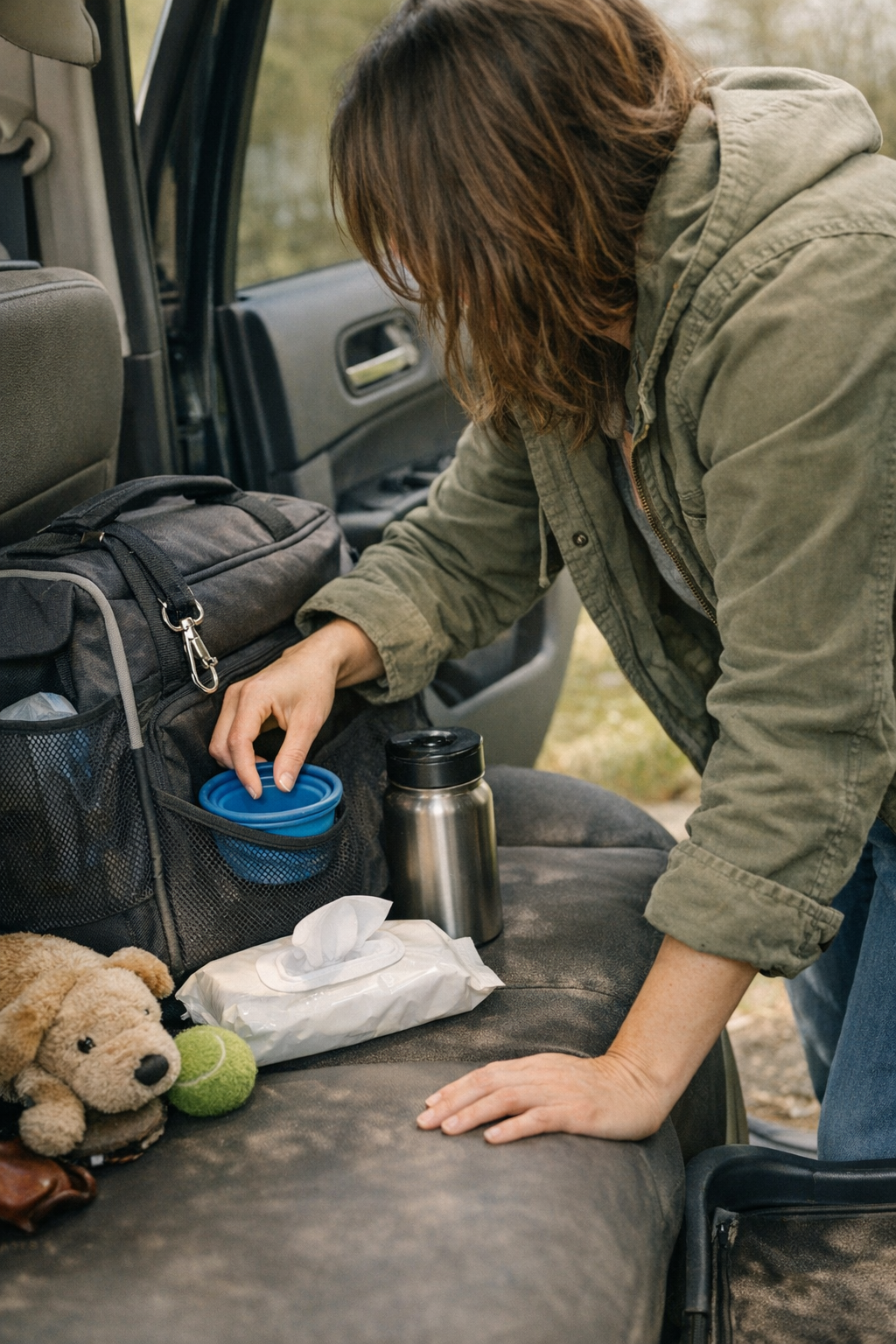
The illusion of smoothness fades the more you use the car for living, not just driving. The spot that seemed logical on day one slowly loses its edge to loose items that wander back after every trip or to shared hands that don’t remember where you stashed things last week. First-aid kits, jumper cables, even dog wipes for muddy paws—all of them slip into limbo once they disappear behind the next round of errands. You start to notice it after a few drives. What looked settled demands rearranging over and over, until hesitation becomes part of your routine.
The Difference That Shows Up When You’re Rushed
What caught me wasn’t a dramatic emergency. It was stumbling with both hands full—library books, a take-out bag, and that question from the back seat: “Where’s the band-aid?” Suddenly, what felt “organized” was slow. The kit had drifted, slipped under a blanket, covered by a jacket tossed after soccer practice. I was wedging myself between seats trying not to swear while everything spilled onto the curb.
It was a small moment, but it echoed later. The reach mattered more than the view. Every time my hand landed in the right place without a scan or a dig, the next trip felt lighter, steadier. That kept coming back. Looks matter less when the car is really being lived in—not just shown off in the driveway.
Living with Things in Sight
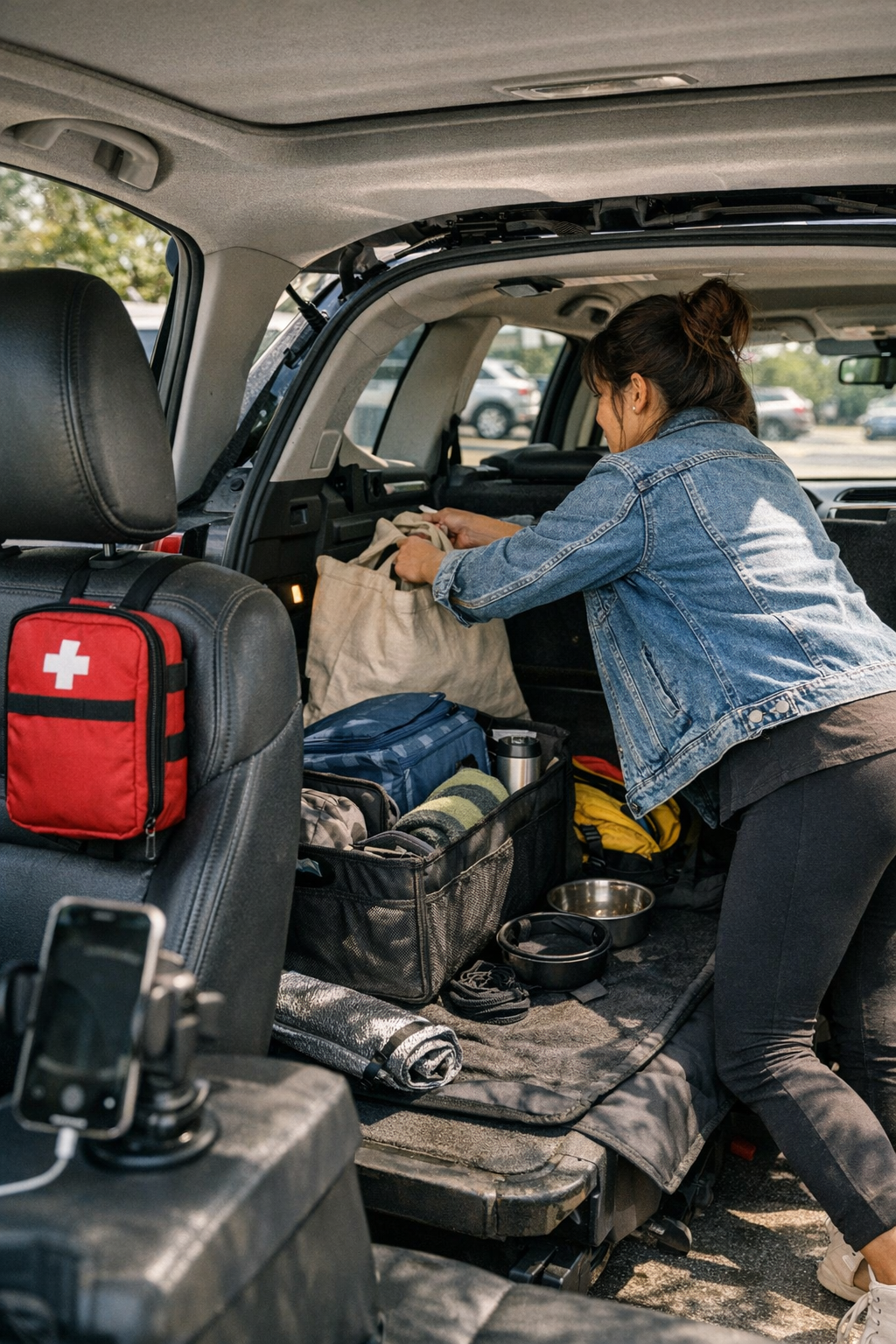
I moved the kit. Nothing elaborate—just nudged it onto the back of the seat, zipper facing out, fixed in reach. Instantly less elegant, a little more “practical.” After a week or two, that tradeoff felt unimportant. I’m not guessing where it is anymore or shifting other stuff just to get to it. It stays the same whether I’m running late or swapping cars with someone else. Organization changes here: neatness isn’t about hiding things but how quickly they answer when you need them.
There’s a quiet relief when a small part of the routine loses its friction. Cleanup is simpler, shareable. I forget about it until I open the door, and there it is—one less thing to track, a little less noise in the background of every day.
It Only Looks Out of Place Until It Isn’t
Over a few weeks, you realize the best setup isn’t buried or hidden. It’s chosen for the moment you need something at arm’s length, not for the picture of a spotless car. The difference—near and obvious instead of tidy and out of mind—makes itself felt when the routine is already crowded.
Some habits come from wanting everything contained, but repeat trips and borrowed hands keep rewriting those choices. I never missed the slight loss of cargo space but did notice a real drop in stress the next time someone else needed the kit.
That shift sticks: practicality living just a little closer to the surface, making the return to the car quietly easier each time.
Sometimes I think about other parts of the setup that could feel the same—one small change that lightens the rest. If you want to see more of how people are shaping these routines, you can wander through DriveWellSupply here. You will receive a blog body draft.