The Quiet Relief of an Open Car Interior
Cars packed with organizers and cables add friction; leaving open key zones speeds entry, exit, and eases daily driving routines.
There’s a certain hesitation that forms after a few routine stops. You step back into your car and find your hand pausing at the armrest, or searching for the charger that always seems tangled, even though everything looks “organized.” The interior layout is familiar—trays aligned, organizers filled, cables tucked along every edge. You know where everything is. But after several days of use, it doesn’t really save time; it just shifts where the friction happens.
The whole plan had sounded right—maximizing every spot, fitting organizers wherever they fit. At first, it looked satisfying, especially in photos: neat rows of pouches and compartment covers, cables running in grooves, seat protectors smoothing edges. That feeling faded by the third errand run. You start noticing it after a few trips: the extra pause to squeeze a loose bag, stepping around a mount now blocking the cupholder, the clumsiness of pulling a charging wire from its tight slot.
The Quiet Return of Clutter
This was the part that kept coming back. Even with every pocket assigned, things drift—coins collect in the same corner, pens slip behind consoles, receipts jam the tray meant for sunglasses.
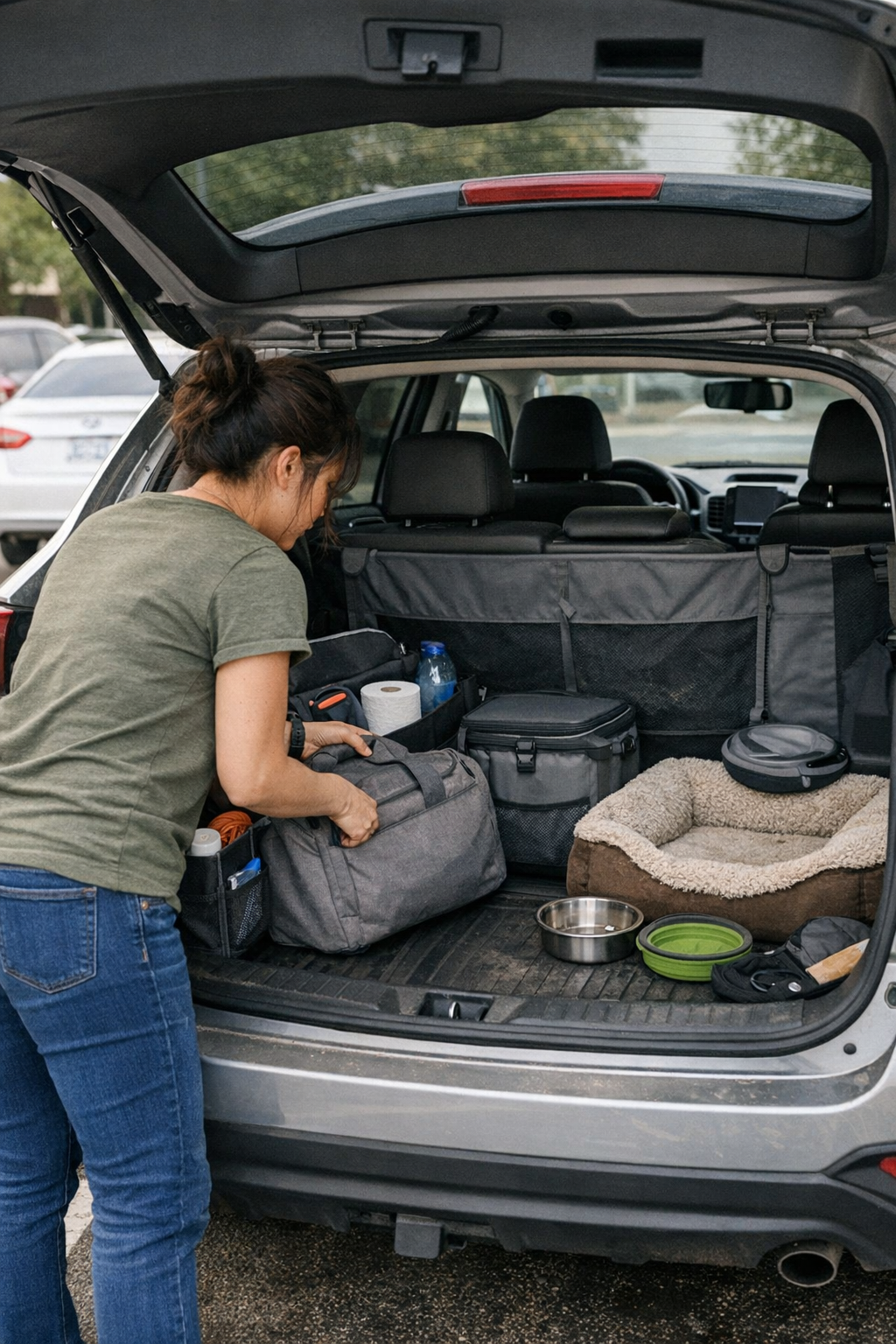
Packing the trunk for groceries, you nudge against the cargo bin that was supposed to streamline things. Instead, the bin compresses bags into awkward shapes or leaves you unloading in a frantic order just to close the hatch. Cleanup never feels truly finished, no matter how sorted the car looks at a glance.
The busiest parts always pick up what the organizers leave behind—things slide forward with the next brake, chargers find new knots, and the simplest actions slow down again.
When Subtraction Works Better
It took a few weeks before something shifted. After another elbow jammed against an extra organizer, I started removing things—a tray here, a pocket there. The surprising part: everything important stayed easier to reach.
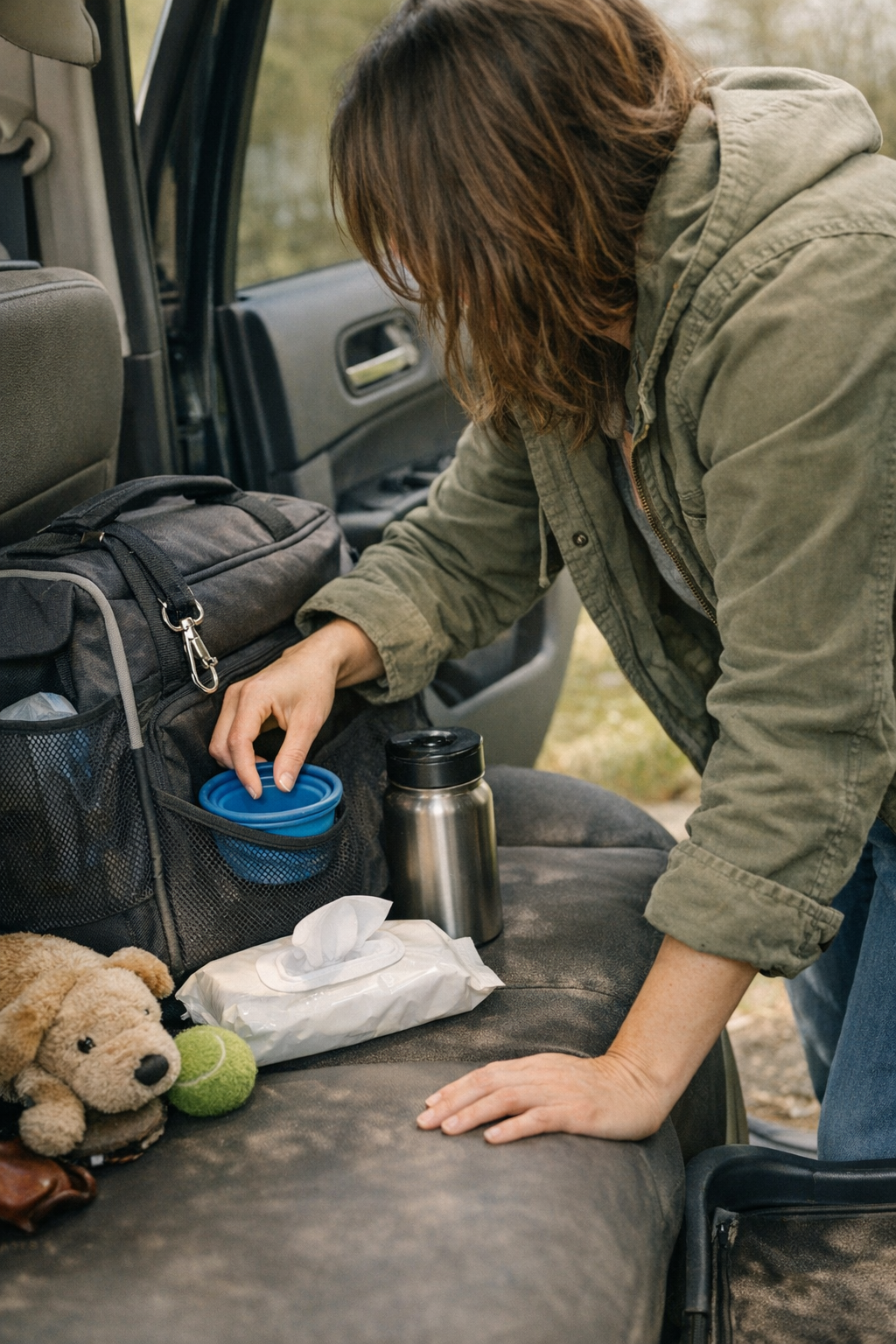
A single clear space beside the driver’s seat made tossing in a bag less of an ordeal. The charger, rerouted out of sight along the seat edge, stopped catching on my pocket every time I left the car. With the cupholder empty, my phone could sit closer, not fighting for space with a set of keys or an insulated mug I never actually use.
It looked less “finished,” but each day felt lighter. Movements came back; no extra thought was needed.
Living with Less, Not Without
That’s when it started making sense—maybe a car isn’t just a shell to decorate, but a tool where empty space matters as much as packed compartments. Especially near seat edges, armrests, and anywhere your hands land quickly.
You only notice what’s missing—ease, quick access, the relief of nothing underfoot—once those extras are gone. Commutes feel less like a puzzle, more like a routine that unfolds naturally. Sometimes the best thing you can add is an open space right where you tend to block yourself.
If you want to see where these realizations started for me, there’s more here: http://www.drivewellsupply.myshopify.com