The Quiet Relief of Knowing When Wires Are Safe
A non-contact voltage tester removes guesswork in complex wiring areas, ensuring safer, more confident lighting work when always at hand.
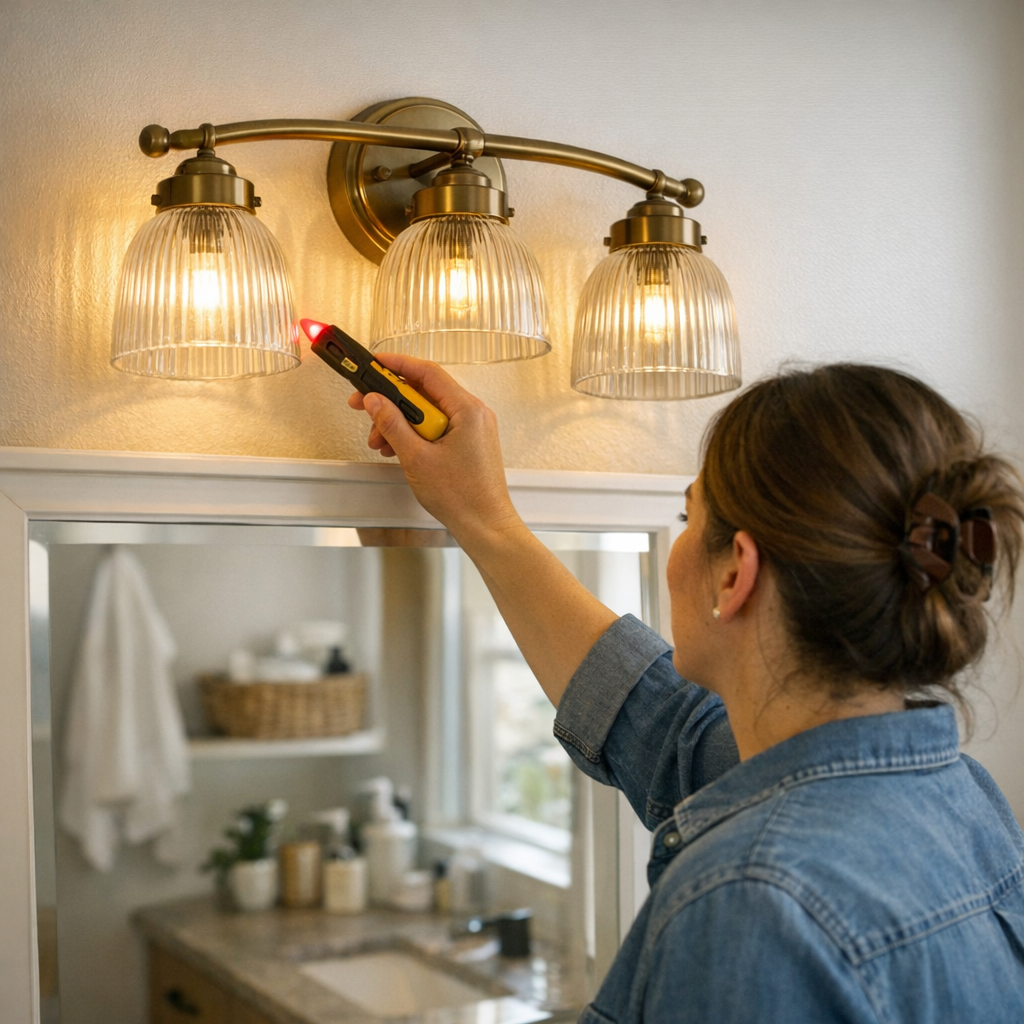
There’s a small, almost unreasonable amount of trust you place in a ceiling light or wall fixture when you move through your home after dark. I used to think that flicking a switch was enough—that once the light was off, the room became a blank, safe space, shadowy corners and all. It never really registered, the uncertainty in my movement, until I found myself hesitating: hand reaching for wires behind a bathroom vanity or up on a stepladder in a laundry room where the light spread always seemed uneven. The difference between feeling steady and second-guessing every touch is subtle, but once you notice it, it’s everywhere. More so in places where light should make things easier, not more complicated.
The Edge Between Routine and Hesitation
The uncertainty didn’t show up in the living room, where flush mount ceiling lights, semi-flush mounts, and wall sconces are straightforward and you know the rhythm of every switch. But in transitional spots—stairways with low ceilings, narrow hallways, the odd corner near a fuse box—hesitation followed.
Bright enough to see but never quite confident, I’d double-check which breaker connected to which fixture, try to follow the snarl of wires over a bathroom mirror or around the laundry washer, and realize how easily a mistake could slip in. Even with modern linear or panel ceiling lights and sleek under-cabinet lighting, the shine off metal or tile could suggest everything was fine—when it wasn’t. You don’t notice this immediately.
But you feel it.
When Appearance Fails, and Routine Becomes Safety
Swapping out a bathroom-rated damp fixture or lining up a new stairway sconce always made this clear—one wrong assumption around a double-switched hallway, and suddenly the quiet confidence in my tools disappeared. A switch in the “off” position meant less and less when the wiring logic behind it was barely holding together.
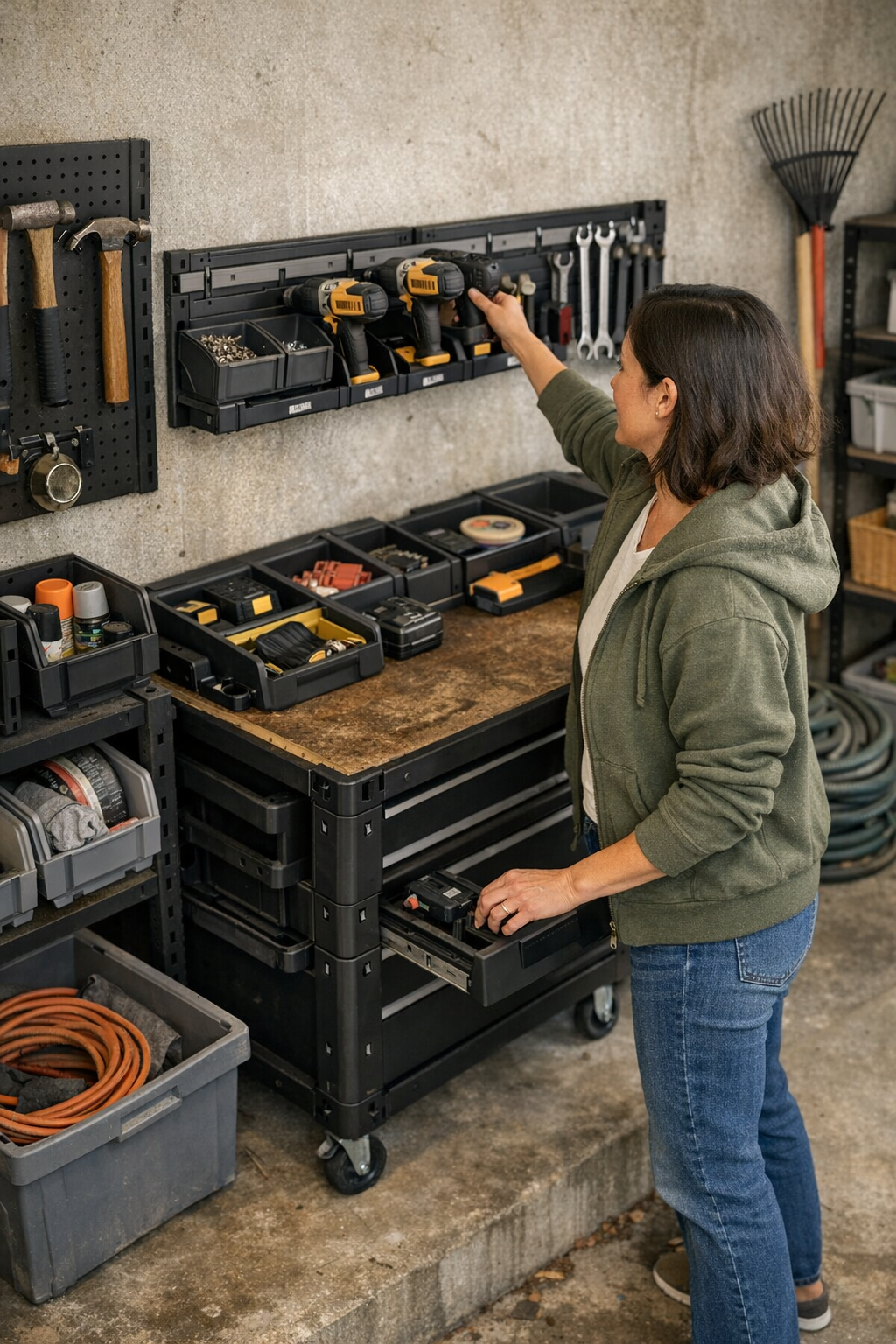
I started keeping a non-contact voltage tester right at hand, not buried in a drawer or lost with spare bulbs, but clipped where I’d reach for a screwdriver. Making it part of the same routine as grabbing a tape measure—nothing overthought, nothing heroic, just always there. That was the part I kept coming back to. How much calmer the process became when confirming a wire’s status was instant, muscle memory, not a guessing game or a long string of doubts.
The Practical Shift That Quieted Everything Down
Certain rituals take root only when they fit naturally into the flow—checking with a tester, for me, found its place after too many times nervously peering into junction boxes or pausing in a dark stair alcove with uneven fixture placement. The tester never felt like a workaround or extra step, just something that kept the rhythm of the work intact.
A simple thing, but steadying. I noticed the rooms didn’t get brighter, exactly, but something about the work began to feel less uncertain. The guesswork receded into the background. Now, every time the light catches oddly on a mirrored surface, or I find myself back on that stepladder in the laundry corner with shadowed edges, I reach for the tester almost by habit. The subtle anxiety is gone, replaced with a quiet assurance that the job will go as expected. Sometimes, it doesn’t take much.
I found it helpful to read more here: www.lighthelper.myshopify.com