The Quiet Relief of Space in Everyday Storage
Underfilled bins minimize daily friction, ease item returns, and reduce clutter by maintaining a hand-width of empty space for easier resets.
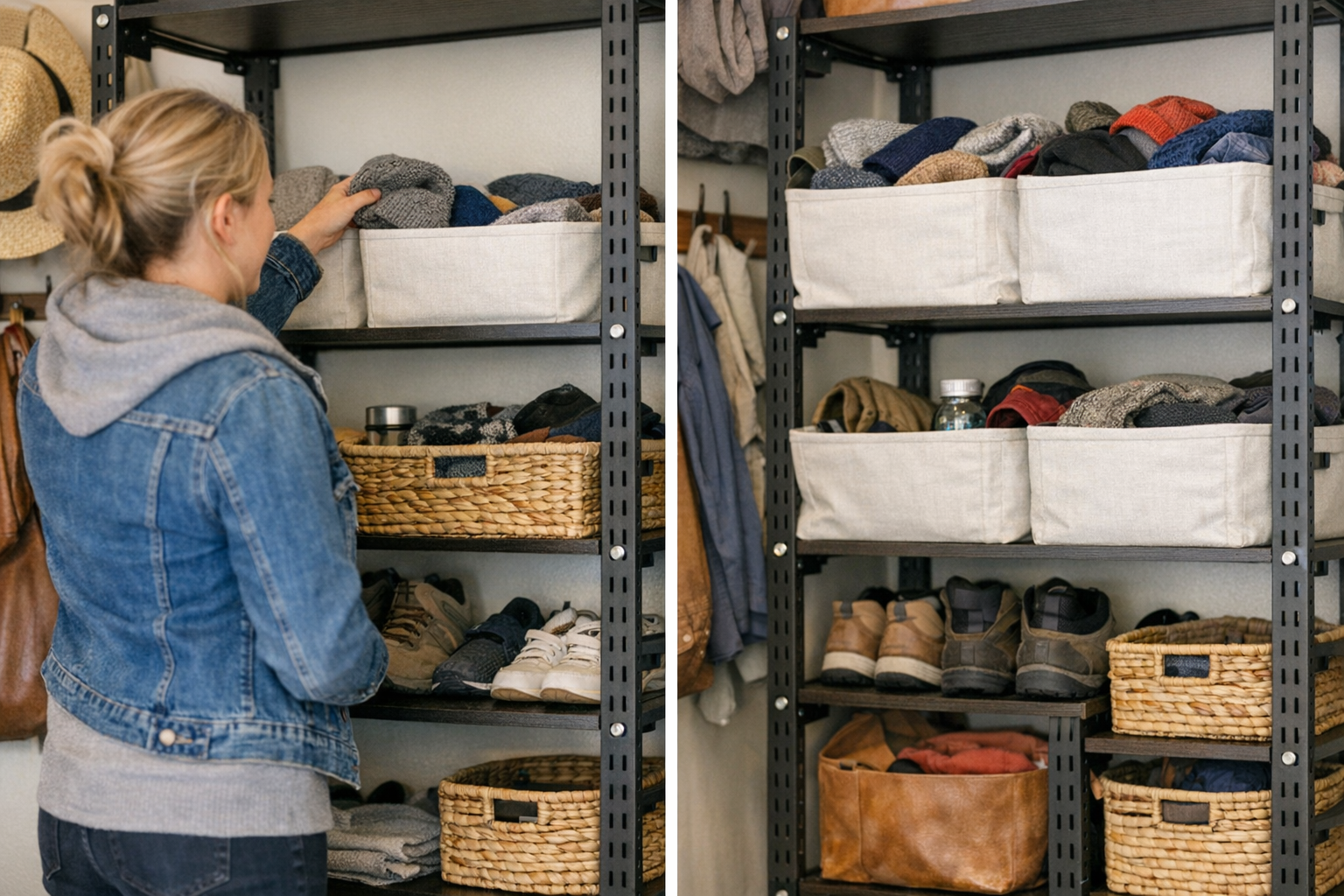
It’s funny how systems we set up to make life easier can quietly turn on us. At first, everything looks perfectly arranged—the bins on the shelf fitting snuggly, each one seemingly maximizing every inch. There’s a small sense of pride when the closet looks almost staged, and you move through your day without a second thought.
You don’t notice the strain at first. But over time, something shifts. A packed bin, the stuff you can’t get back in—suddenly, keeping order feels harder than before.
The Hidden Friction of Fullness
It’s only when you try to return an item to a bin already filled to the brim that you notice resistance. Sometimes it’s a simple tug or an awkward shuffle. Maybe it’s something subtler: that moment you see no space and hesitate. The organization that once felt so efficient begins to fray.
You don’t notice it immediately, but you feel it.
Even a tiny bit of struggle—that extra second to wiggle a lid shut, or the decision to toss a hat aside instead of jamming it in—starts a quiet unraveling. And it doesn’t take long before little stacks or piles show up on benches and hooks. The perfect system quietly stops working.
Space for Return Is Space for Calm
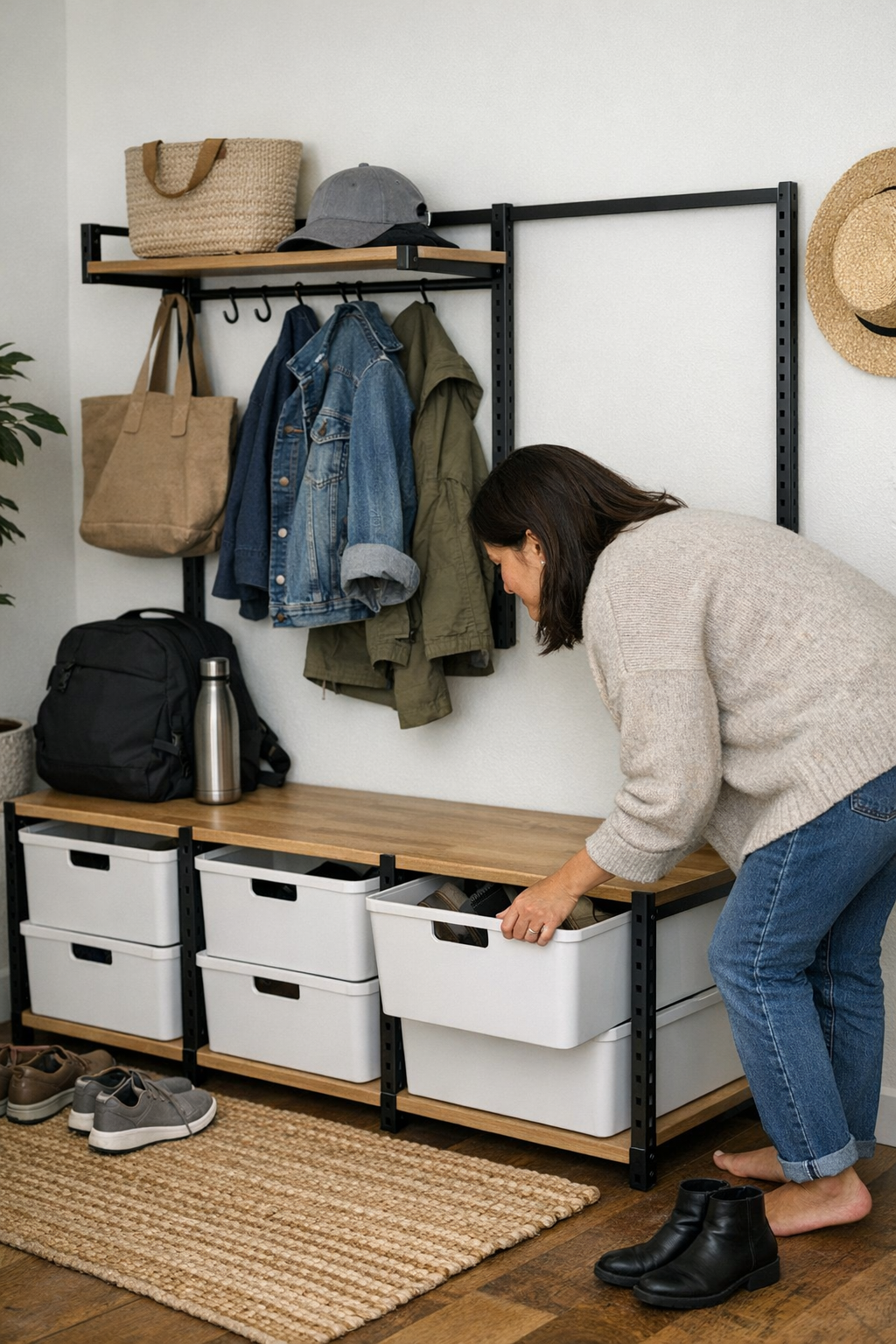
I’ve seen it in the mudroom: a bin so tightly packed with gloves and scarves that, one rushed afternoon, nobody bothered to put anything back inside. By Thursday, the bench held more clutter than the bin itself.
When there’s visible space—a simple hand-width gap at the top—something changes. Items can come and go with almost no thought or fuss. Things drop in and lift out smoothly. The ritual of reset becomes easier, almost effortless.
It’s a small shift, but it really is noticeable. The clutter stays contained, and the storage feels inviting instead of daunting. There’s relief in the room.
When Less Really Is More
Counterintuitive as it sounds, leaving a bit of emptiness is what keeps the order intact. Not because it looks better (though it does), but because it feels better in daily life.
If there’s space, you don’t pause to wonder where things belong. You notice time saved—those seconds add up through the week. And a routine that once broke down now quietly holds together, even on the busiest days.
It’s a gentle discovery: sometimes, a little room left unused is what makes a storage system last.
These thoughts came together while restoring order to a much-used closet.