The Quiet Shift That Changes How Light Feels at Home
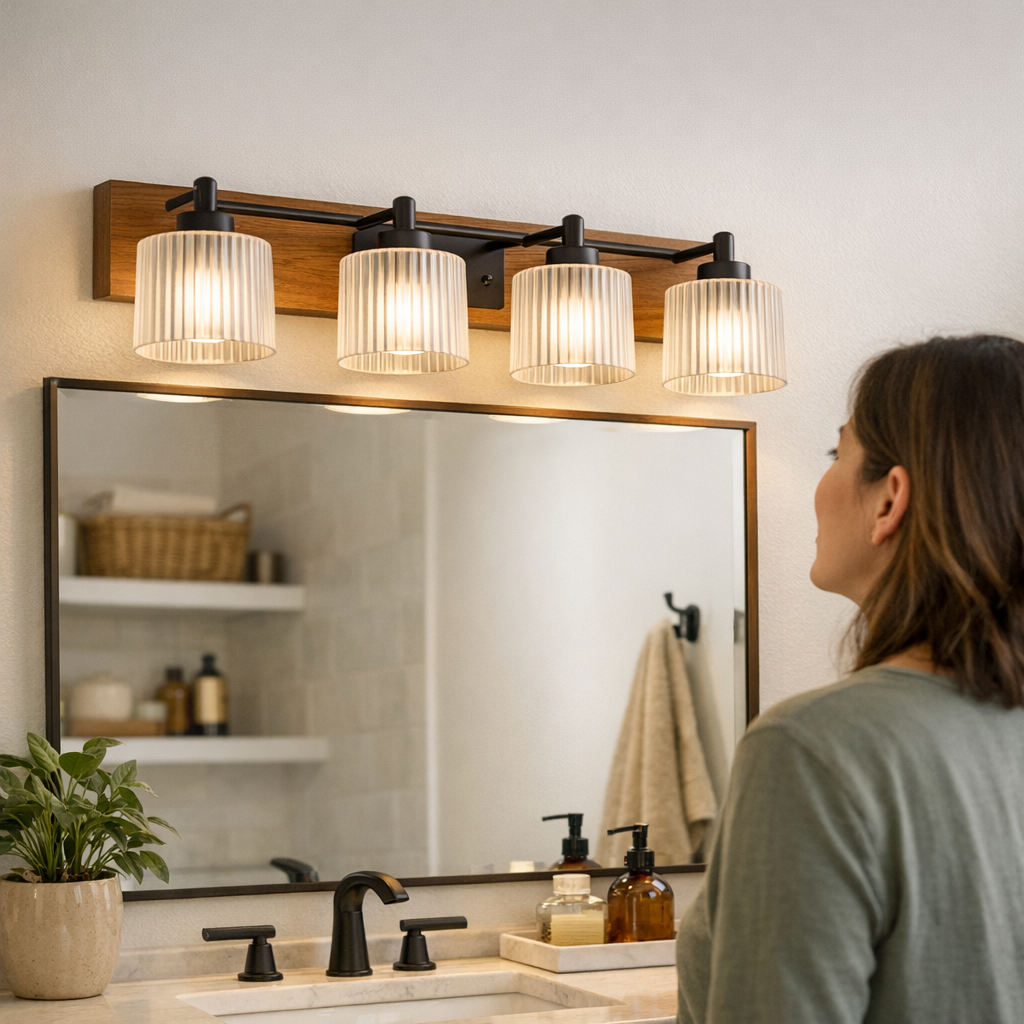
Lighting fixtures tightened in a cross pattern prevent misalignment, reducing shadows and glare for more reliable, comfortable illumination daily.
It’s strange how a room can brighten up and still leave you uneasy. I first noticed it climbing the stairs at night, when a supposedly level flush-mount ceiling fixture cast a gentle but stubborn shadow across the tread. That shadow wasn’t there in the store, or when I first flicked the switch and stepped back to admire all the newness. But the feeling crept in over time — corners seemed a shade darker, mirrors a bit uneven, and certain steps called for just a little more care than expected. Something about the light didn’t add up, quiet as it was.
You don’t notice it immediately.
Where the Edges Miss
Living with hallway sconces, bathroom vanity lights, and flush- or semi-flush ceiling lights, I expected complexity from wiring or fixture durability. Instead, it was the older fixtures — installed in a hurry, screws tightened one after another — that taught me what uneven light does: it collects along baseboards, stretches shadows over laundry counters, and finds every spot where clear sightlines matter.
There’s usually a pattern. Glare hugging one side of a mirror, a dark band beneath cabinets, or a work surface that never quite feels fully illuminated. After a few weeks, I learned these weren’t quirks of old plaster or low-watt bulbs.
But you feel it.
The Quiet Reason Behind It
Most days, lights are more functional than ornamental. When a fixture tilts just so — almost imperceptibly from uneven pressure — the lens leans, shadows shift, and glare appears where it never should. Over time, I realized this happened each time I tightened every fastener in a clockwise run, never pausing to let the mount settle evenly.
What changed everything wasn’t new hardware or brighter bulbs, but simply tightening in a slower cross pattern: going gently across, not side to side, letting the whole fixture relax into place. That was the part I kept coming back to. With this, shadows faded, the light spread more evenly, and climbing stairs at night became simpler.
When Light Starts to Belong
This little change didn’t remake the rooms, but it made daily life work better — the difference between hesitating on the stairs, squinting at the sink, or reaching under a cabinet unsure of what’s hidden in the dim. The lights still looked the same, but their comfort grew on me. Spaces became easier — more honest, somehow — once glare and shadows stopped competing for attention and just quietly did their job.
Sometimes comfort slips in when you’re not looking for it. And this time, it stayed.
If you ever want to wander deeper into that world, this is where I found more to think about: http://www.lighthelper.myshopify.com