The Quiet Strain Behind Flickering Hallway Lights
Leaving slack in lighting wires reduces pinched insulation risk, preventing flickering and ensuring reliable light after weeks of use in high-traffic areas.
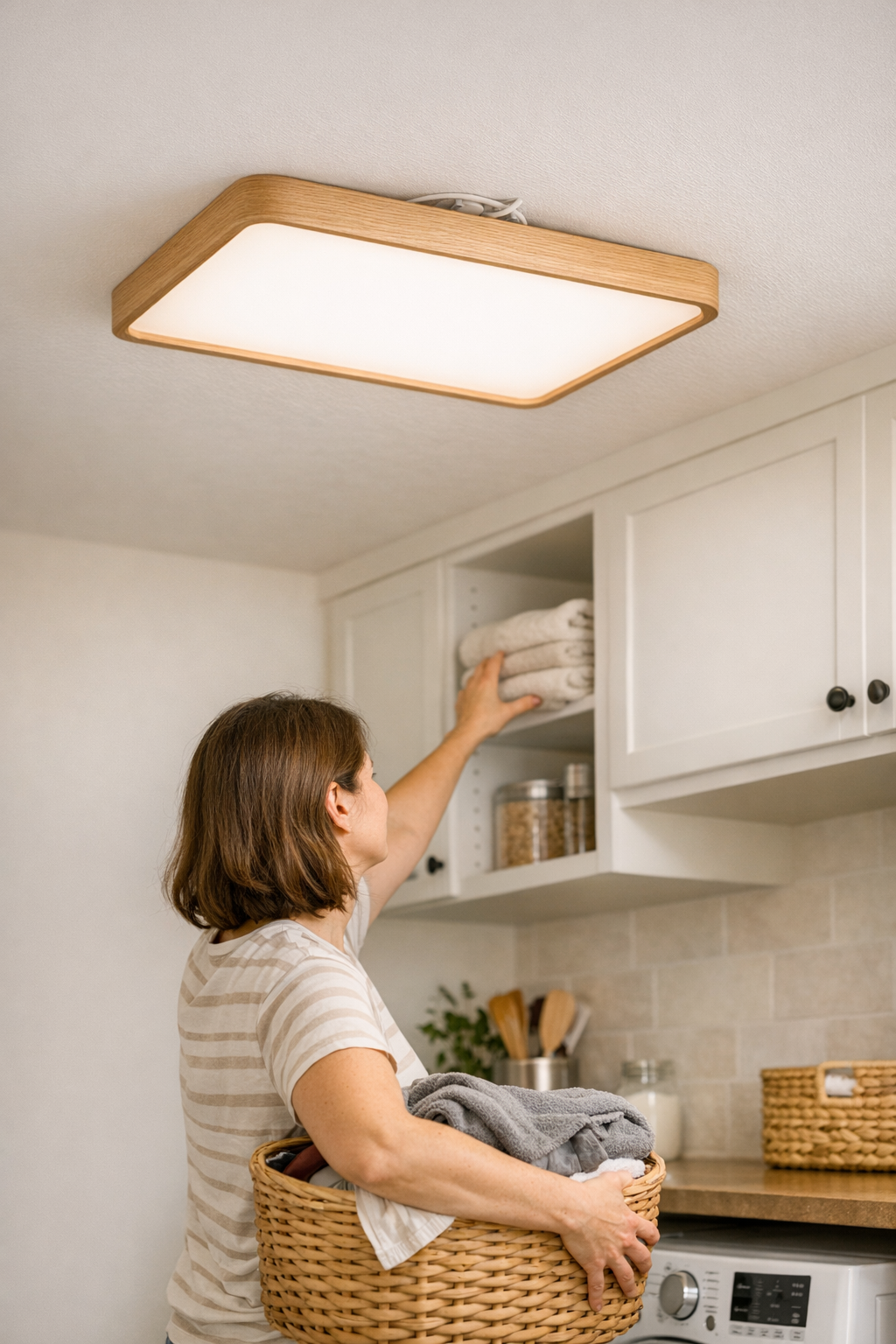
There’s a comfort to a hallway glowing just right—lights that keep your stairway turns clear, your laundry corner well lit, and your bathroom mirror balanced for those half-awake moments. It’s the kind of steady illumination you don’t notice until it starts to fade.
My daily routine at home—carrying laundry up and down narrow stairs, pausing by the mirror in dim light, moving through hallways—never made me think twice about how the lighting held up. At first, every fixture seemed solid: flush mount lights on stair landings, semi-flush mounts near the laundry machine, wall sconces carefully placed beside bathroom mirrors. The shadows were controlled, glare was minimal, and every switch flip reliably delivered light.
But the difference between lighting that simply functions and lighting that quietly fails often unfolds slowly. It’s not a sudden outage or a popped fuse. It’s a faint flicker at the edge of vision, a subtle hesitation when you turn on the switch, a momentary dimming where steady brightness should reign.
Wiring problems, I realized, like to hide. When the laundry room light started to hesitate—sometimes dimmer, sometimes turning off briefly—it felt like a minor glitch. The hallway sconce above the busiest stretch flickered just enough to make me glance up more often while carrying groceries or dragging hampers. What once felt solid now seemed uncertain.
Those small irregularities weren’t random. They appeared in the most trafficked spots—high-use stairway lighting, work area lighting near utility sinks, main corridor fixtures. Shadows deepened in corners, light spread became uneven, and task lighting over counters or laundry folds lost clarity. I caught myself plugging in an extra lamp where a fixed fixture once sufficed.
Examining one troublesome fixture, I found the wiring pulled taut from its junction box—straightened out with no slack to absorb building movement. While neat and tidy, that precision left wires vulnerable to the natural shifts of the house. In narrow corridors and low ceilings, where slight flexing is common, these tight runs meant repeated strain on connections.
To test a simple fix, I left a gentle loop of extra wire behind the next fixture—just enough slack to allow the wire to flex with the house’s small shifts, bumps to walls, or seasonal temperature changes causing expansion and contraction. Over the following weeks, the temperamental laundry room light grew steadier. The hallway sconce no longer flickered. The task light over the laundry table regained reliable brightness without hesitation.
None of these changes were dramatic. There was no instant miracle, but a gradual return to dependable illumination. The trick was understanding that the resilience of indoor lighting—whether flush mount ceiling lights, semi-flush fixtures, wall sconces, or bathroom-rated vanity lights—depends on anticipating building movement. Fixtures in high-use locations benefit from wiring installed with a little breathing room.
Now, as I look around at every older fixture—the hardwired wall lights in the corridor, the under-cabinet lighting along kitchen runs, the stairway lights balancing visibility on turns—I wonder who originally allowed for that subtle slack. It’s not about aesthetics but about long-term function: controlling glare, preventing dark edges, maintaining even light spread, and ensuring task surfaces stay clearly lit through repeated use.
Reliable lighting isn’t just about brightness or style. It’s about resilience—the way a well-planned installation quietly maintains good visibility week after week, adapting to the house’s natural settling and everyday movement.
Sometimes, these thoughts come back when the hallway glow arrives just as you need it—steady, clear, and present. There’s a little more on the subject, softly shared here: http://www.lighthelper.myshopify.com



