The Quiet Strain of Flickering Light in Everyday Spaces
Lighting fixtures with weak glass support cause glare and shadow issues; solid anchoring ensures steady, clear, and reliable light in daily use.
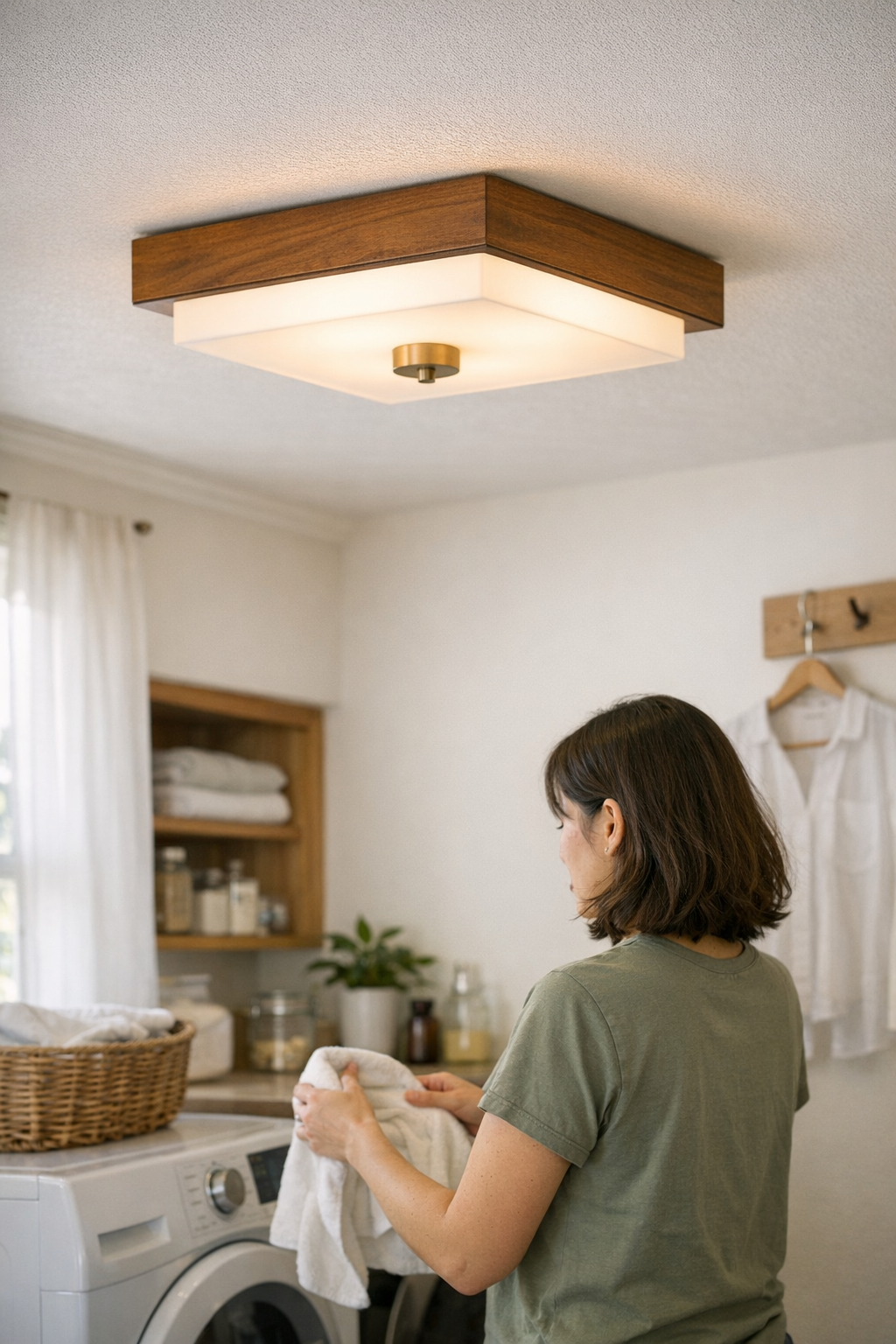
There’s something quietly revealing about the ways we move through our homes at strange hours, tracing familiar paths in half-light. I never thought much about what held the glass of my ceiling lights in place. Yet, over days and weeks, a pattern emerges. A glare steals the edge of the bathroom mirror. A gentle thud through the hallway shakes loose a faint rattle overhead. It might just be a flush mount in a laundry room or a wall sconce by the stairs, but the flaws collect. Not always dramatic—sometimes just enough to unsettle the background.
I used to think good lighting was about brightness, about seeing clearly in corners and corridors, about a switch flipping on and the room answering. But when a fixture’s support gives way to small movements, comfort shifts. You don’t notice it immediately. But you feel it.
What Holds, What Moves
A hallway sconce, installed carefully, still began to buzz softly on the wall every time a door snapped shut. The light above the washer fogged up after every load, clouds forming just at the rim. I’m not sure I even noticed at first—these are domestic irritations that don’t demand attention but slowly borrow it over repeated use.
That was the part I kept coming back to. Even a subtle angle, a bit of glass not fully anchored, changes the way shadows fall on the steps. Makes you hesitate. It’s not so much the fixture’s appearance, but what it can tolerate—humidity, vibration, the small impacts of daily routines. Structure matters in ways most installation instructions never mention.
Seeing the Edges
A stairway that falls half into shadow at night becomes a quiet hazard. In the laundry room, the once-bright ceiling light leaves the basket’s edge dim, lint looking nearly invisible. The issue wasn’t the bulb or wattage, but how the glass pressed—sometimes too lightly—against the fixture. Movement seeped in through small seams. Halos formed, gradually obscuring details.
Thin, loosely supported glass starts well and falters fast. In contrast, the lights that stayed steady—the flush mount with its thick gasket, the sconce with a true anchor—kept the room’s lines sharp, gentle, comfortable. Less adjustment, more ease.
When Light Stops Being Work
Changing the fixture felt strangely restorative. The hallway sconce, once a faint source of irritation, became something I stopped thinking about—a sign of how well it now did the real work. No more shifting glare or moving shadows. In the laundry room, light spread farther, stayed clear, corners stayed visible even after repeated use.
This isn’t about perfection. Sometimes it’s enough to swap one thing and notice how you stop noticing it altogether. That’s the shift—when lighting becomes part of a routine you can trust, and the structure quietly supports everything else.
There’s a bit more about these kinds of fixtures where I’ve been looking: http://www.lighthelper.myshopify.com