The Quiet Struggle Behind Every Pet Road Trip Setup
A pet travel setup’s true test comes with repeated use; a separate rigid pocket for wipes and treats reduces stress and improves travel ease.
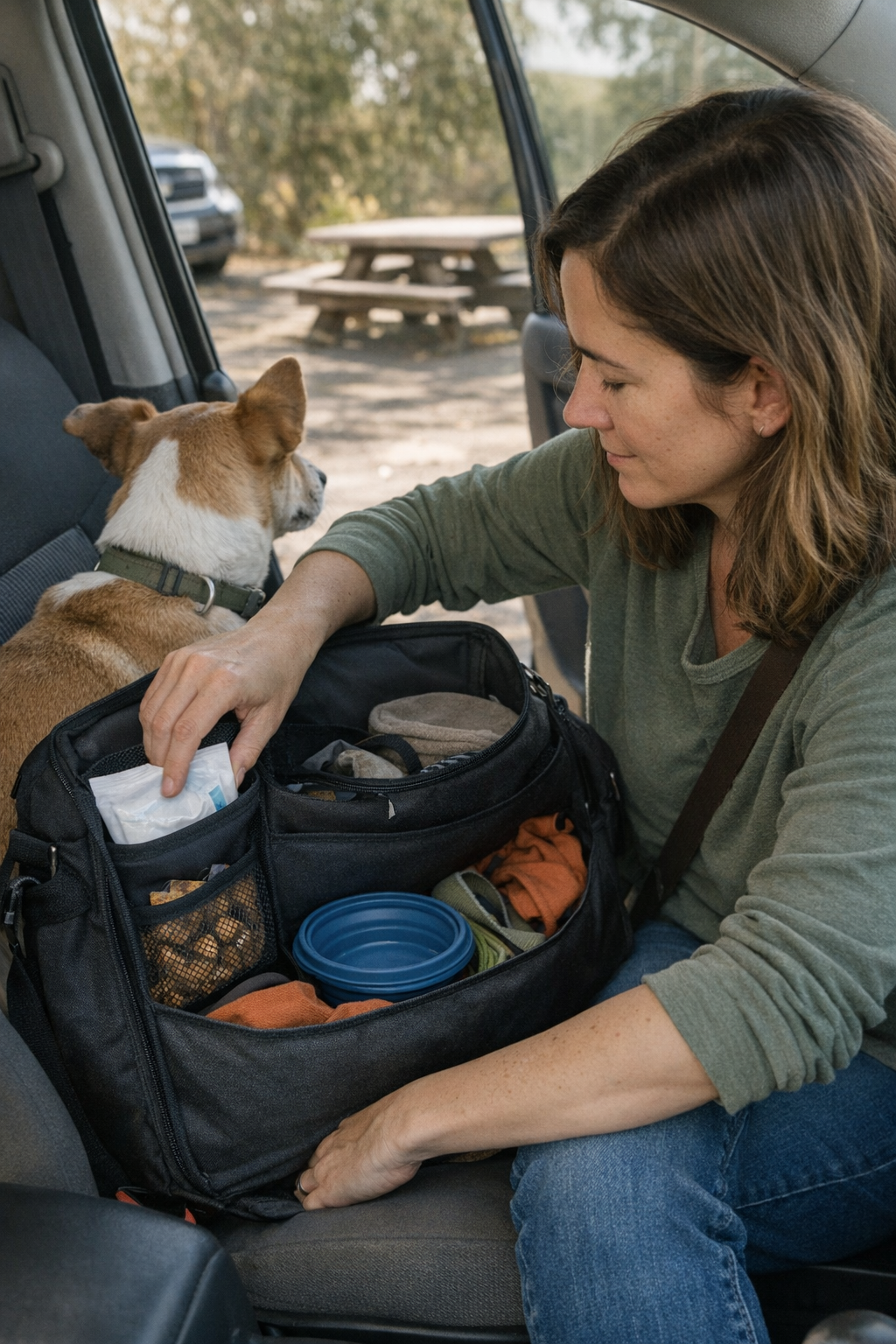
It always seemed organized enough at first glance. All those pockets zipped and stacked, compartments aligned the night before a road trip, wipes and bowls and comfort toys slotted just so. Yet by the first pit stop, that order shifted—tiny details that didn’t match how we moved on the road. That’s when it became clear: pet travel isn’t about how tidy the bag looks when still, but whether you can keep moving without fumbling or interruption.
You notice it after a few trips. Visual order often hides little frictions—digging under a slouched pouch for wipes while your dog pulls on the leash, or sliding comfort items aside to reach the water bowl. At some point in the rhythm—a second or third restart, a pause at the curb, or a hasty roadside clean-up—the seemingly well-planned system exposes a string of small obstacles. With repeated stops and half-packed restarts, the bag’s structure starts to falter. That repeated collapse is what keeps coming back.
At first, it looked fine sitting upright beside me in the passenger seat, all pockets stable and sorted. But movement highlights what the eye misses—pockets that flatten under pressure, side panels that give way, or treats wedged so tightly behind cleanup bags that a quick grab turns into an awkward shuffle. Sometimes the car door blocks the pocket you actually need, or worse, the bag shifts on the seat as you reach blindly, turning cleanup and retrieval into a two-handed, off-balance task while your pet grows impatient at your side. It’s odd: the way a pet travel bag’s structure stands firm when still, but folds inward exactly when you need it to hold steady.
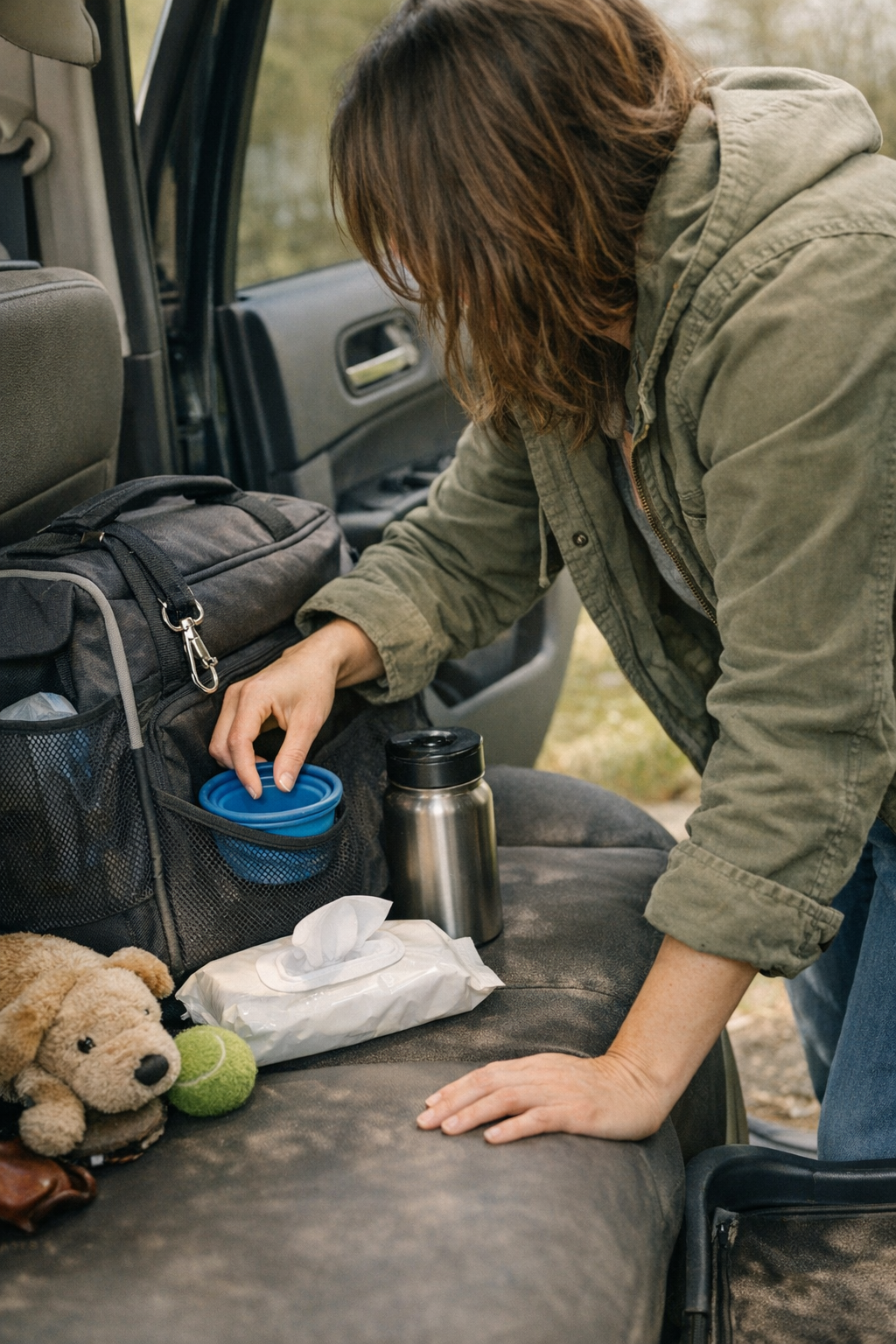
The friction keeps showing up, even when you think it’s solved. Overlapping items—my keys pressed against wipes, my dog’s comfort toy buried beneath my water bottle—mean every reset takes longer. A minute or two adds up at every stop, raising stress for both of us. Eventually, I moved the most-used essentials—wipes and treats—into a single, semi-rigid side pocket, fighting the urge to make that pocket a catchall. Over the next handful of trips, the change became clear: my hand went straight to what I needed, and the main bag didn’t have to be unpacked each time. It quietly removed a thicket of repeated reach and reshuffle. Sometimes, what works best isn’t just order, but knowing which items must always be instantly at hand.
You feel the improvement when items don’t migrate out of reach. Every stop becomes smoother, even as the days pile up and routines settle in. The bag’s job—for both pet and owner—isn’t to stay neat or visually perfect, but to keep movement as seamless as possible, especially after the tenth or fifteenth stop when patience and energy are thin.
If this sounds familiar, it’s because you’ve traveled with a pet bag enough times for tidy setups to turn into lived-in rituals. There’s a quiet satisfaction when the right item is at your fingertips midway through movement, instead of lost halfway through a search or shuffle.
If you want to see the kind of pet travel gear that inspired these thoughts, you’ll find it here: http://www.pawgotravel.myshopify.com