The Quiet Struggle Behind Everyday Pet Care Moments
Repeated micro-pauses like searching for missing towels or bowls disrupt daily pet care flow, but anchoring essentials and resetting prevents interruptions.
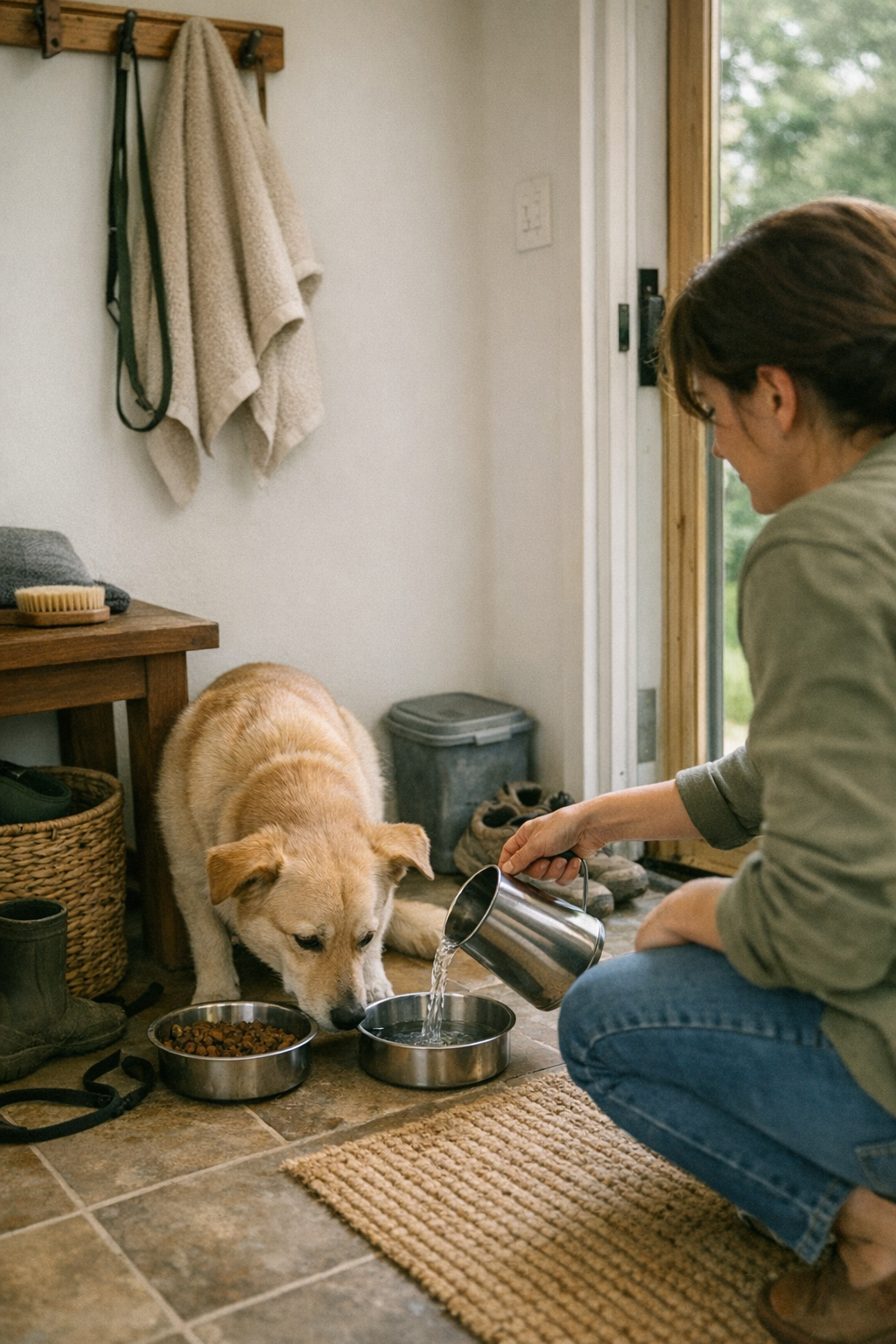
After some time caring for pets, you start to notice what really makes the daily routine feel easy or hard. It’s not the big tasks—it’s the little gaps that disrupt the flow. A water bowl missing when it’s time to refill, a towel not where it should be after a muddy walk, the brush tucked away somewhere else just as you’re trying to clean up paw prints. These small interruptions quietly turn what should be smooth into a series of jagged edges.
At first, I barely noticed. Refilling the bowl, searching for the right towel—these seemed minor and obvious bumps to expect. But over time it became clear that these pauses don’t happen in isolation. One missing item leads to a delay that spills into the next step: a delayed feeding follows a missing bowl, then a half-cleaned doorstep as muddy prints linger longer. You find yourself retracing steps, thinking, “If I’d just put that back, everything else would have gone on time.” With pets, the routine always comes back around. The setup either firmly anchors itself, or you’re stuck patching the same holes every day.
The Repeated Pause
It looks simple at first—a towel not on its hook. Minor, right? But then the next day it’s missing again, and the day after, too. Carrying a wriggling dog, I always realized the mistake at the worst moment. I’d have to put them down, hunt for a spare towel, and lose focus. It’s never just one pause; it drags on through the day.
After a few repeats, you see how each break rewrites where the routine actually happens. Often it’s not about how fast you move—the delay eats into your calm, turning an automatic moment into a chain of stops and starts. Even a calm-looking setup becomes clumsy if you’re constantly missing one key thing right when you need it.
Where Things Actually Live
The strangest part is how fast things drift from their place. Bowls, for instance. I’d wash them and leave them drying somewhere convenient—counter, porch, anywhere seemed okay at the time. Later, I’d have to backtrack just to start feeding again. That — the looping return to missing essentials — kept happening regardless of how tidy or organized everything looked. Routines fall apart when anchor points don’t stay consistent.
So I stopped treating towels or bowls as things to put away “eventually.” Each got a true home—the towel on the hook by the door, the bowl beside the food bin. Returning these items became automatic, like flipping off a light switch. It wasn’t dramatic, just a small, consistent drop-off after use. Over time, that little shift quietly stitched the routine back together. I barely noticed until one day I realized I’d stopped doubling back.
That One Small Reset
The results were subtler than I expected. Instead of hunting for lost things, I moved smoothly from the porch to the water bowl, then to the brush by the shoe tray—completing care in a few simple steps. The yard stopped trailing in quite so much. Messes and slow moments still happened, but the frustrating pauses lessened, and clutter didn’t drag care out longer than needed.
It wasn’t a big breakthrough—just closer to the everyday rhythm I wanted. Even now, that basic readiness sticks. Flipping the hook, seeing the towel in place, the bowl waiting—I’m reminded how real care isn’t just about items themselves. It’s about small resets that keep the routine from unraveling into those little gaps again.



