The Quiet Struggle of Keeping Outdoor Spaces Tidy
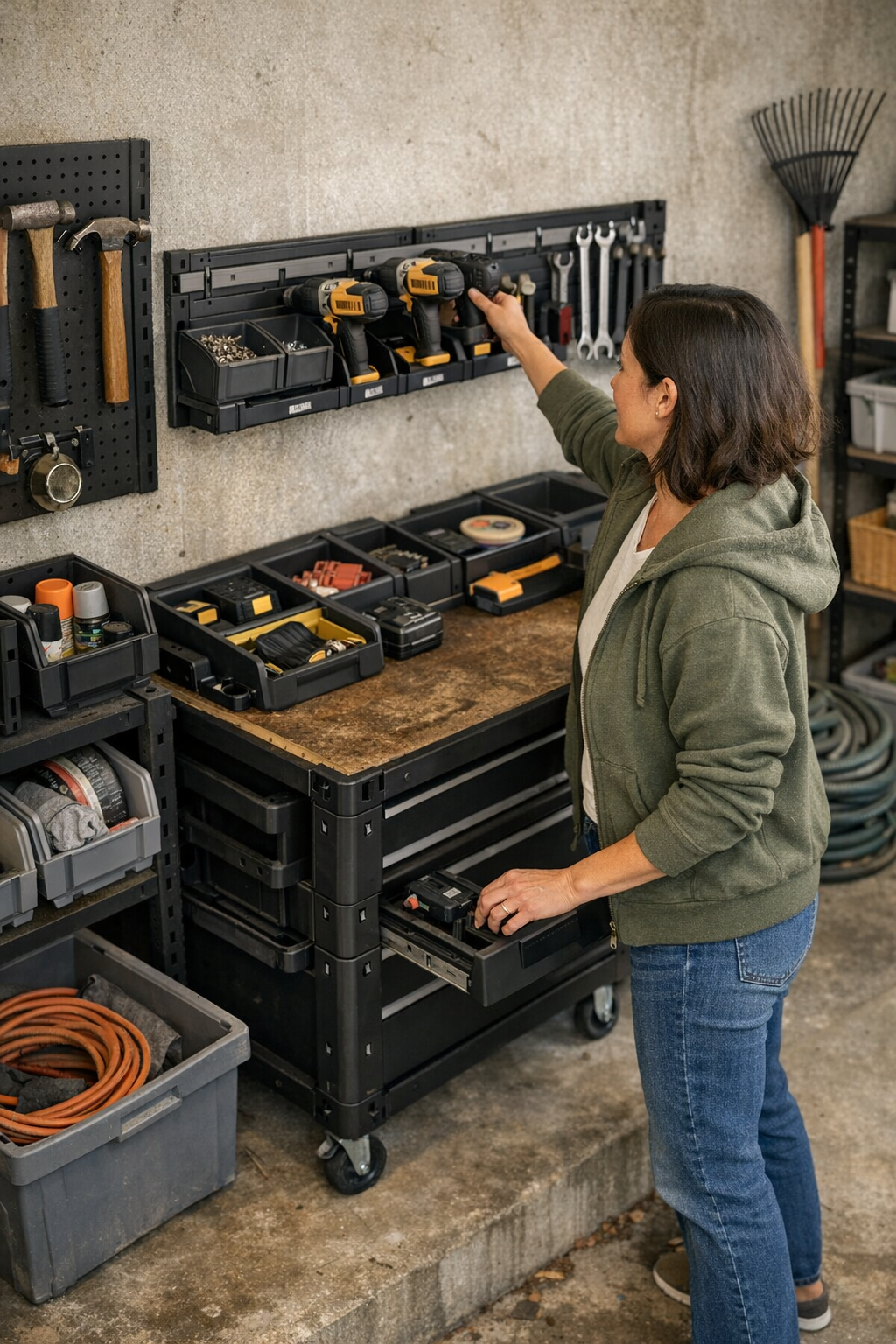
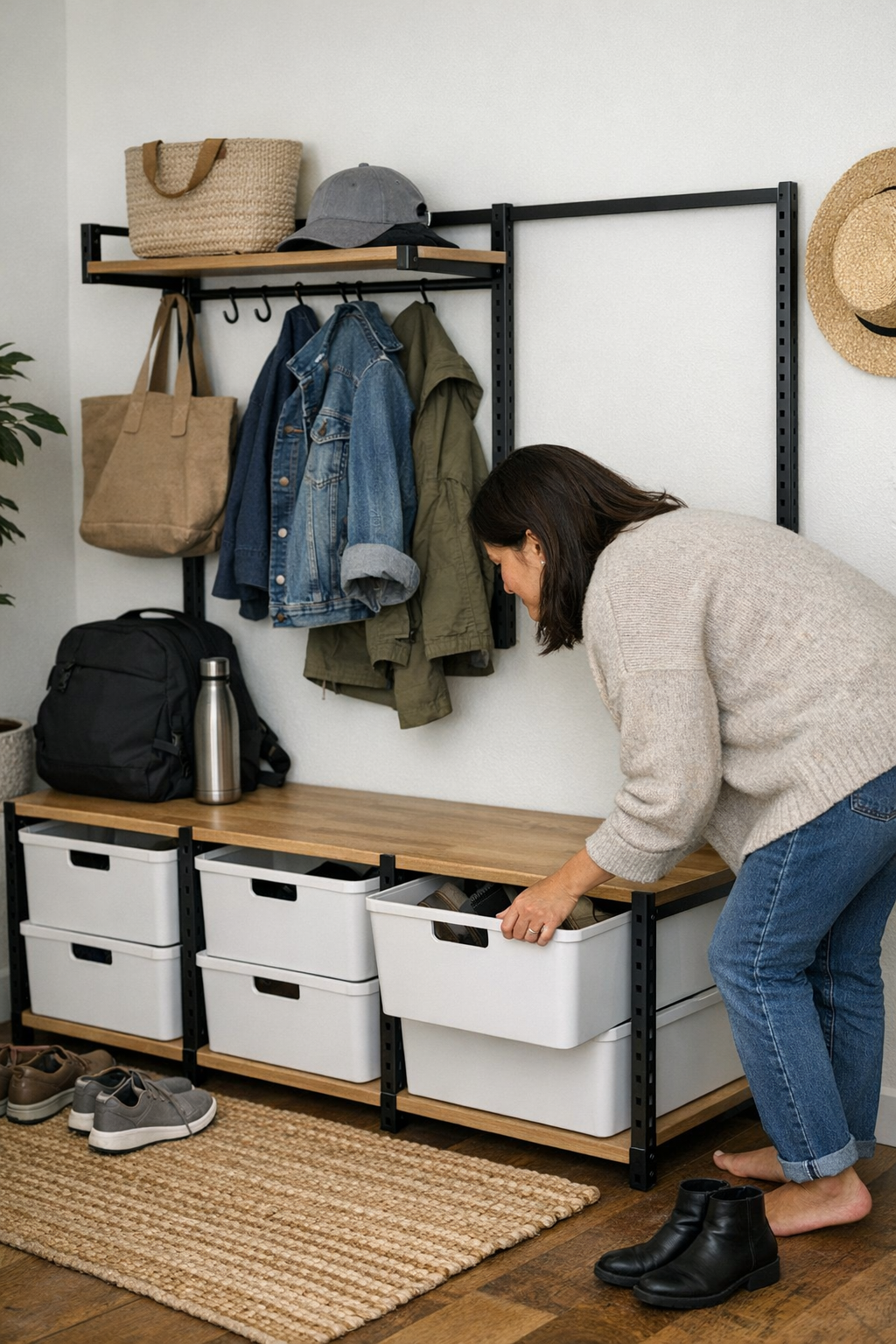
Properly ending each outdoor task relies on clear, low-friction return paths. Shallow, sectioned containers prevent clutter and ease upkeep.
It creeps in slowly—this sense that something’s just a bit off in your outdoor storage space. At first, every tool and bag seems to have a place that makes sense, and you imagine it all working in quiet harmony. But as the weeks roll by and daily life flows through, that careful order edges toward chaos. The system you built for ease somehow makes everything feel heavier. It’s not about one mess; it’s the gradual grind of piling and shuffling, the way systems unravel when tested by actual routines.
You don’t notice it immediately.
But you feel it.
Where Routines Clash With Storage
The real surprise isn’t how disorder begins—everyone expects a stray trowel or a pair of gloves landing in the wrong place now and then. It’s how the small frictions repeat. Each time you try to restore tidiness, tools migrate: swapping shelves, balancing awkwardly, settling wherever a hasty hand leaves them.
That was the part I kept coming back to. The challenge wasn’t the size of the bin or the elegance of the rack, but the path things had to take each time they returned. Deep containers made dropping things in easy, but not bringing them back out—especially if you were in a hurry, with hands already full from another job.
Watching this happen again and again, I started to notice how reset moments shaped the entire mood of the space.
How Easy Returns Shape Order
The problem isn’t clutter, not exactly. It’s the way clutter subtly grows when there’s any resistance. That little pause where you have to shuffle items aside to put one back. The temptation to leave something near the edge, with half a promise to finish the job later. These tiny decisions, unconscious most of the time, compound over a week.
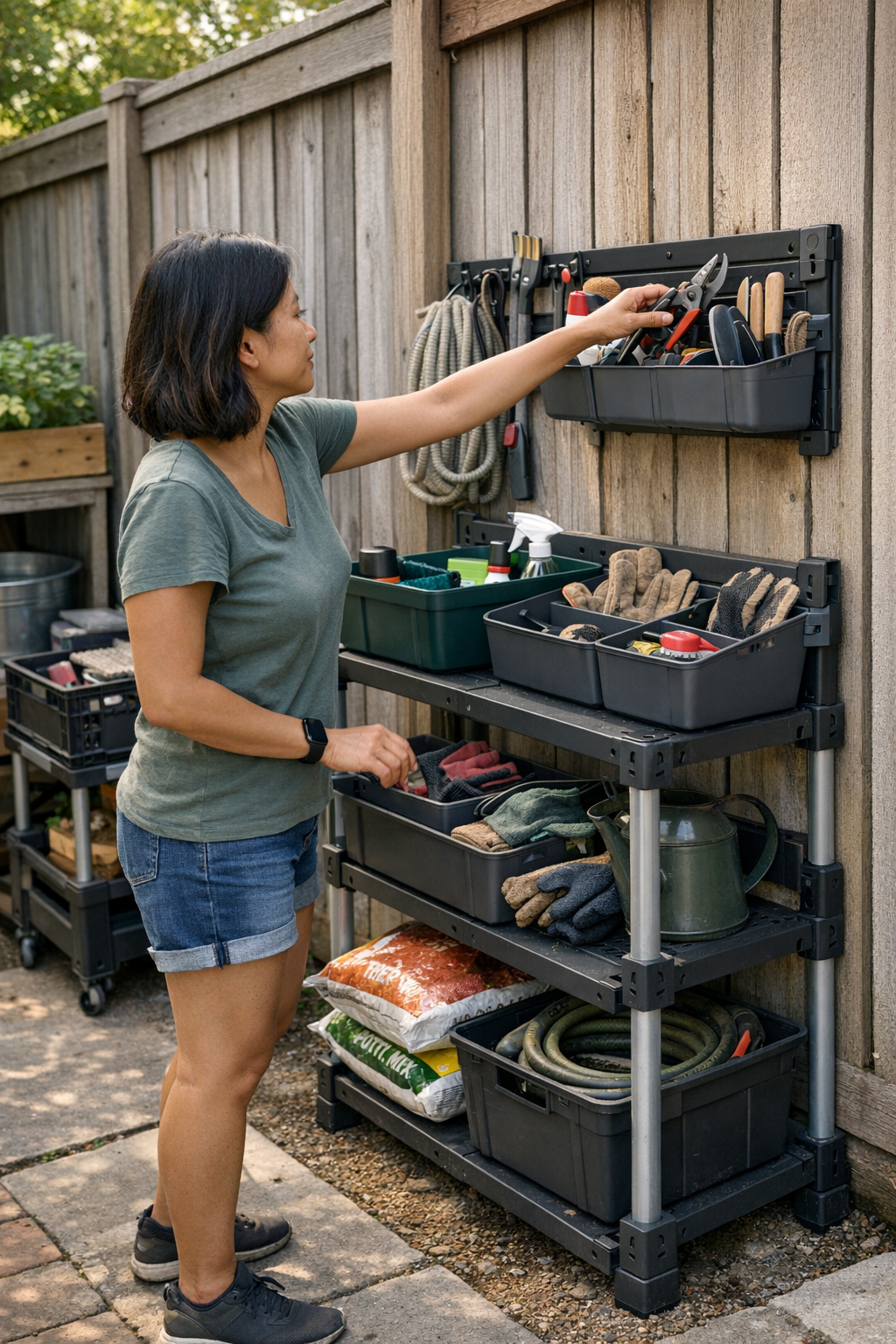
Replacing deep communal bins with low, sectioned wall baskets—a change so modest it didn’t seem revolutionary—shifted something. Suddenly, the return flow smoothed out. Each tool had its landing spot in plain sight, and returning it was a single gesture. The area stayed clear; things made their way home even when the day felt rushed.
You realize that, in practice, outdoor storage only works when returning things is just as simple as grabbing them.
What Lasts Is What’s Easy
There’s an odd freedom that comes from not having to fight your own setup. I stopped thinking about containers as “solutions” and started watching how my own habits triggered little moments of mess or order.
A practical shift: shallow, divided, front-facing baskets work better than deep storage for tools in constant rotation. Not because of a design theory, but because the path in and out stays open and obvious. Less time spent resetting means the visible mess doesn’t get a foothold.
It’s a quiet win—one you only notice when a space feels lighter instead of heavier, week after week.
Most of these thoughts came together while reworking a forgotten corner of the yard, with some gentle nudging from this space: View the full collection