The Quiet Struggle of Overpacked Bags in Real Travel
A carry-on packed to look neat at home often slows travel movement; leaving space in pouches helps adapt to security checks and quick access.
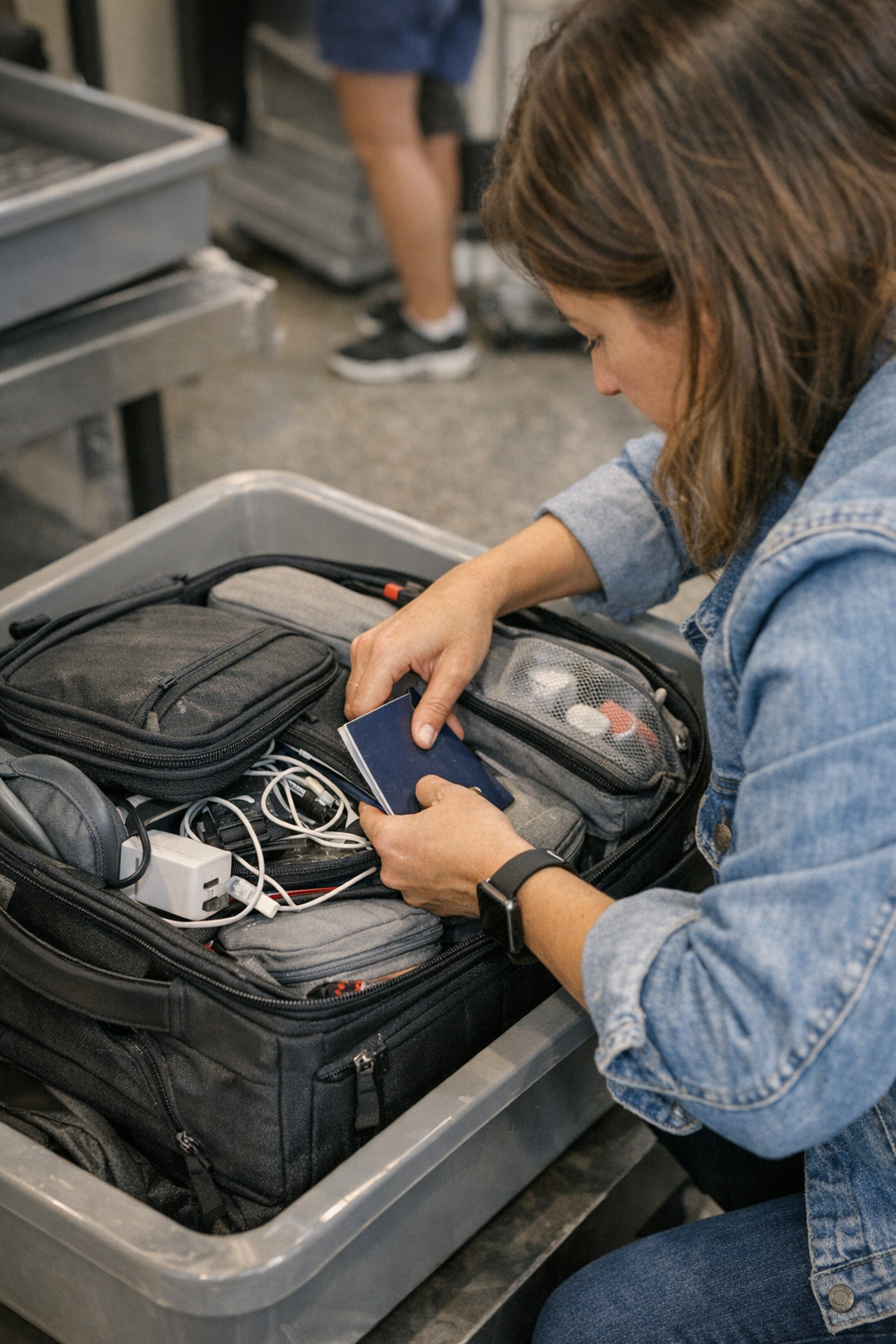
The real lesson didn’t show itself all at once. At first, it seemed like my packing system worked perfectly—every slot filled, every pouch arranged just so. I’d glance at my carry-on before a trip and feel a quiet sort of pride at how much fit and how neatly. But once the airport pulled the shape apart, things changed.
It starts with small jams: a boarding pass wedged behind headphones; a passport trapped under a jumble of charging cables that felt organized—until you grab them from a swiveling security tray. What held together at home unravels in motion. After a few airport transitions, smoothness gives way to slow, sometimes stumbling routines. The order I built was a little too precise to flex with real travel.
Where Friction Collects
I found myself hunched over the open bag, shuffling pouches, doing my best not to scatter items while hunting for something simple. That frustration stuck with me.
In security lines, it’s not the missing item that slows you down—it’s everything being packed exactly, unyieldingly tight. A side pocket catches on itself. One charger pulls another. A toiletry pouch must be shifted to access a document, which then gets awkwardly stuffed back. Simple actions take twice as long. The goal wasn’t to unpack my bag at every turn, but that’s what ended up happening.
That’s when the real change clicked: it’s not about squeezing more in, but leaving enough slack so these in-between moments flow easier.
Slack, on Purpose
Leaving extra room felt strange at first. The packing looked incomplete—maybe careless. But the small daily movements started to feel better: a passport slid out smoothly and slipped back without wrestling. Tech cables stayed separated, so pulling one didn’t mean repacking the rest. There was less tension in every reach.
My habits shifted quietly. Instead of filling pockets to the brim, I stopped short—closer to eighty percent full. Not every inch needs filling; sometimes that’s how you get space back when you need it. That slack made repeated motions simpler: less frustration, fewer adjustments on the fly, more time actually moving forward.
It’s a subtle fix, but you notice it every time you reach for something and don’t have to wrestle with your carry-on.
Sometimes it takes a few trips to understand what your bag really wants to tell you.



