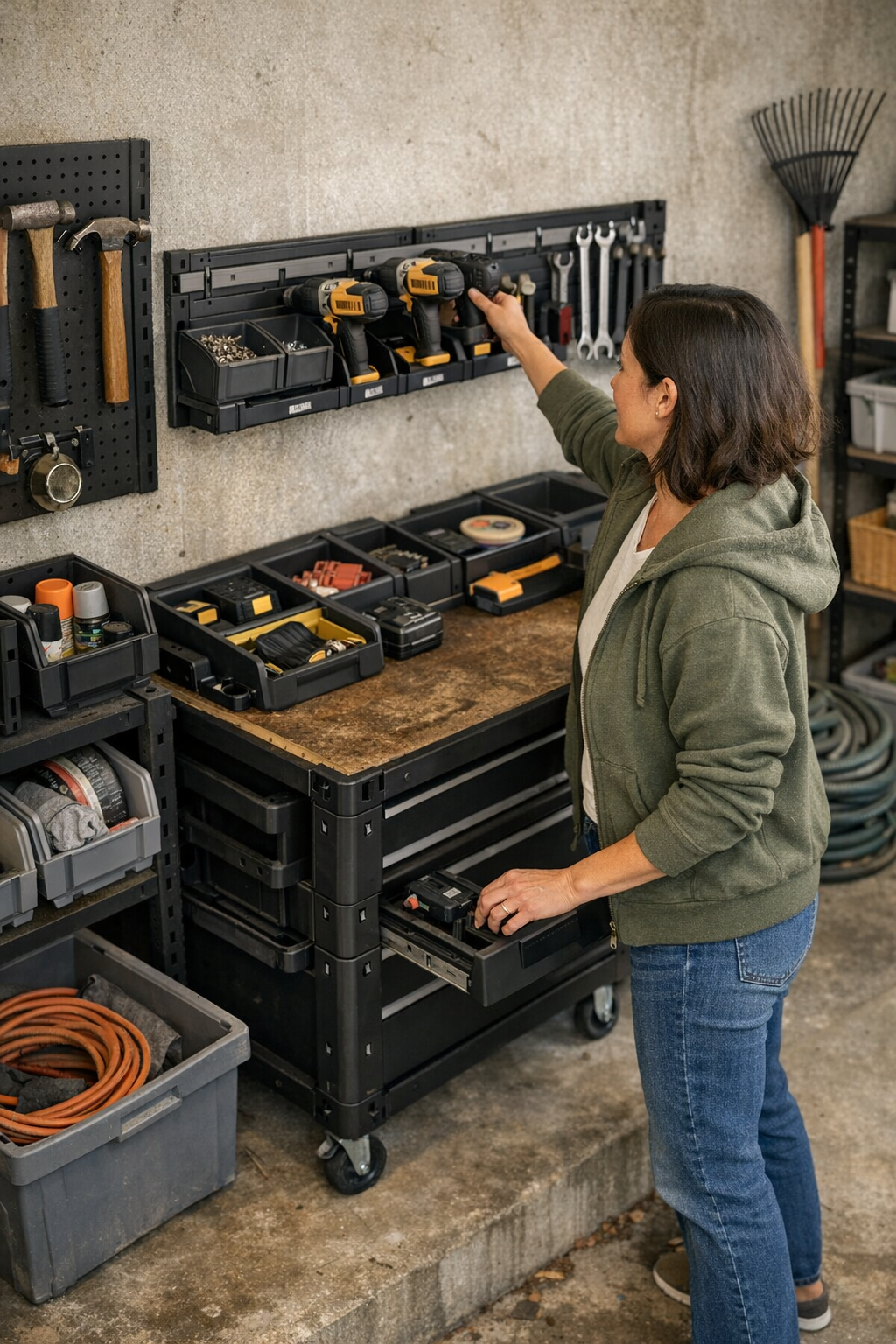
When a Bit’s Grip Fades: Quiet Struggles on the Jobsite
Maintaining bit retention on impact drivers prevents looseness and wear, ensuring steady control and better finishes during repetitive or dense work.
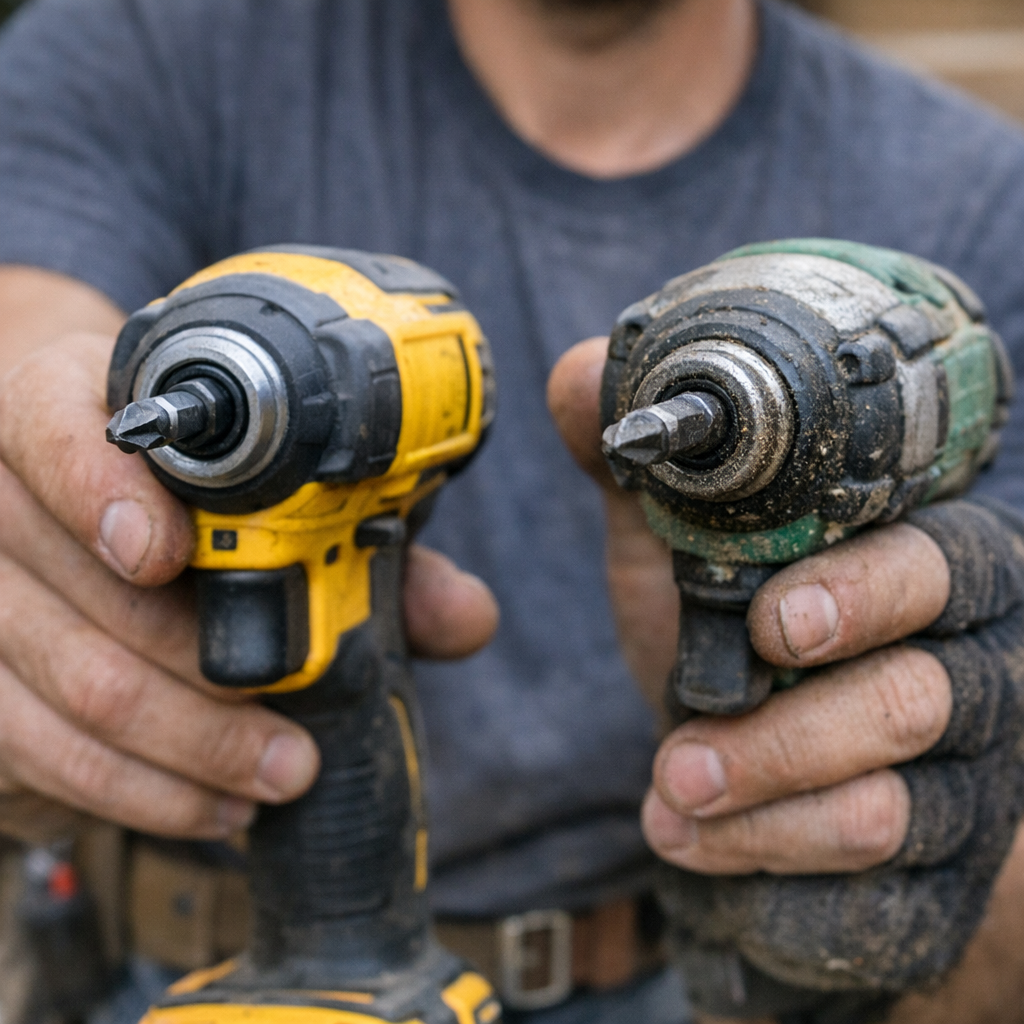
There’s a particular frustration that creeps in during the quiet, repetitive stretches of a workday—the kind where hours pass in a steady rhythm until something so minor, so easily ignored, throws the whole flow into disarray.
Bit retention on an impact driver is one of those small things. Most days, it feels invisible; bits snap into place, and the job moves forward. But the gap between a well-tended driver and a neglected one isn’t always obvious at first. It tends to show itself slowly, in the way rhythm stumbles and movement catches.
You don’t notice it immediately. But you feel it.
The Subtle Slips That Change Everything
Both new and worn impact drivers might feel nearly identical for the first few drives. That trademark click of the bit seating sounds confident, reassuring. But as the material gets denser, or as the hours stretch out, something changes.
If you listen, tiny slips start to whisper warnings—bits back out ever so slightly, loosen, or tilt within the collet. The first sign might just be a single fastener setting awkwardly proud, or the faintest skip as the bit chews its way out of the screw head. The day’s rhythm falters, not enough to bring things to a halt, but enough that it lingers in your hands.
It's almost imperceptible until it isn’t. But once you notice the bit dragging or leaving a scar where it used to glide, you start seeing it everywhere—small hesitations that quietly collect over dozens of repetitions.
Habits That Shape the Work
Real shifts happen not in those single dramatic moments, but in the weight of a habit carried over days and weeks.
A friend once shared how just a bit of compressed air and a hint of machine oil in the impact driver’s collet made the afternoon run smooth—screws drove flush, and head scarring all but vanished. On the other hand, letting dust and flakes collect led to that persistent, nagging looseness. Sometimes, it’s not the visible wear but the gradual build-up that takes more from the work than it gives.
There’s a quiet satisfaction in recognizing this pattern: a maintained tool feels solid, keeps its promise of smooth transfer and steady hold, especially when tired limbs reach overhead or the day runs long. The difference between resistance and ease grows with each repeated motion—each bit of overlooked dust becomes a tiny interruption waiting to happen.
Pause for a moment and you realize: the most reliable work isn’t about big, showy fixes, but small, often invisible care repeated as routine.
The Quiet Payoff of Consistency
It’s easy to look for problems only when mistakes show up in the final results—those cam-out scars or screws set just shy of flush. But the real value finds its shape on days when you don’t have to pause, when each fastening simply holds, quietly and predictably.
There’s a modest ritual in wiping down a collet, feeling for that confident click, and noticing how less play means less fatigue. It’s not about perfection; it’s about reclaiming the unnoticed moments that might otherwise slip away to misalignment, chatter, or the grind of correction. These small habits steady the flow, especially as the task turns repetitive or the materials demand more from the tool.
Sometimes, the real craft is found in the things you no longer have to think about.
There are days I remember—shoulders aching, light fading—when a newly cleaned collet saved an hour better spent elsewhere.
These reflections found their shape while I was piecing together a little workbench in my shop late last spring.