When a Blade’s Wear Changes the Rhythm of Work
Blade longevity on oscillating tools shows after dense cuts; switching to carbide blades when heat, vibration, or odor appears keeps cuts clean.
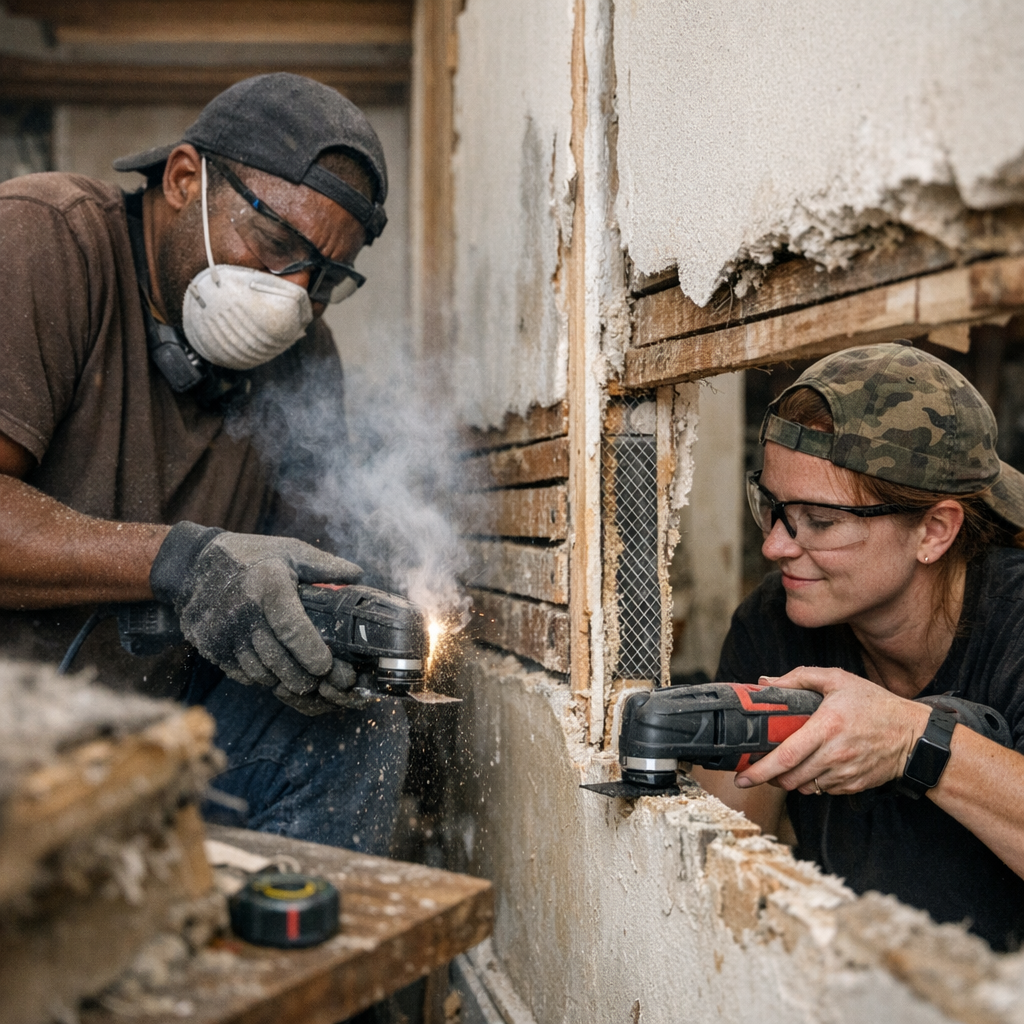
You rarely think about the blade until the job slows down. What seems like a straightforward choice—standing in the hardware aisle, weighing “universal fit” and “durability” labels—suddenly reveals itself to be more complex. Everything looks the same, until it isn’t. The smallest differences show up quietly, maybe halfway through a cut, and gradually shape how the whole day unfolds.
It’s not just another oscillating tool blade. Hidden inside those first few passes are lessons about fatigue, frustration, and why these choices linger longer than we expect.
When Every Cut Isn’t the Same
At first, every blade feels like it does the job, especially through those soft, forgiving early cuts—drywall, new wood, plastic with factory edges. You don’t notice it immediately.
But you feel it. A hesitation where there wasn’t any before. A little more vibration, a barely-there drift in the line where the teeth are starting to dull. Sometimes there’s a sharp whiff of burning or grit where the blade hesitated and dug in awkwardly. It’s the quiet accumulation of wear.
I still remember the moment I noticed how one blade kept pace while the other lost its edge. A project moved from fresh baseboards to an old door frame—one bi-metal blade glided, the other started to shudder, leaving rough seams behind. Minor choices revealing themselves through resistance under pressure.
Small Problems Become Big Moments
Blade life isn’t about the label or the brand, not really. It’s about how each one holds up when the work adds up—the hidden nails, the old pine, the dusty lath behind the visible surface.
The first real separation is subtle: one blade starts to track off the line, another kicks up a strange smell. Cuts go from clean to ragged, and you sense the frustration blooming just as you hoped to finish.
A real shift came when, instead of blaming the job or the material, I watched for signs—the heat rising through the blade, the moment smoke curled up. Swapping a worn blade early made more difference than pushing through “just one more cut.” That small change spread out quietly: cleaner seams, less sanding late at night, a kind of quiet ease in the work.
What Lingers After the Work
Most of the time, you don’t notice how a decision at the start shapes the entire finish. You move in and out of the job, sometimes only realizing later that a better blade meant less resentment, faster resets, and fewer do-overs.
That’s the refresh: seeing value not just in lifespan stats, but in the softer edges of the day—a steadier hand, less time spent correcting mistakes, more enjoyment left when the task is done.
And in the end, maybe that’s what lingers when the project’s put away. That small difference changing how you remember the work itself.
These thoughts took shape one afternoon, tools on the floor, dust catching the light. If you’re curious how deep the details go, here’s the original piece that started me down this path.



