When a Light’s Flicker Tells a Quiet Story at Home
Physically testing lighting fixture connections with a gentle tug identifies weak wiring before everyday use turns small oversights into failures.
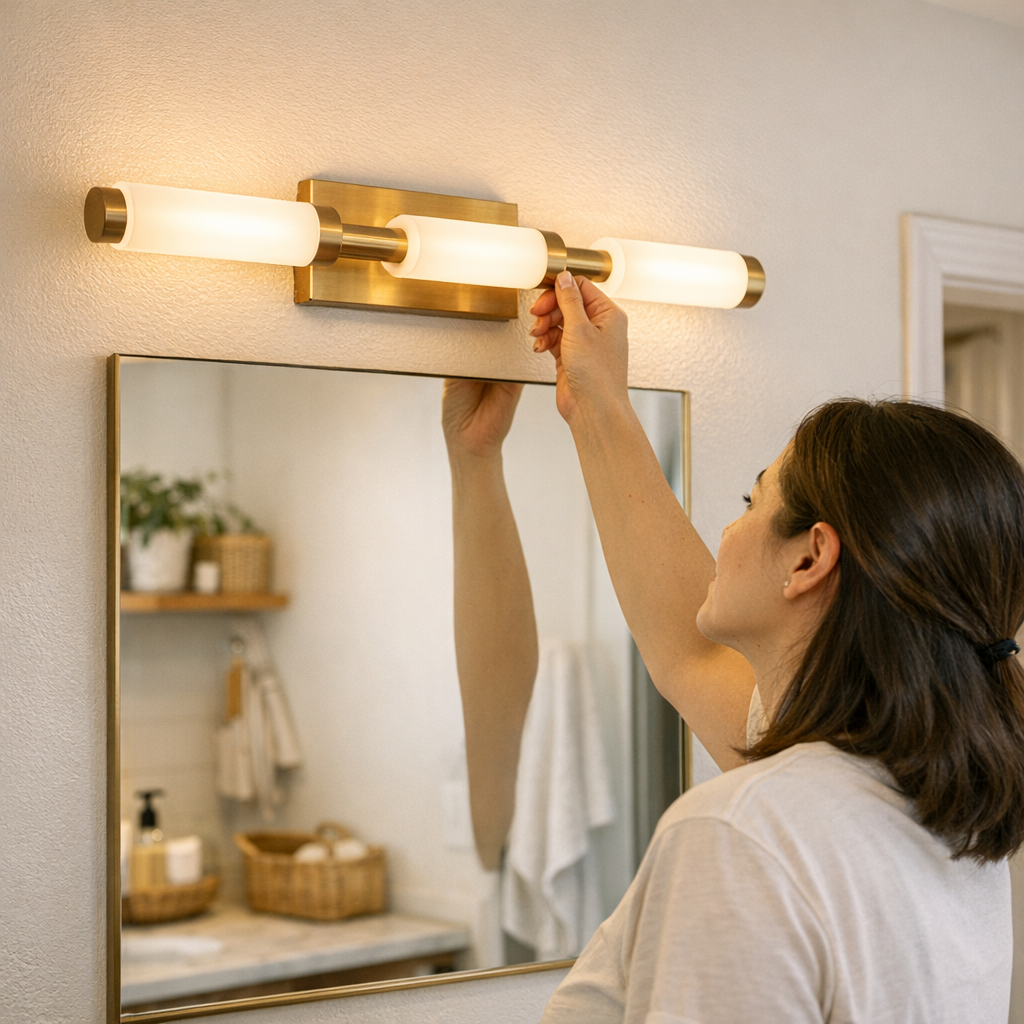
It happens so gently you might not even realize it at first—a hallway light that dips into shadow as you walk past, or a quick flicker in a bathroom sconce that leaves you blinking. These small changes aren’t just quirks. In the world of indoor lighting—flush mount ceiling lights, semi-flush mounts, wall sconces, vanity and mirror lighting, stairway and corridor fixtures—those shifts quietly signal that something beneath the surface isn’t quite right.
You don’t notice it immediately, but you feel it. On installation day, everything looks perfect; it’s only after weeks of footsteps, door slams, cleaning, and reaching overhead that small uncertainties creep in. The fixture that was supposed to fade into the background becomes a little unreliable—sometimes flickering with every touch, sometimes only when you’re not looking.
The Subtle Undoing
It’s surprising how certain indoor lights begin to drift, almost imperceptibly. Above the laundry room or in a narrow corridor, I used to think it was just the fixture itself—cheap hardware or an electrical quirk. But with time, I discovered a different source.
A flush or semi-flush mount ceiling panel that once looked secure can start to wobble after everyday vibrations—a washing machine running, regular footsteps on stairs, or even a brisk swipe of a damp cloth over a bathroom-rated wall sconce lens. These changes are so gradual I’d only catch them in the half-shadow beneath the fixture, or by noticing the light no longer fully reaches one corner of the room.
These connections don’t just settle in and stay put. They shift slowly and persistently, the kind of wear you don’t see coming until the lighting feels subtly less reliable, casting uneven shadows or dark edges where you need consistent visibility.
Where Routine Meets Risk
The everyday routines of these high-use areas—the stairwell, bathroom, narrow hallways—constantly test every fixture connection. These are the spots where proper lighting isn’t only about style or brightness, but about safe movement through the space: clear stair turns, even illumination along cabinet runs, and reliable task-surface clarity in utility rooms.
One evening, standing on the landing with a ceiling light flickering overhead, I realized the issue wasn’t the bulb or the switch. It was the wiring hidden above the fixture, pulling loose from weeks of microscopic motion, humidity, and vibrations. Just a gentle tug revealed how close the wires were to disconnecting.
Oddly, that moment was reassuring. The fixture hadn’t failed—it was the connections behind the scenes that mattered most. Those small, overlooked loosenings shaped how dependable the light would feel over time.
How Light Stays Reliable
There’s a quiet confidence in knowing the fix doesn’t require replacing fixtures or hunting specialty parts. Instead, it’s a simple habit: double-checking each wire with a small tug before closing up a ceiling panel, mounting a vanity light, or securing an under-cabinet fixture. Not urgent or complicated—just enough to confirm connections are solid and will hold through daily use.
Since doing this, the light on the landing feels different. It just works—consistently and without hesitation—whatever the hour or activity. That small step makes all the difference between a fixture that’s suspect and one that quietly disappears into the background.
Lighting indoors isn’t just about brightness or visible design. It’s about the subtle reliability of well-held connections, enduring the repeated use of footsteps above ceilings, humidity near bathroom fixtures, and the motions of daily routines. That’s what I notice moving from room to room now—and why I check almost without thinking.
Sometimes, the smallest details decide whether a light becomes a companion or a pause in the dark.



