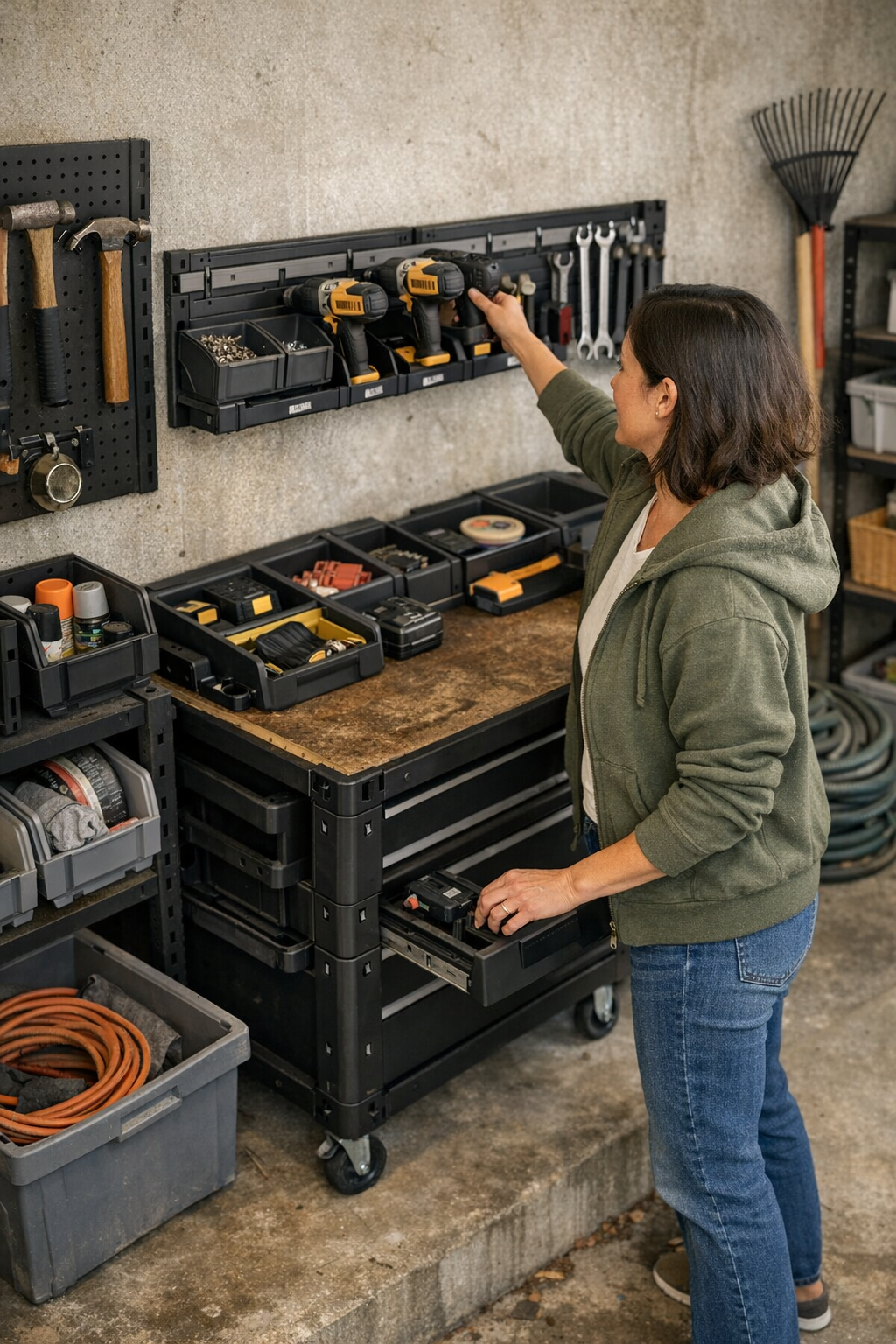
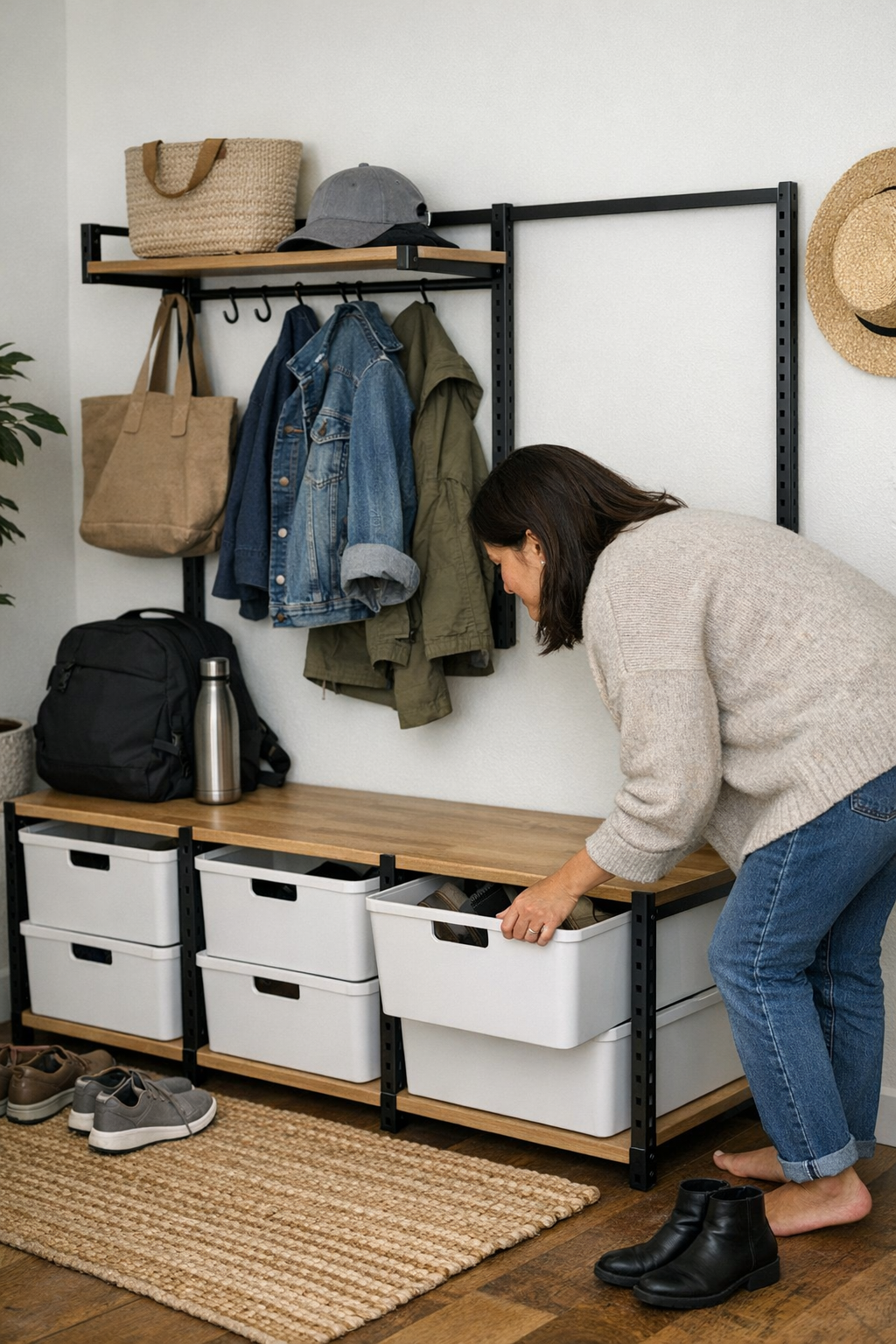
When a Single Purpose Changes How a Chest Feels at Home
Giving your storage chest a single role prevents mixing categories, making it easier to maintain and use over time with less reshuffling.
You rarely notice a storage chest until frustration sets in. At first, it sits quietly with closed drawers and a clean floor — a small victory in the busy rhythm of workshop life. But that sense of order fades faster than you expect.
A storage chest is meant to make work smoother by absorbing chaos. Yet the familiar friction arises quickly: reaching for a drill buried behind half-used tape, shifting boxes to fit one more stray wrench, or piling things “temporarily” and forgetting where they landed. The clutter sneaks up on you. But you definitely feel it.
The Slow Fade from Order to Clutter
Initially, everything looks sorted. That first setup is almost charming — each tool has its own slot, hardware is lined up in neat rows. It feels like the start of easier, more efficient work.
But real work never stays on pause. As the week progresses, tools return in a rush. Painter’s tape crowds clamps that weren’t there before. Spare bike gears drift over from unfinished projects. The clear system becomes fuzzy at the edges.
You don’t notice immediately, but after just a few sessions, resetting the chest takes longer than the job itself. Drawers hide what you need, and “putting away” becomes a juggling act of what fits rather than what belongs.
The Small Change That Quietly Fixes Everything
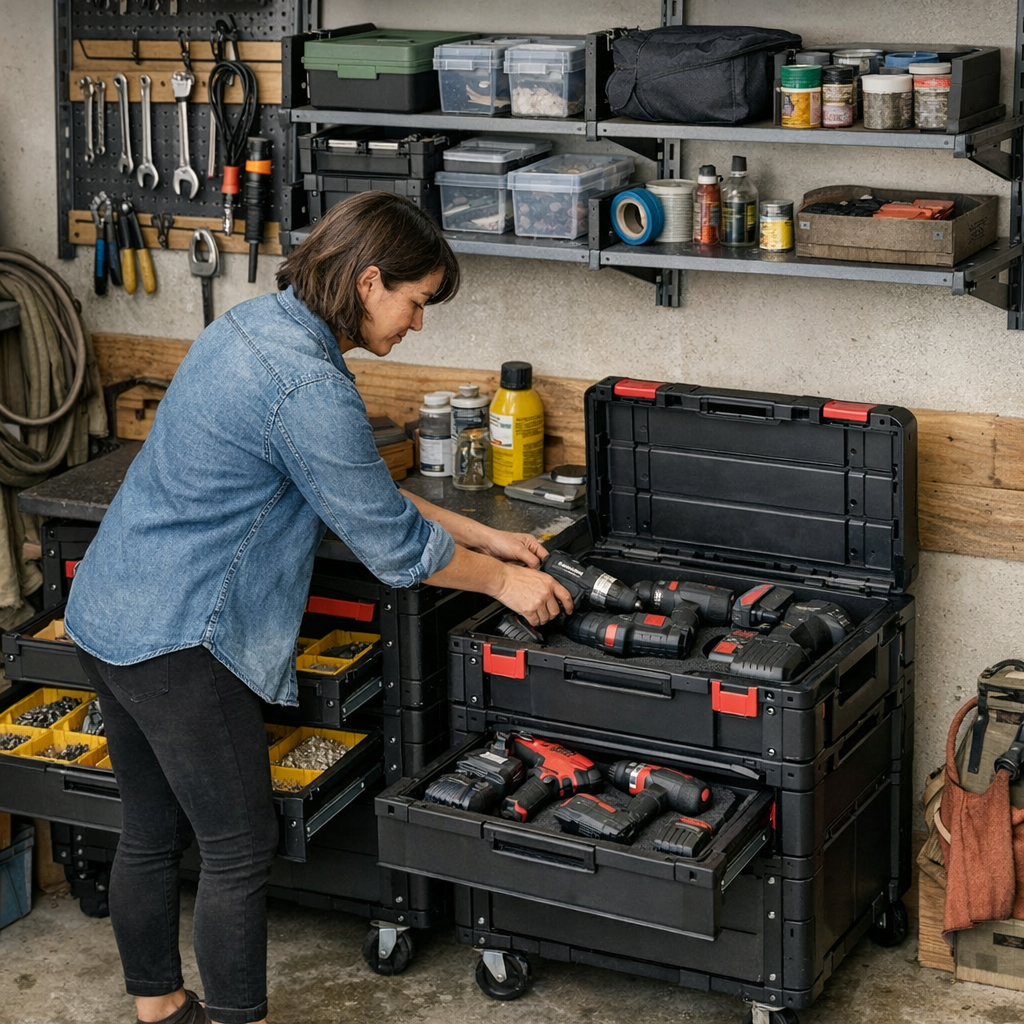
One day, I cleared the chest and gave it a single clear job: power tools only. No more mixed categories, no more guessing. Suddenly, there was no hunt for the right compartment — just the soft click of drills or sanders snapping back into place.
The change was subtle but noticeable. I stopped forcing overflow into hidden corners. There was no longer a need to wedge a staple gun where tape used to live. Returns became straightforward. Drawers stayed closed, lids shut smoothly without pressure from jumbled contents.
That relief shows up most when cleanup needs to be fast. That smoothness lingers and helps maintain order with less effort.
The Difference That Adds Up Over Time
It’s tempting to think a chest can handle “a bit of everything.” But mixing categories quietly invites clutter. Access gets blocked, tools are misplaced, and the chest slows down the whole workflow.
The simple insight is this: what looks organized isn’t always what works in daily use. Giving each chest one clear role does more than labels or temporary fixes ever could.
Now, the workshop stays tidy past Sunday evening. Every grab and return happens with less resistance. There’s less sorting and more actual working. And that ease is felt — like a gentle flow — whenever the drawer slides open.
These notes came together quietly while reorganizing for other projects around the workshop, using modular and mobile storage, wall-mounted units, and floor-based setups to keep everything within reach but never crowded.