When a Slim Cabinet Shapes Everyday Entry Routines
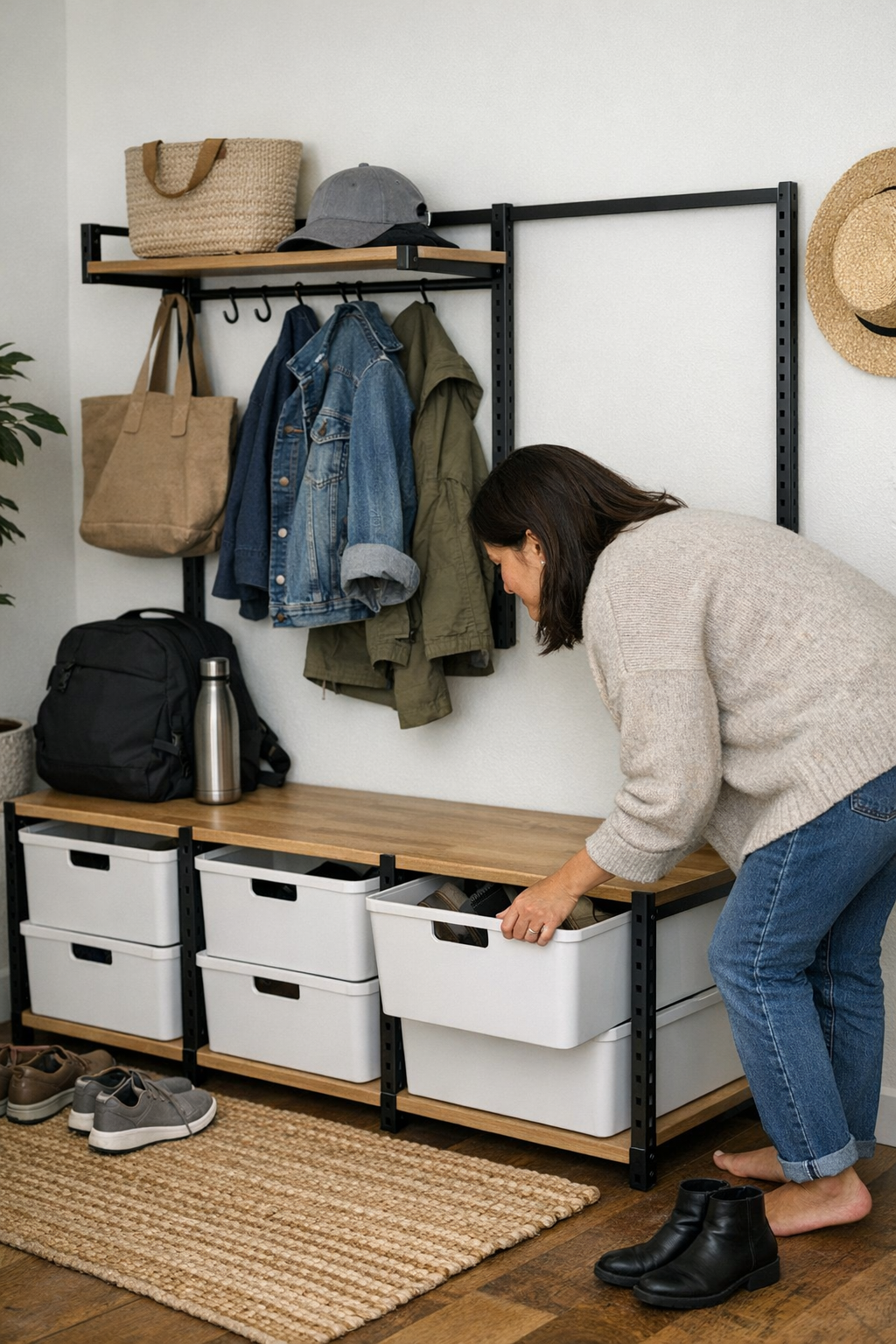
A narrow console cabinet keeps order for mail, keys, and chargers only if internal dividers prevent pile-ups, easing daily use and reset.
It’s easy to assume the job is done once the cabinet doors close and the hallway looks clear. That slim storage cabinet near the entryway—intended to keep daily clutter under control—can create a misleading sense of order. Keys out of sight. Mail stashed away. Chargers tucked in. But even after shutting everything up at the end of the day, there’s a subtle nagging feeling that something is off.
You might not notice it right away, but it’s there. Every time I paused with the cabinet half-open, deciding whether to dig something out or just add it to the pile, the friction of repeated use began to make itself clear.
The Subtle Undoing of “Out of Sight”
At first, the neat surface seemed like a real win. A slim cabinet tucked away various daily items—from mail to tech—offering a quick fix that tidied the visual story for passersby.
But after a few weeks, little patterns emerged. Mail slid to the back, mixing with items meant for the following day. Chargers tangled with coupons, and car keys hid beneath stray junk mail. Whenever I needed something quickly, I found myself shuffling through clutter accumulated from different users—or worse, my own forgotten leftovers.
This is the part I kept returning to: how swiftly one open, undivided space becomes a catch-all. In busy mornings, the boundaries blurred, and the eventual reset turned into a slow, burdensome task.
Boundaries That Change the Routine
The solution didn’t require a full overhaul. Simply dividing one wide shelf into two narrow trays—one for items leaving soon, another for essentials—reset the flow dramatically. No elaborate sorting, no daily stress; just a gentle divider that brought mail and chargers within easy reach.
Though small, this change kept the system honest: what I used most was always accessible, while less urgent items stayed out of the way, only visible to me. End-of-week resets shrank to seconds rather than extended chores.
You can sense the difference almost subconsciously. Fewer lost keys. A charger ready exactly when needed. Time wasted searching didn’t vanish but settled into the background, quiet and unobtrusive.
Inside Shape Is Everything
Closed cabinets promise clarity from the outside, but the critical part—the part truly noticed after months of repeated use—is inside, where items wait and how close they are to hand.
Structure matters more than just tidiness. A simple tray or divider isn’t about neatness alone; it reduces everyday friction that accumulates in weeks of realistic use. Each added boundary shortens the pause between dropping something off and moving on.
It’s tempting to aim for clean, empty surfaces, but looking back, the one change that truly lasted wasn’t about how the cabinet looked shut. It was about how easily I could reach the most-used items when I needed them. The unseen work happens behind the doors, not in front of them.
If you’re curious how these subtle inside changes might work for you, there’s a place I’ve found helpful: http://www.gridry.myshopify.com