When a Steady Bed Changes the Rhythm of Home
A non-slip, anchored dog bed prevents disruptions that undermine sleep quality and daily routines for dogs and owners alike.
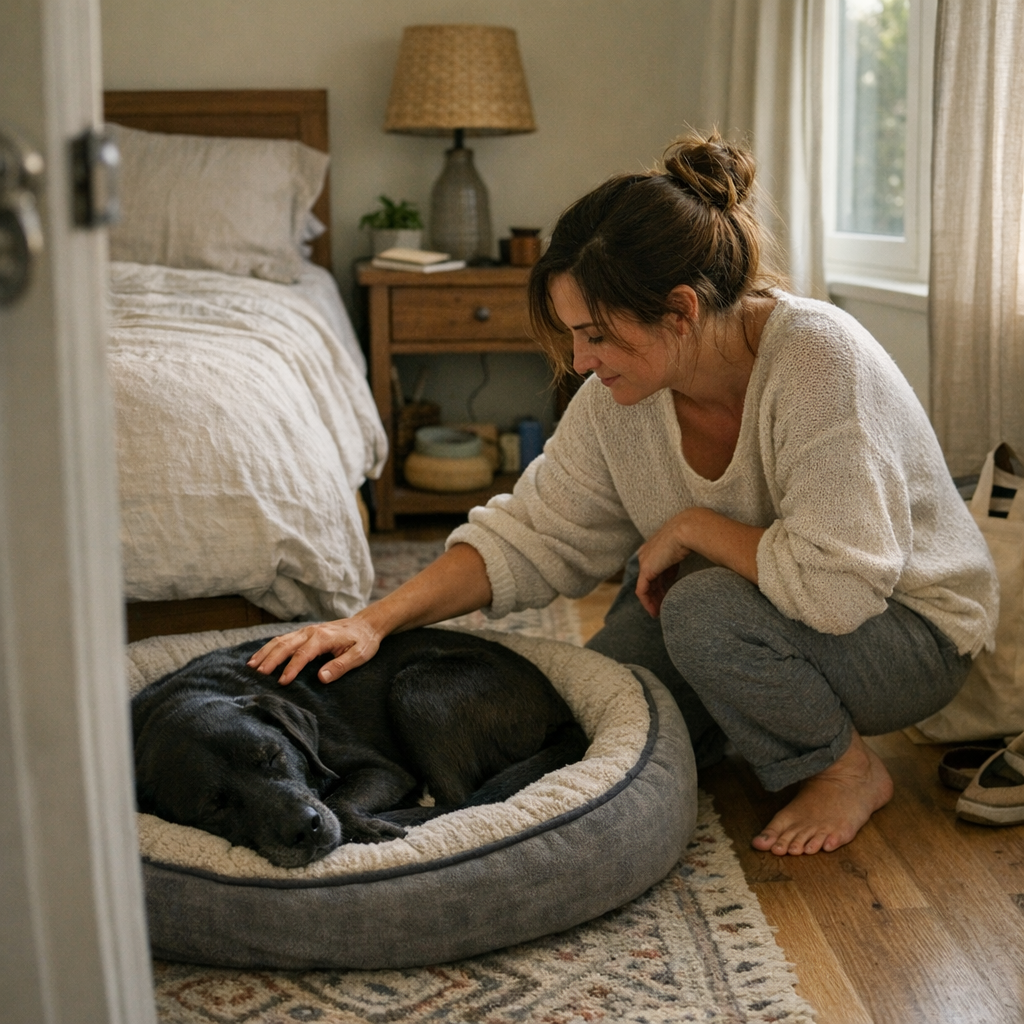
It’s the kind of detail that slips by until it doesn’t: a dog bed that won’t stay put. At first, I just noticed the edges skewed at odd angles after every nap, or that the bed had drifted into walkways by morning. It looked tidy enough when fixed for the night, but it never stayed that way. Over weeks, there was a low-grade friction—an extra pause at bedtime, a scuffed floor here, a little more clatter when paws hit the wood. It wasn’t dramatic, just an everyday interruption that kept looping back.
The difference became obvious only after I started anticipating it. You hear the familiar sounds—a collar tag scraping the floor or a quick-legged shuffle as your dog circles for the right position. At first, you straighten the bed, thinking little of it. Two nights later, you’re doing it again. Sometimes it jams against the door and you stall, arms full of groceries or towels, waiting for a way through. Messes gather at the fringes, as if the moved bed is inviting every toy and spare sock to join its new, unintended spot.
You notice it after a few mornings. The bed sits askew, half under a chair, blocking the path between the kitchen and the door. Your dog looks for a place to settle, circling uncertainly, sometimes giving up and flopping on the bare floor instead. There’s no open frustration—just a buildup of hesitation, a sense that routines aren’t lining up right. Most days, you nudge the bed with your foot and reset the corner, but the cycle repeats.
Where the Pattern Keeps Returning
By the third week, I could see the pattern wasn’t going anywhere. I’d grown used to giving the bed a nudge after every meal or each time we came in from a walk. If I missed one reset, the bed would slide even further—eventually blocking the door or crowding the crate. These are small things, yet over time, they add up. The dog, too, makes subtle adjustments—more snuffling around the edges, longer pauses before settling in, rest interrupted by the need to move everything back by inches.
It all looked like ordinary pet mess at first. Toys spill over the side, water bowls skew into the action, and the bed just keeps drifting—never far, but enough to require another adjustment. That was the part that kept returning. Every reset felt like it should finally “fix it,” but soon enough, the cycle started again.
I realized the difference between tidy-looking and actually easy to live with shows up over dozens of small routines, not just when the house is clean. An anchored bed meant fewer detours and fewer little resets in the middle of it all, both for me and the dog.
The Unexpected Pause Between Steps
Sometimes the interruption felt minor—and other times, it was the difference between walking smoothly out the door and getting snagged. On busier mornings, when timing was tight, those snags mattered. There were accidental stumbles when I shuffled inside with muddy shoes and a wiggly leash, only to find the bed in the way. I’d knock it back into place, start again, then repeat the whole mini dance after lunch, pre-dinner, or before bed.
A soft spot for the dog should have felt like comfort, but instead it had me looping around for towels, sidestepping toys, and restacking things that shifted while I wasn’t paying attention. It’s easy to miss, but when routines waver—even just a bit—it nags at the edges of your day.
The difference showed up in smaller ways than I expected: the dog rested longer without circling, and I moved through the room without thinking about what was blocking the door. Some messes still happened, but there was less feeling of being out of step with the space.
Smaller Fix, Smoother Flow
Eventually, I put a grippy mat under the bed mostly out of impatience—I wanted to see if the hassle would just stop. It did. The bed stayed set in its corner, and toy overflow tapered off when nothing shifted with every nudge. Mornings started with the bed still in place, and there wasn’t a constant need to push it back before leaving for a walk or feeding the dog.
It’s a small change, but it works its way quietly through everything else: feeding corner lines up, the door moves freely, the dog picks the same spot every time, and the dozen little resets fall away. Nights settle in a little easier, with one less background shuffle.
What I took from all this is how often the smallest friction becomes part of living together, nearly invisible until it’s gone. That’s the kind of thing that stays in mind, year to year, as routines repeat and reset.
If you ever wonder what might make your own daily dog life just a bit smoother, you can see some everyday setups here: http://www.dogpile.myshopify.com