When Backyard Storage Becomes a Daily Challenge
Choosing a storage solution matching your yard’s daily use reduces effort, prevents clutter, and makes organizing routine, not a project.
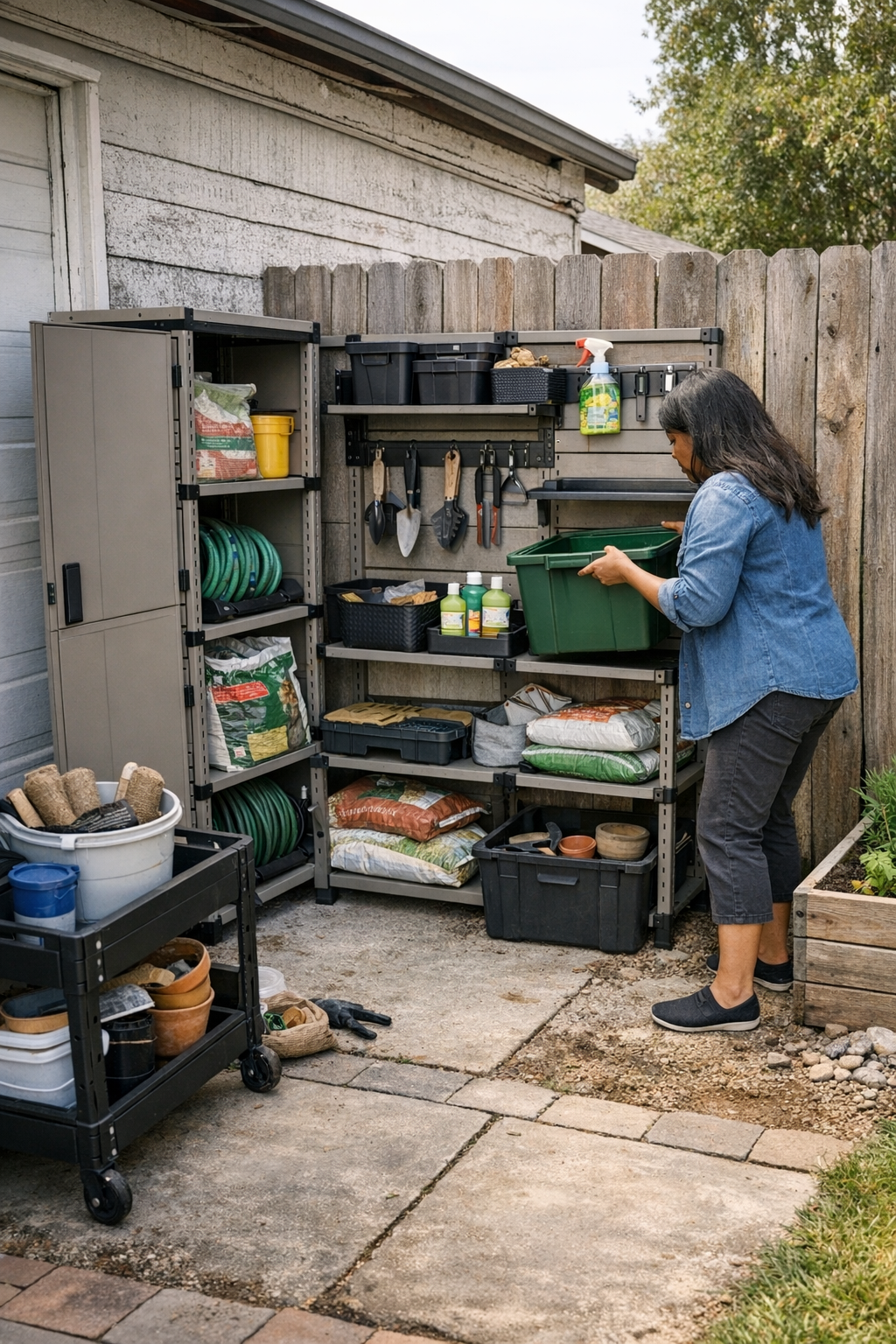
It doesn’t happen right away. At first, there’s that sense of control: a clean shed here, a neat row of hooks there, everything in its place. But routines have a way of testing what looks tidy on the first day. Over time, that feeling shifts. The best-laid outdoor storage reveals its true colors not when it’s first set up, but in the quiet accumulation of days—when things are hauled out for projects, tossed back during rainy weather, or borrowed and returned a week later.
For me, it was never about the size of a unit or matching the system to a magazine-perfect backyard. The real question was always this: Is it making daily outdoor life easier, or quietly harder?
The Subtle Ways a Storage System Shows Its Limits
You don’t notice it immediately. But after a month or two, a pattern emerges—tools left leaning by the door, walkways pinched by bins that don’t quite fit the return trip, small piles where a wall system hasn’t held up against busy weekends.
There’s a key difference between being organized once and staying organized in real life. Freestanding sheds shelter the big tools and gear, but can shrink the usable outdoor space you need for other rhythms—walking through with a basket, rolling a bike away, clearing a path for guests. The more fixed the footprint, the less room there was when life shifted for a weekend gathering or heavy gardening.
Wall-mounted setups help by lifting clutter off the ground—at least when everyone remembers to hang things back up. But if that habit isn’t there, items slowly trickle down and gather at the base. This was the part I kept coming back to: the system works, but only as long as it matches actual routines and usage patterns.
Clutter Is a Sign, Not a Failure
There are small signals, almost like background noise. If putting things away starts feeling like a puzzle, or reset time stretches longer each week, something is off. I’d catch myself delaying the chore because it always required just one more move—shift a rake to store a cushion, empty a box to fit garden gloves, clear a path just to close the door again.
You don’t realize how often you perform these small contortions until the effort builds up. Left unchecked, neatness that once felt effortless becomes a series of small negotiations and daily friction.
It’s not about blaming the system, but about listening to what the “return friction” is telling you: maybe the cart needs to roll out of the way faster, maybe that shelf really isn’t in the right spot. There’s quiet relief in spotting these signs early, instead of pushing through mounting messes that discourage use.
Matching Storage to the Way Things Really Happen
I started paying attention to what felt natural in the flow of a day. A wall system preserved more of the precious ground in a small backyard, making it easier to keep walkways clear. A freestanding unit, while sturdy and weatherproof, tended to plant itself firmly in the middle of everything, making quick uses harder and disrupting side-yard access.
The useful shift was this: the right outdoor storage doesn’t need to look perfect at the start. It just needs to make coming and going easier over time, shrinking the window between what’s out of place and what’s “good enough” to move forward.
Even a small tweak—a more visible shelf or a lighter, mobile rack—made a real difference in whether things landed on the floor or found their way home after a long Saturday. Not everything finds its proper place, but systems that align with real outdoor routines cause the least friction and reduce the daily reset burden.
These reflections took shape while working through my own backyard storage issues, and I found some gentle solutions here: http://www.tidyyard.myshopify.com



