When Backyard Storage Becomes a Daily Struggle
This article shows why matching backyard storage to daily use prevents clutter and frustration by focusing on return flow and item drift.
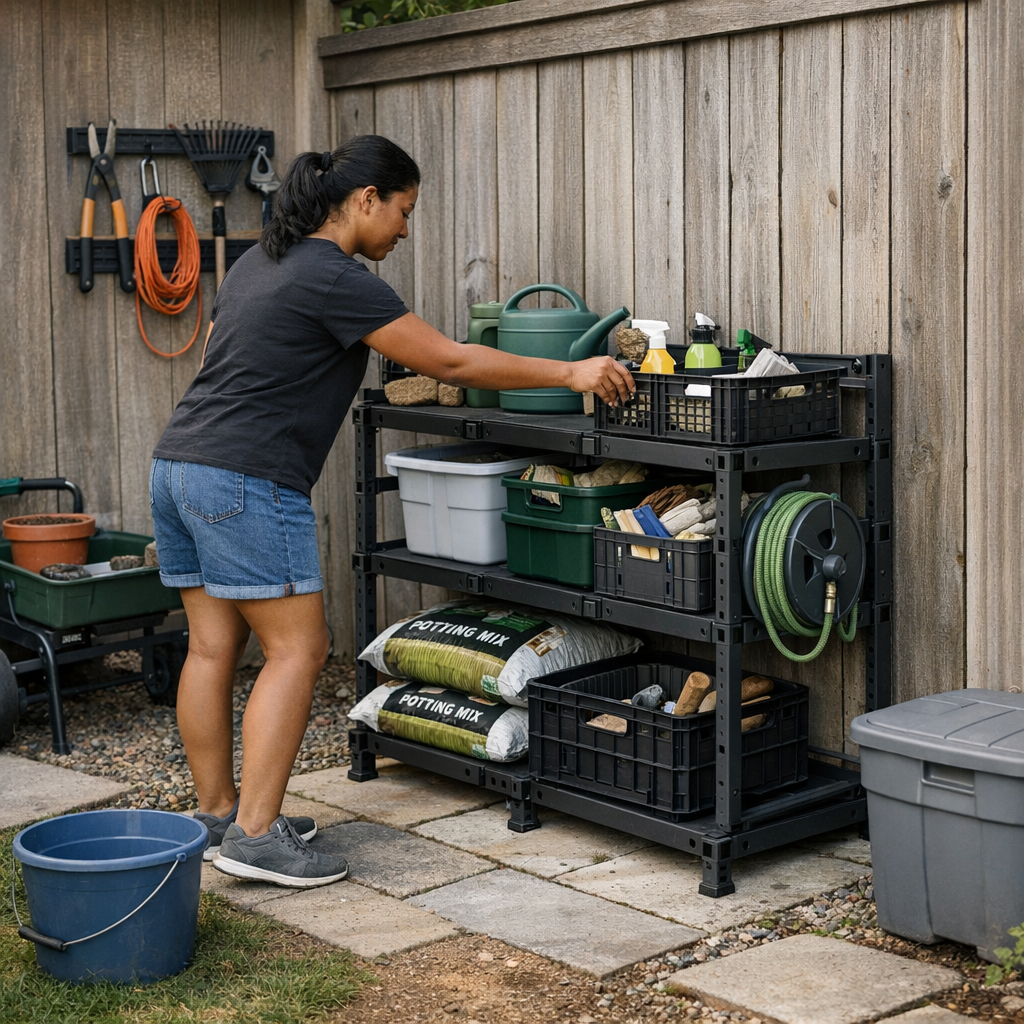
There’s a certain feeling you get every time you look at your backyard corner—the one you promised yourself would stay tidy this time. At first, it’s subtle: a sense that things should feel easier, but somehow don’t. It’s not just about where the shovel sits, or whether the hose has a hook of its own. Living with outdoor storage for a while, you start to notice how a setup can look neat in theory, yet quietly reshape the flow of a day in practice.
When I first set up storage in my backyard, I thought it was only about picking the right fit for my stuff. But the real difference emerged with repeated use—the way a seemingly perfect unit could, over time, make small tasks unexpectedly awkward. Putting things back started to take more effort than taking them out. You don’t notice this immediately, but you feel it. Each season layered on, nudging the whole setup closer to the edge of clutter.
The Little Things That Don’t Return
Most storage looks composed when it’s not in use. The real test comes with repetition—grabbing gloves, returning a rake, dodging wet boots left out “just for now.” In tight spaces, these daily decisions pile up. I’d find myself stepping around small stacks without an official place. It wasn’t a design flaw exactly, but a slow build-up of friction that subtly shifts how the space works.
That’s the part I keep coming back to: clutter first sneaks in as barely-noticed shortcuts. Small items too much hassle to return properly—secateurs balanced on a bin, a nozzle perched atop a pile—signal that the system can’t keep pace with real routines. The harder it is to put something away, the less likely it happens at all.
Shifting Roles, Subtle Annoyances
Backyard storage setups evolve in predictable ways. Floor units feel stable until you need what’s stuck behind everything else. Wall systems make returns quick, but get tangled when too many share the space. Modular setups seem flexible—until bins wander into odd corners and zone boundaries blur. The surprise is how these small friction points begin to influence the rhythm of every outdoor errand.
Sometimes it’s as simple as dragging a bike through layers of bins, or squeezing past a cart that wasn’t there last week. These moments add up. I realized a good setup doesn’t just hold things; it adapts quietly to how you move in the space. The modular shelf that started “just for kids’ games” may slide toward garden duty if left unanchored. A wall hook overloaded with tools somehow makes the whole corner less inviting.
How Return Routines Shape the Space
When putting things back is always a minor hassle, it’s rarely just about too little room. More often, it’s an awkward fit between storage design and real movement flow. Spaces that work are the ones where returns—especially when rushed or distracted—stay quick and simple. That’s something you only really notice after months of daily use, not during shopping.
I’ve learned to watch where clutter builds and when I stall putting things away. The most effective layouts support return flow; they ease the ongoing reset burden to prevent pressure from spilling over. When overflow sneaks to the edges, it’s usually time to pause and shift things, rather than push through.
These reflections formed as I quietly tinkered with my own backyard setup. You can see more at http://www.tidyyard.myshopify.com.



