When Bathroom Cabinets Start to Warp and Fail
Daily use shows moisture resistant bathroom cabinets preserve order, preventing warped seams and clutter, ensuring easy retrieval and maintenance.
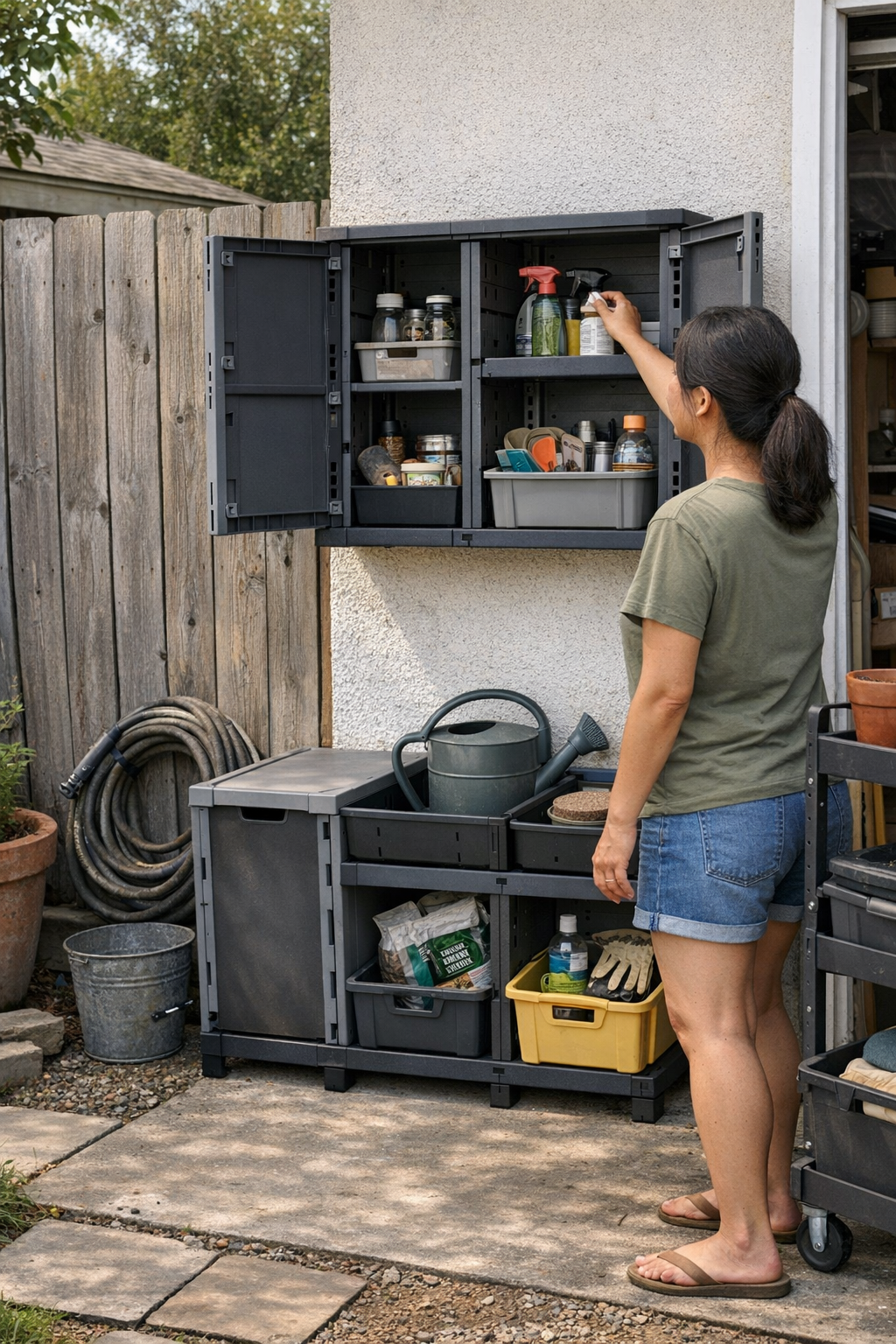
You don’t realize how quietly things unravel until you catch yourself tugging at a stuck bottle or peeling up a compressed stack of cotton pads in the middle of your morning routine. I used to think of the bathroom wall cabinet as simply a place to keep clutter out of sight—a zone of order, a brief pause between getting ready and getting out the door. But over time, something subtle shifted. Moisture—not outright drips, but a constant background presence—became the factor that decided whether everything stayed steady or slowly slipped back into chaos.
I started noticing it after a few weeks—not immediately. At first, the cabinet surface seemed indifferent to steam and splashes. The finish was clean, the shelves straight. But daily routines leave their mark in quiet ways. It’s only by living with the system, opening and closing those cabinet doors every morning and night, that the cracks began to show.
The Ordinary Breakdown
You don’t notice it right away. It’s a creeping change—the way shelf edges start to feel tacky, labels curl at the corners, and small leaks form sticky patches under bottles. Early on, I blamed myself for rushing or not putting things back carefully. But it wasn’t just carelessness.
What really set the process in motion was moisture collecting along seam lines and base corners. A quick toothpaste rinse down the sink, a damp jar returned hastily—it all seemed minor until the cabinet became a subtle magnet for clutter. Items slid out of place, categories overlapped, and without meaning to, I spent longer just finding what I had already organized. The gap between “looks neat” and “stays usable” was thinner than I had expected.
When Storage Works (and When It Doesn’t)
This was the problem I kept circling back to. With my old cabinet, by the end of the week, the bottom shelf sagged—becoming a soft landing spot for overflow or strays that couldn’t find their way back to the right zones. The moisture caused swelling, making what should be flat surfaces feel unpredictable. Those small storage wins—like making room for a second toothbrush or separating brushes from bottles—would dissolve as the surfaces became uneven.
Switching to a moisture-sealed cabinet made a quiet but immediate difference. No more stuck-on edges or hidden residue gathering beneath the clutter. One practical fix I settled on was placing a removable mat on the base shelf. It felt minor, but this made wipe-downs quick and kept surprises at bay on reset days. It changed how “finished” a space could feel without a full overhaul or chasing minimalism.
A Shift You Only See Over Time
The relief is not in grand reveals, but in the daily repeat. Open the cabinet, close it again—barely a thought. Bottles still crowd the space, drawers sometimes overfill. But the background tension—where moist air warps the shelf, where routines quietly sidestep storage plans—fades away.
There’s something about storage that supports use without nagging for attention. It brings calm, even as life speeds up around it.
It makes me think about the spaces we build for real use, not just for show—the hidden corners where storage either supports or undercuts the rhythm of a morning routine.
It’s a quiet edge. And if you want to see where I found mine, I’ll leave this here: www.gridry.myshopify.com



