When Bathroom Counters Lose Their Calm After Morning Rush
Grouping skincare by actual routine order controls surface drift and reduces retrieval stress, keeping counters usable over time.
You don’t always notice what’s wrong with a bathroom storage setup in the first few days. The countertop looks neat—rows of skincare bottles tucked into a fresh tray, offering the illusion of calm. But after a week or so, the order built on intention, not habit, begins to unravel. You reach automatically for a product, only to find it’s no longer where it was. That shuffle, that quiet disorder, is what I kept coming back to.
There’s a difference between what looks organized and what actually stays that way when routines get messy. For me, it started small—grabbing cleanser and finding an SPF bottle in its place, toner getting buried, an open basket where categories blurred with barely a push. The separation between day and night products broke down, one side falling behind the other. Some systems survive a few days but not the first few rushed mornings. In real use, the cracks show.
The Quiet Undoing—And What I Didn’t Notice at First
You don’t notice disruption immediately, but there’s a tension in a countertop that quietly demands constant resets. Even a perfectly lined-up set of bottles will tip, slide, and crowd each other under real pressure. Sharing space with someone else accelerates this drift—returns go off-sequence, little piles or lines form along the back edge. Category lines, once crisp, start to blur.
Your movements adjust. You may nudge aside three bottles to reach moisturizer, or reach around a jar that rolled forward overnight, blocking the product you actually want. The promise of a well-organized counter is efficiency—but only if the flow matches your real routines, not just product type, bottle height, or the hope that things will naturally slide back into place.
A real organizer stays invisible when it fits the way you move. Trays without dividers, or bins without compartments, demand frequent small corrections. The surface calm fractures. That, more than anything, slows you down.
The Subtle Reset—When Structure Follows Routine
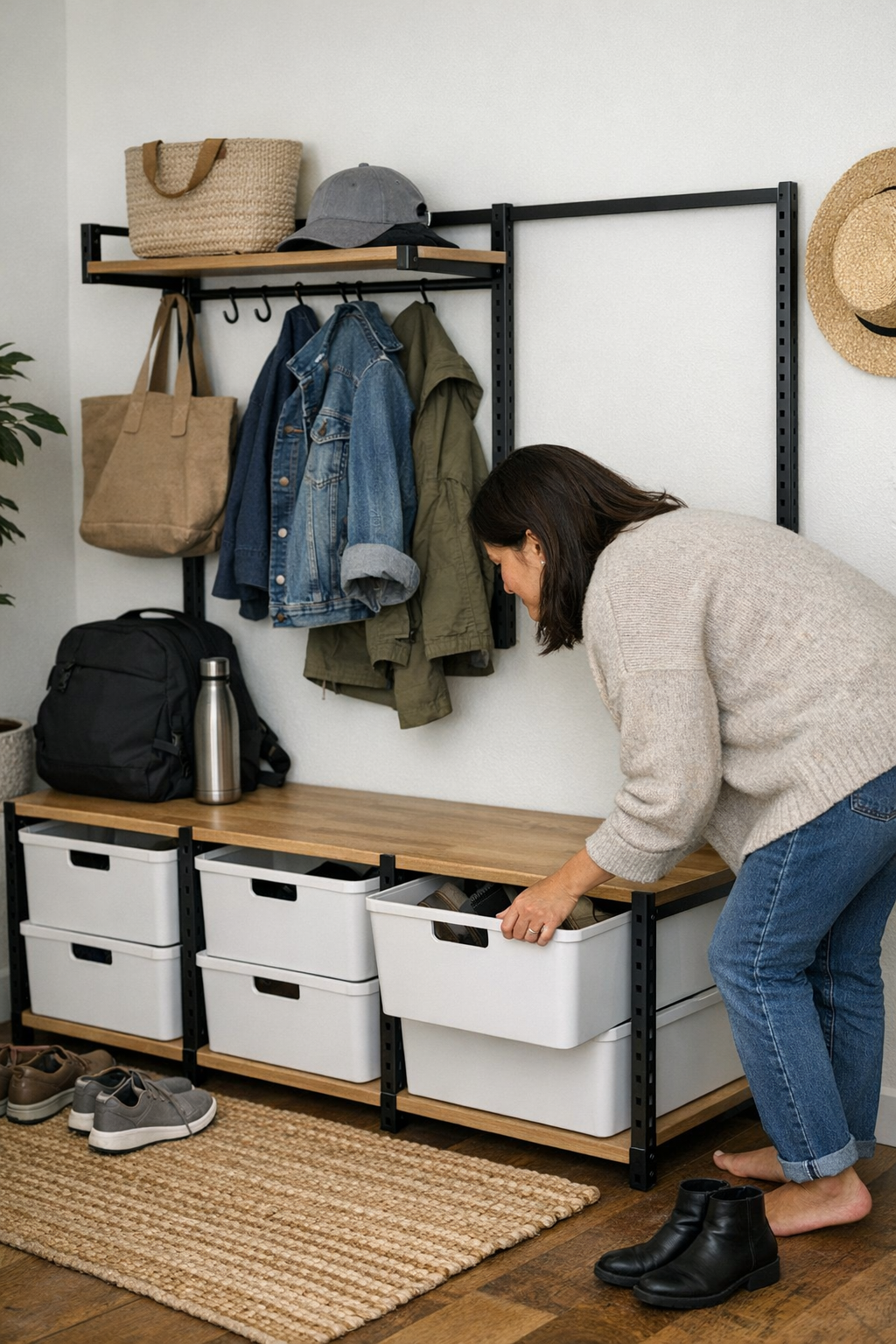
There was a quiet relief when I switched to a modular organizer with clear step-based divisions. Each product had its dedicated section, mapped exactly to the order I used them. It wasn’t reinventing storage, just realigning it; but daily routines lost their friction. I could grab moisturizer without pushing through a crowd, and putting it back took no thought.
It’s an odd comfort—knowing the sequence will hold steady even after rushed mornings. The visual tidiness wasn’t surface-level; it had structure. I spent far less time realigning bottles each week. The difference isn’t loud or dramatic, but you feel it.
If compartments don’t adjust to different heights or product sections, the mess inevitably returns. Routines don’t pause for arrangements made only with aesthetics in mind. It takes less time to reset a stable structure than to constantly fight drift—especially in a bathroom where repeated retrievals are the norm.
Why Function Matters More Than the First Impression
Every inside-storage system absorbs a unique kind of chaos. Drawers, trays, divided shelves—each can create flow or friction. The challenge isn’t just initial neatness, but how well the structure absorbs real use, shared rushes, and everyday slips back into disorder.
When an organizer’s order matches your actual routine—cleanse, treat, moisturize, protect—retrieval becomes automatic, not laborious. Surfaces not only look organized but stay that way under pressure. That’s support that works quietly in the background, without demanding attention.
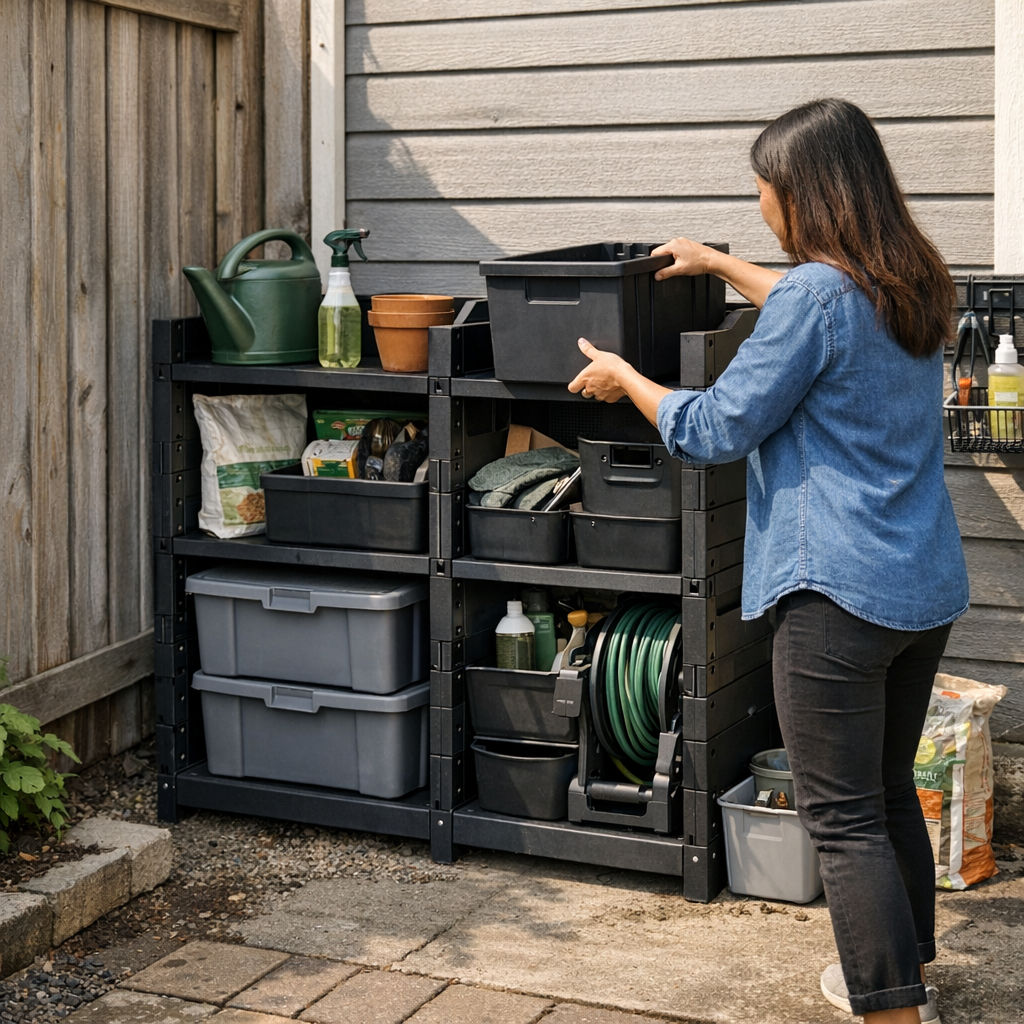
Gridry’s bathroom and linen storage, modular systems, drawer units, and slim cabinets are designed to handle these real-use challenges: limited room, mixed use, category drift, spillover, blocked movement, and repeated retrieval. The structure matters—wall or floor systems, underbed and hidden storage, shelves, or narrow cabinets all behave differently once daily routines repeat. Good organization absorbs real tension, resists drift, and reduces the reset burden.
If you’re curious what this looks like in practice, the setups here live that difference quietly: http://www.gridry.myshopify.com