When Blades Drift: Lessons from the Worksite Edge
Reciprocating saw blade life hinges on blade material, TPI choice, and technique; bimetal blades and care double blade life and maintain cut quality.
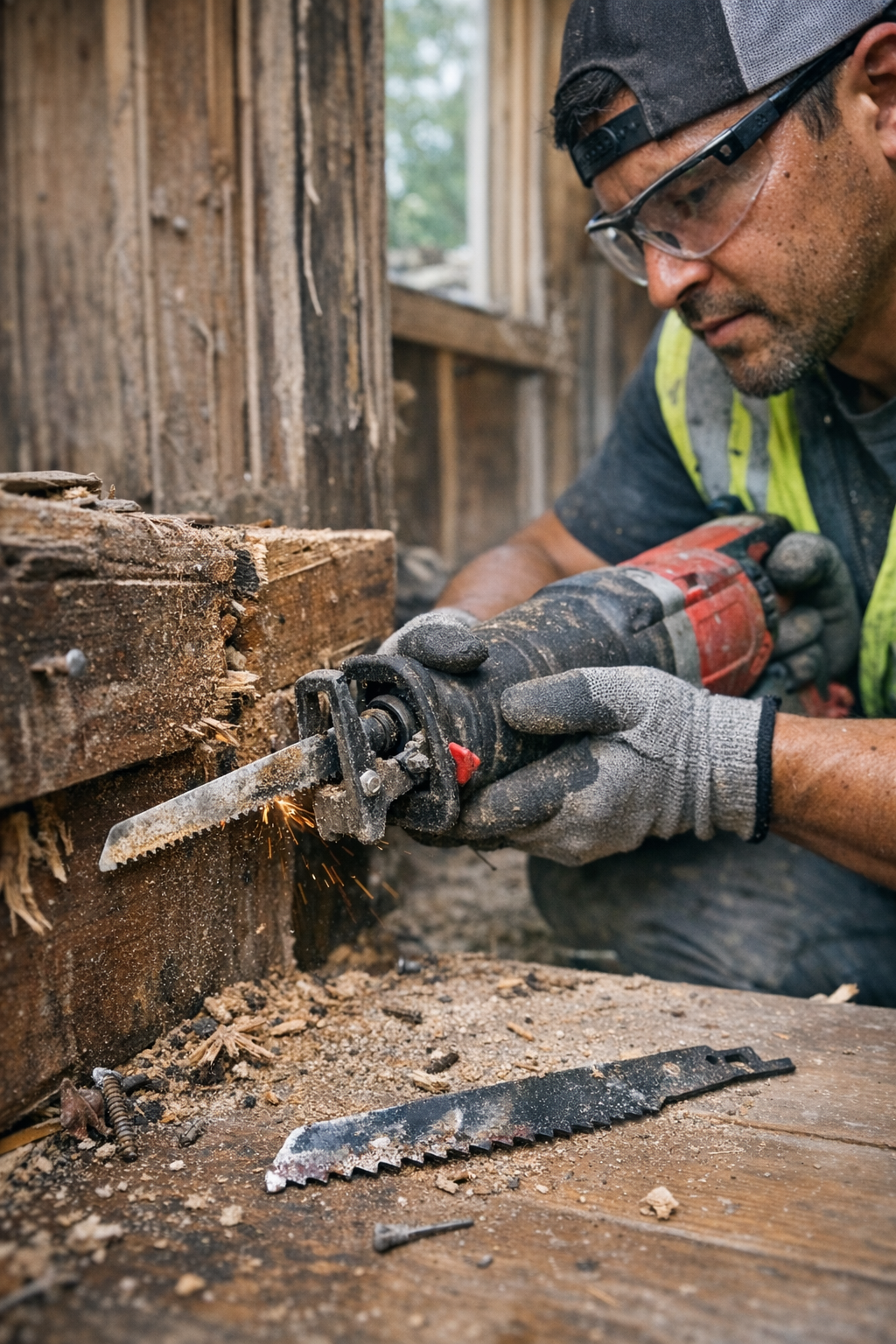
There are little moments when a tool, once taken for granted, breaks your stride. Reciprocating saw blades live and die in these quiet gaps: in the loss of a clean line, in unexpected vibration, in time drifting away while a cut grows stubborn. You only really notice the lifespan of a blade when it begins to falter—never at the start, always somewhere in the middle.
The early signs are easy to dismiss. Teeth still look sharp, the shank still fits just right. Yet, something subtle changes: progress slows, wood darkens, your wrist absorbs a sudden tremor. Most days, the details blur.
But that’s also how most days quietly go off track.
The Difference Hides at First
At a glance, all blades promise the same: a quick, confident cut. New from the pack, they’re indistinguishable—sleek, eager, reliable. It’s only after a few dozen plunges, or the third embedded nail, that their stories split.
You don’t notice it immediately.
But you feel it.
Cut lines start to wander. Where one blade glides, another stutters and burns. Time stretches as a simple job asks for a second pass, maybe more. Suddenly, cleanup isn't a task for later—it’s part of the act, seeped into every stubborn inch.
I saw this difference best while tearing out an old porch late in the season—first with a fresh bimetal blade, later with a cheaper stand-in. The initial cuts came clean, regardless of biting into screws. Then, suddenly, vibration crept in, tiny at first, then constant. By the end, one blade quietly persevered while the other bent and left havoc behind.
When the Work Shifts, So Does the Tool
Longevity isn’t about sharpness alone. The work itself—hidden nails, dust, old resin—works against you. A blade that’s reliable on pine might throw in the towel cutting into dense knots or rusty framing.
You see it as resistance. Heat builds. The blade begins to sing—a higher pitch, strained and thin. Sometimes, cleanup doubles the actual cutting, as rough seams turn up more work than expected.
Still, there’s a gentle sort of lesson tucked in: take shorter strokes, pause more often, and just brush the blade clean every now and then. Without a schedule or rules. Results quiet the mind—a smoother cut, less chatter, a line that stays line.
There’s a kind of patience in it if you let yourself notice.
Little Details Carry More Than We Think
No one ever marks the moment when yesterday’s tool begins to slip—just the gradual shift as effort replaces flow. One day, you’re working. The next, everything takes a little longer.
Yet the smallest changes can restore control. Choosing a higher-quality bimetal blade over carbon steel, minding your pressure, and simply knocking dust loose can turn frustration into momentum. The practical difference is almost hidden: the job ends with a better finish; hands ache less.
Sometimes, the tool isn’t the only thing being dulled by hurry.
I think about that on any long afternoon, when progress slows and the saw begins to fight back. The right blade, matched properly, helps you keep moving, with fewer repairs to the project—or yourself.
These thoughts came together while reworking the posts on that stubborn old porch.



