When Bright Light Still Leaves Shadows at Home
Indoor lighting that seems bright initially can cause shadows and glare with daily use; adjusting fixture type and placement improves safety and clarity.
There’s a moment, usually quiet and a little dull, when you realize the lights you chose for a room haven’t been keeping up with you. At first, the brightness convinces you it’s all working—the hallway feels open, the bathroom mirror is reflective enough, the laundry corner looks presentable. But as the weeks go by, it becomes less about appearances and more about how the light actually supports your daily movements and tasks.
You don’t notice it immediately. But you feel it.
Where Light Falls Short, Over and Over
One thing that keeps coming back to me is how some shadows insist on lingering, day after day, long after the initial brightness has faded.
The classic flush mount ceiling light—so trusted and universal—focuses light in the center but loses coverage around stair edges, hallway turns, or the sides of a laundry machine. Faces in bathroom mirrors often appear uneven, divided by hotspots and dusk-like shadows right where you need clear, balanced illumination. I’ve caught myself pausing at the top of a dim stairwell at night, toes curled against uncertainty. It’s subtle, but still impactful.
These areas need consistent, even lighting to support movement—upstairs, through doorways, beside countertops. Shadows here become part of your muscle memory. A light that only looks “bright enough” at first can leave you straining over time, compensating for uneven coverage.
The Small Adjustments That Change Everything
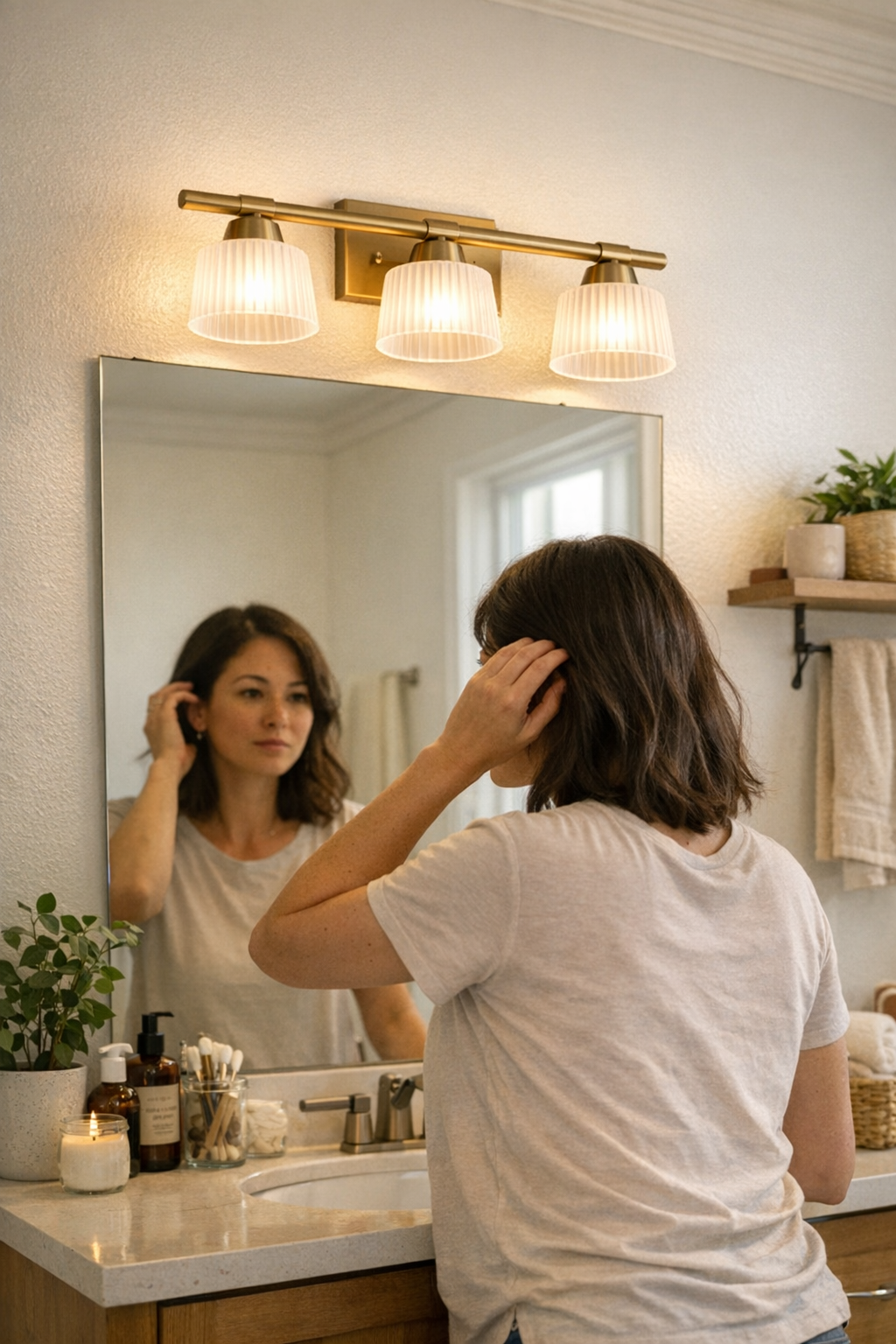
For me, the shift happened when I replaced a ceiling bulb in a narrow stairwell with a semi-flush mount fixture designed to spread light wider. Suddenly, corners and edges became visible, even at night. In the bathroom, adding a hardwired wall sconce at eye level and slightly off to the mirror’s side—often overlooked—made a notable difference. Shadows that once made my reflection unclear simply disappeared.
In the laundry area, installing a fixed task light aimed directly at the countertop below the upper cabinets cleared up the workspace. Stains, socks, and buttons appeared true to color. The fixture itself wasn’t as important as the fact that the light actually hit the task surface evenly.
What matters most is where the light reaches, not just how much light is in the room.
Noticing What the Light Lets You Do
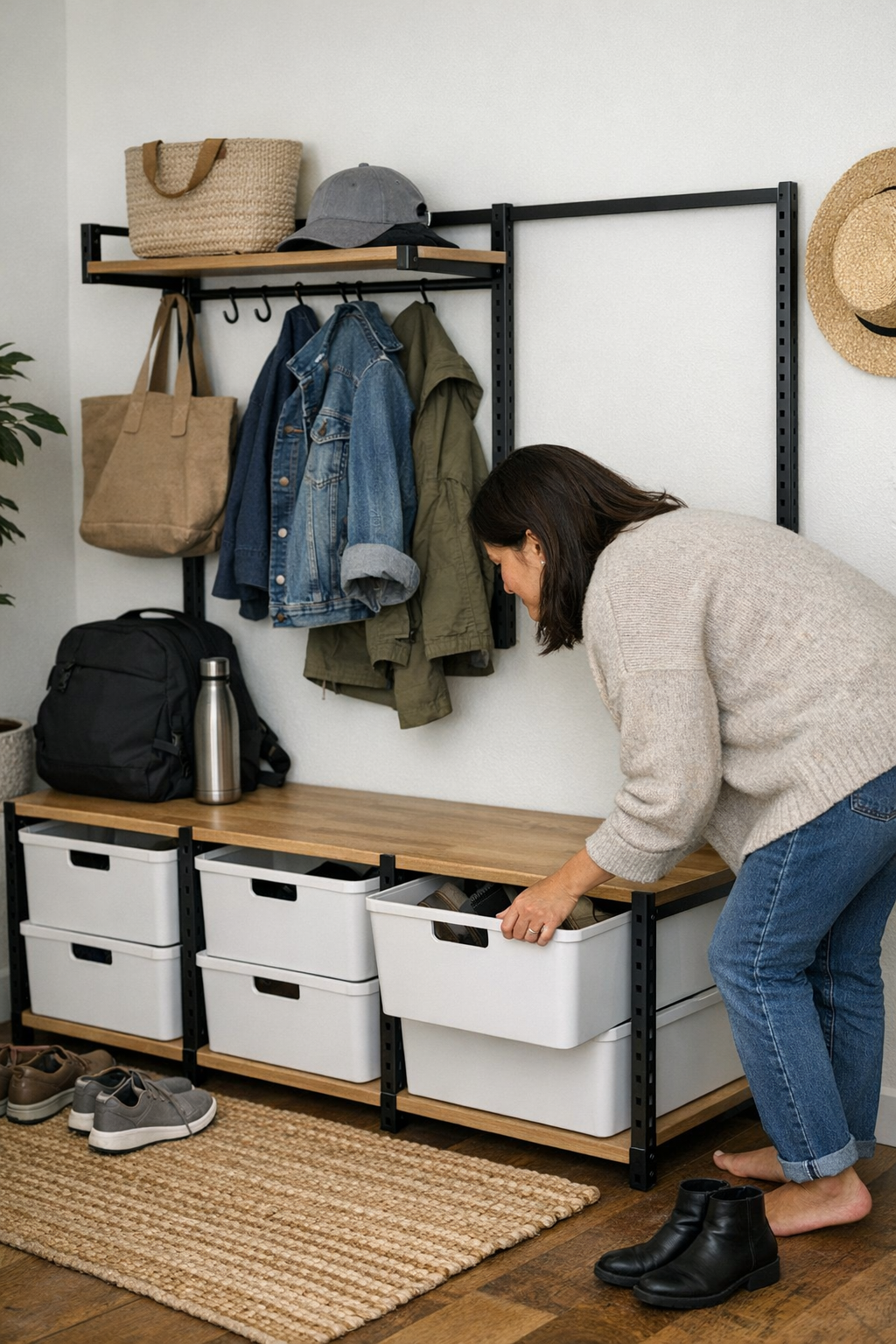
There’s a feedback loop between how you move and where light falls. Some evenings, I notice a slanting shadow by the entryway and realize how often I step around it without really seeing it. Lighting rarely announces itself as a problem or solution; its quiet presence—or absence—shapes your experience. A space that supports movement without forcing hesitation changes what you expect from coming home.
Whether it’s the uneven patch under a cabinet or the hesitation at a stair turn, when light truly fits the rhythm of your routine, you notice the absence of distraction. The room stops making you slow down.
I still find myself testing these observations as I move through the house—hand grazing the wall, a glance at the mirror, or steady footsteps on a stairway edge. There’s always another shadow to address, another spot where better lighting can start helping again.
For anyone who returns to these small but real lighting challenges, there’s more to explore at LightHelper.