When Closet Shelves Tell Stories of Daily Life
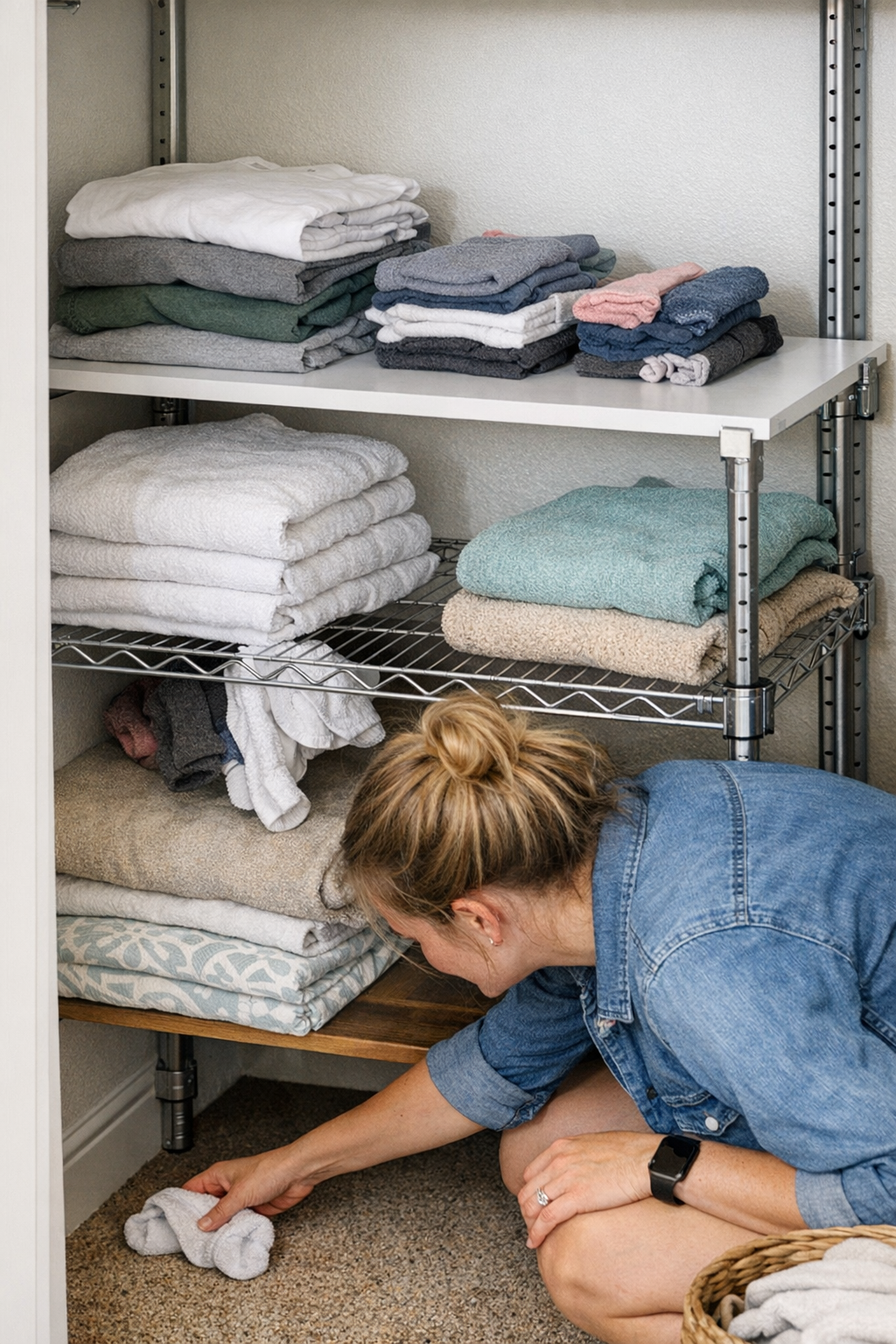
The choice between wire and solid shelving impacts daily use: wire shelves allow airflow but lose small items; solid shelves hold stacks stable but can trap moisture.
It Feels Like Just a Shelf (And Why That Matters More Than You Think)
I used to think a closet shelf was just a shelf — if it looked tidy, that was good enough. But daily life has a way of revealing the tiniest design choices, often when you least expect it.
I didn’t notice much about the wire racks or solid boards in my closets until those small annoyances crept in. A favorite pair of socks slipping through the wires. The way piles of shirts always slid to the side. Or, on solid wood, that stale scent of towels left too long without air, the hidden heap you discover only when you need something in a rush. It’s only when the system disrupts your routine that you start paying attention to the kind of shelf that holds it all together.
The Everyday Test Begins Quietly
At first, wire shelving seems efficient. The open lines feel breezy — you can glimpse what’s down below, air flows freely, and nothing gets musty. But then, little things start to go missing. A scarf falls through to the floor. You rescue socks with your fingertips from the gap at the back. There’s a certain frustration that lingers, barely noticeable, yet always there.
Solid shelving is different. Everything lands on a flat, stable plane. No more dropped pillowcases; shirt stacks sit neatly, ready for the day. But another problem starts to show up: air doesn’t move. You reach for linens at the back and realize they’ve picked up a musty edge. Items stay out of sight longer, too. That unexpected midweek search for a missing T-shirt is met with a leaning pile and a sense that the closet’s order is only surface deep.
Pause and Rethink What You Touch
You don’t really know a shelf until you’ve lived with it. There’s the hallway closet after laundry day, stacked to perfection—and then the slow unraveling as mornings pass. With wire, you’re tidying the floor more than you hoped; with solid, you’re chasing the odd smell or losing items in the back.
It’s the real-life interruptions that clarify what matters. I found myself, eventually, combining both: a solid shelf at the top (with just half an inch left open at the back for air), wire underneath for towels and the things that dry best with a breeze. Stacks stopped collapsing. The time spent fixing, searching, or restacking shrank. At some point, organizing became less about the shelf itself and more about how easily my day started.
Everyday Routines, Small Shifts
There’s something strangely personal about the way you reach for a folded shirt, smooth out clean towels, or hunt for that one missing sock. Minute frustrations build; then you tweak the setup, and the relief feels outsized. The difference comes not just from the rigid wood or open grid, but from how each fits the little rituals of life.
You don’t notice it immediately.
But you feel it.
Maybe there’s no truly perfect shelf—but the one that meets you where you are, distraction-free, changes more than you’d expect. Sometimes, the tiniest shift in design is what makes all the difference in how your day unfolds.
These reflections came to me in a quiet moment, resetting my own linen closet: if you want more gentle insight, I found this guide helpful.



