When Closets Reveal More Than They Hide
Drawer modules reduce hidden overflow and category mixing versus fabric bins, making closets easier to reset and maintain daily.
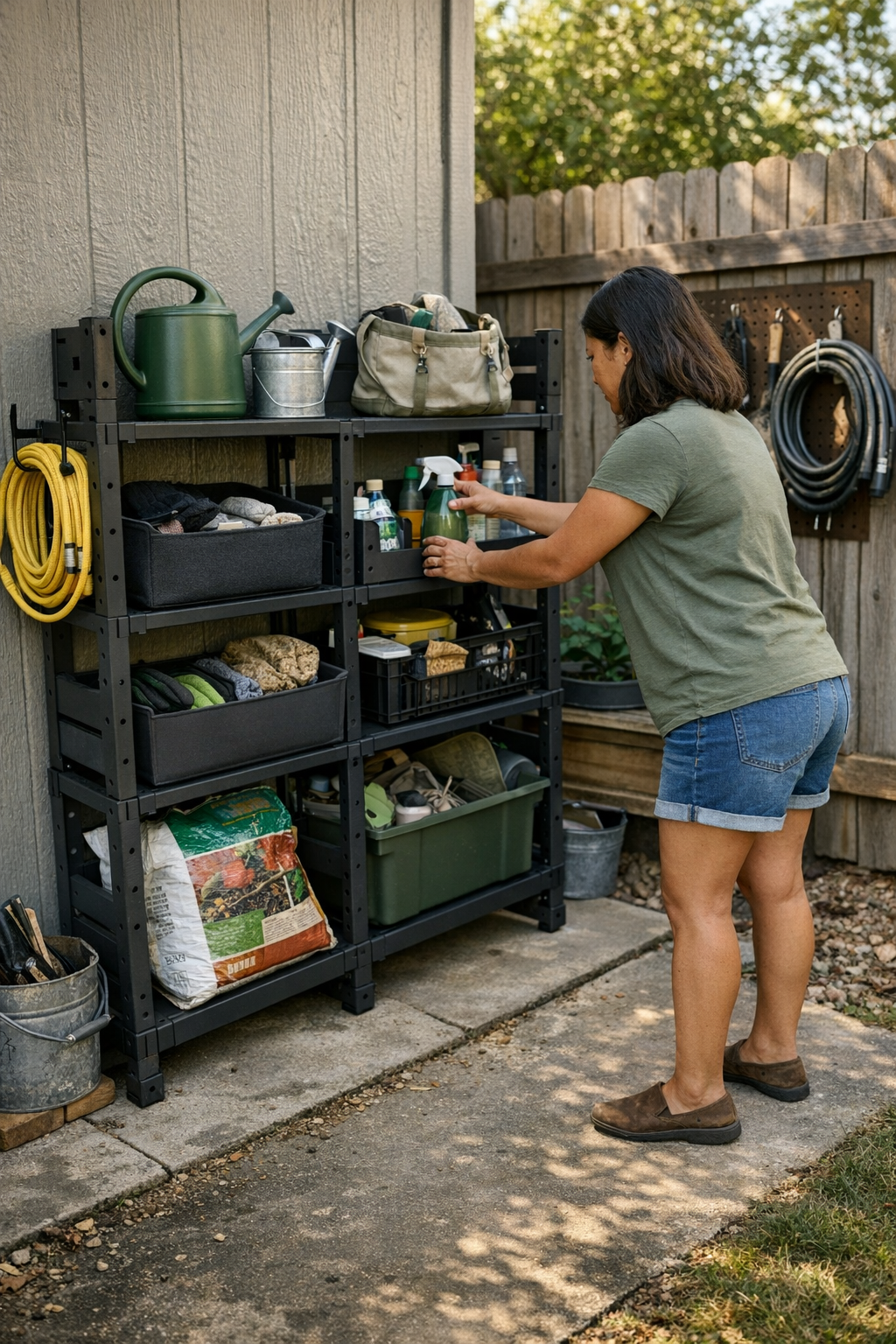
You get used to the look of things being in the right place, tucked away in clean grids behind a closet door. At a glance, a row of fabric bins softens the mess of daily life—one for socks, one for scarves, everything easy to sweep from view. I thought I’d solved the problem. But after months of living with bins, the feeling changed. Most mornings, I’d dig through by touch, not sight. The categories didn’t hold. And I realized this small discomfort added a subtle friction I only noticed over time.
Boundaries That Don’t Quite Hold
It’s a detail that seems harmless at first. Bins swallow what’s put in them, compressing layers until the boundaries blur inward. Socks drift into corners, shirts end up folded with things they don’t belong with. Nothing spills out, but reaching for one thing pulls up three. You don’t notice it immediately.
But you feel it.
After a while, routine retrieval stops going smoothly. The outside stays orderly, but inside, shapes collapse, and finding anything becomes slower than it appears.
Drawers That Reset Themselves
Modular drawers changed how the closet worked for me. With a single pull, the drawer holds only what fits, and the line between each type of clothing stays clearer. Something about the hard edge—a gentle pushback—keeps overflow from hiding. Instead, when things don’t slide easily back into place, I feel it right away.
It’s not about never being disorganized, just noticing it sooner. The small act of closing a drawer presses the pile back into a straight line, the division between sections reasserted with each use. Cleanup shrinks from an event to a simple gesture. That was the part I kept coming back to.
The Shape of Small Changes
Eventually, the habit deepened. Each category—underlayers, tights, accessories—found its own zone, slim drawers stacked just high enough to sweep a hand across. If something didn’t fit, I’d pare back rather than force a jumble. There’s an honesty to it: the contents can only fill the space, and the drawer won’t pretend there’s order where there isn’t.
It’s a quieter kind of organization—more work up front, almost none each day. I didn’t expect the most useful storage would be the one that made the hidden mess harder to ignore, and the reset effortless.
If you want to see more of how these modular setups work in daily life, there are quiet examples here: http://www.gridry.myshopify.com



