When Dust and Fatigue Blur the Lines of Precision
Anchor depth measurement with hammer drills is easier and more reliable using tactile stops or collars rather than tape, reducing rework and errors.

In the calm before a workday, most of us don’t dwell on the little things that hold everything together. Anchor holes, for instance. It’s easy to assume they’re all the same—until one anchors shy of flush, or a bracket wobbles when it should sit firm. These small details fade into background noise, right up until a minor oversight interrupts the flow of your project. Depth, it turns out, is not just a number.
Anchor depth with a hammer drill. It sounds simple, but edges into your day in ways you only see in hindsight.
The Disappearing Certainty
At the start, your tape mark stands out—bright against the gray spiral of the bit, each hole a small, well-aimed intention. Maybe it’s early, maybe the shop’s still quiet. You line up each anchor with sharp eyes and a clear mind.
But that certainty fades.
You don’t notice it immediately. A film of concrete dust dulls the tape. The rhythm of repetitive drilling wears away at your marker, until somewhere along the line, you’re just aiming by memory.
That’s when the slip-ups begin. Holes a little shallow. Anchors refusing to seat. There’s a stubbornness to the work now, a drag on the pace, and the easy confidence of the morning gives way to slow frustration you didn’t see coming.
When Familiar Methods Drift
It always seemed like tape or a quick visual check should be enough. Plug in, mark the bit, go. On a clean, easy job, it works—mostly. But jobs rarely stay clean or easy for long.
In the real world, dust clings and tape slips; what once looked crisp becomes guesswork. This isn’t obvious in your first few holes. But over a dozen, then two dozen, the problem grows. Mistakes don’t announce themselves all at once. They just quietly add up, one anchor at a time.
It’s strange—such a small thing as depth control, so easy to brush off in the moment, can change everything about how the day ends. Nobody aims for extra work. But by the time fatigue creeps up, fixing shallow holes or forcing anchors flush just adds another layer to an already long day.
The Feeling of a Pause
One day, I tried a different approach—a plastic collar fitted to the bit, set to the spec’d depth. At first, it felt like overkill. But after an hour in thick dust and fading light, the value became obvious.
You don’t notice convenience when it’s working well. The collar didn’t care about dirty air or worn-out tape; it was just there, stopping the bit at the same spot every time. Work found its rhythm again, and all those small corrections simply faded away.
That shift—from trusting your eyes after fatigue to trusting a tactile stop—quietly reshapes the outcome. It doesn’t guarantee perfection, but it shields you from the subtle slide that turns a simple job into a drawn-out repair.
Sometimes, it’s not about effort; it’s about knowing which detail keeps the rest of the day from unraveling.
It’s strange how such minor adjustments carry weight over time. Every steady anchor helps, even if no one notices right away. Work teaches its own quiet lessons—usually after the dust has settled.
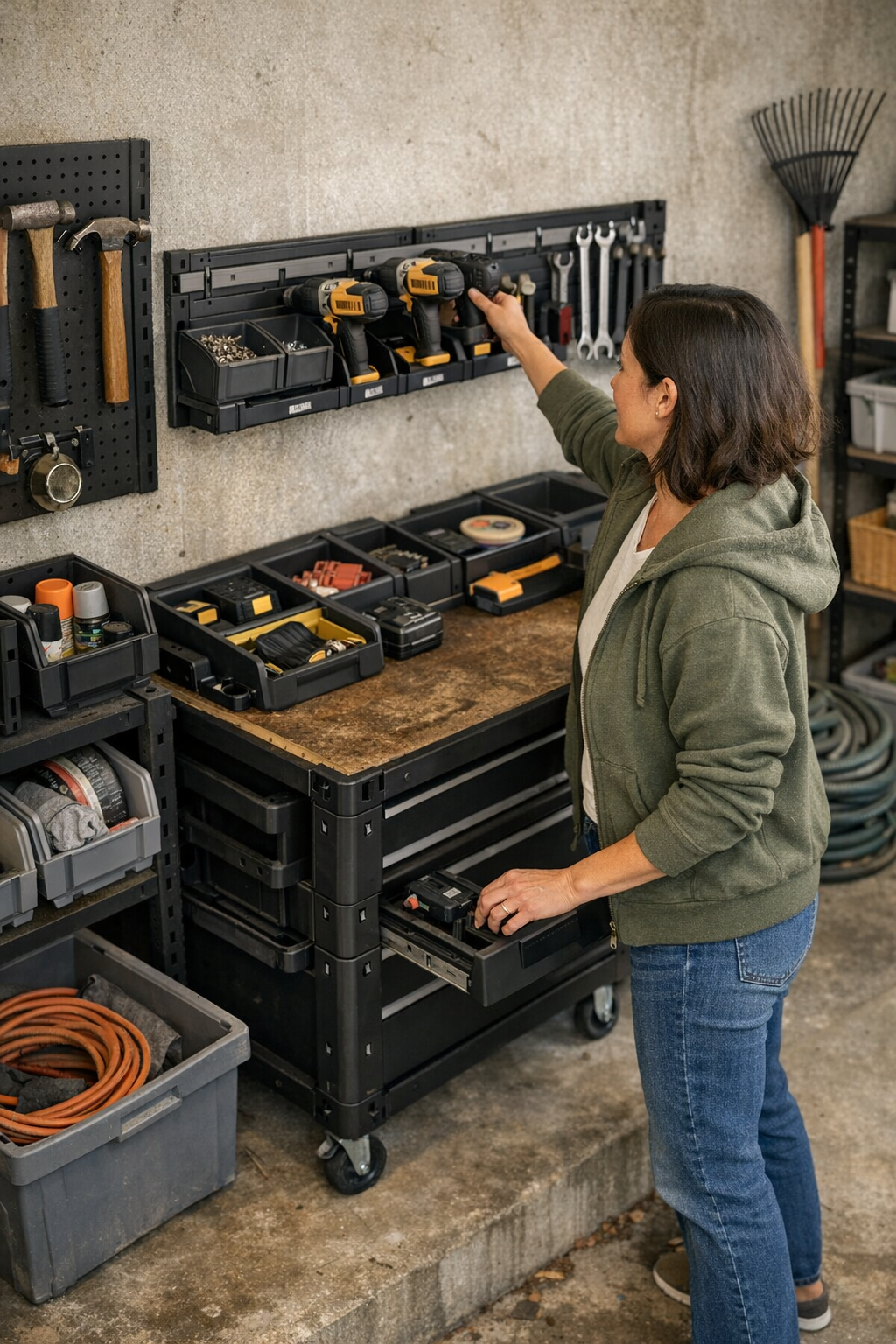
These thoughts came together while sorting tools after a job that ran cleaner than most.