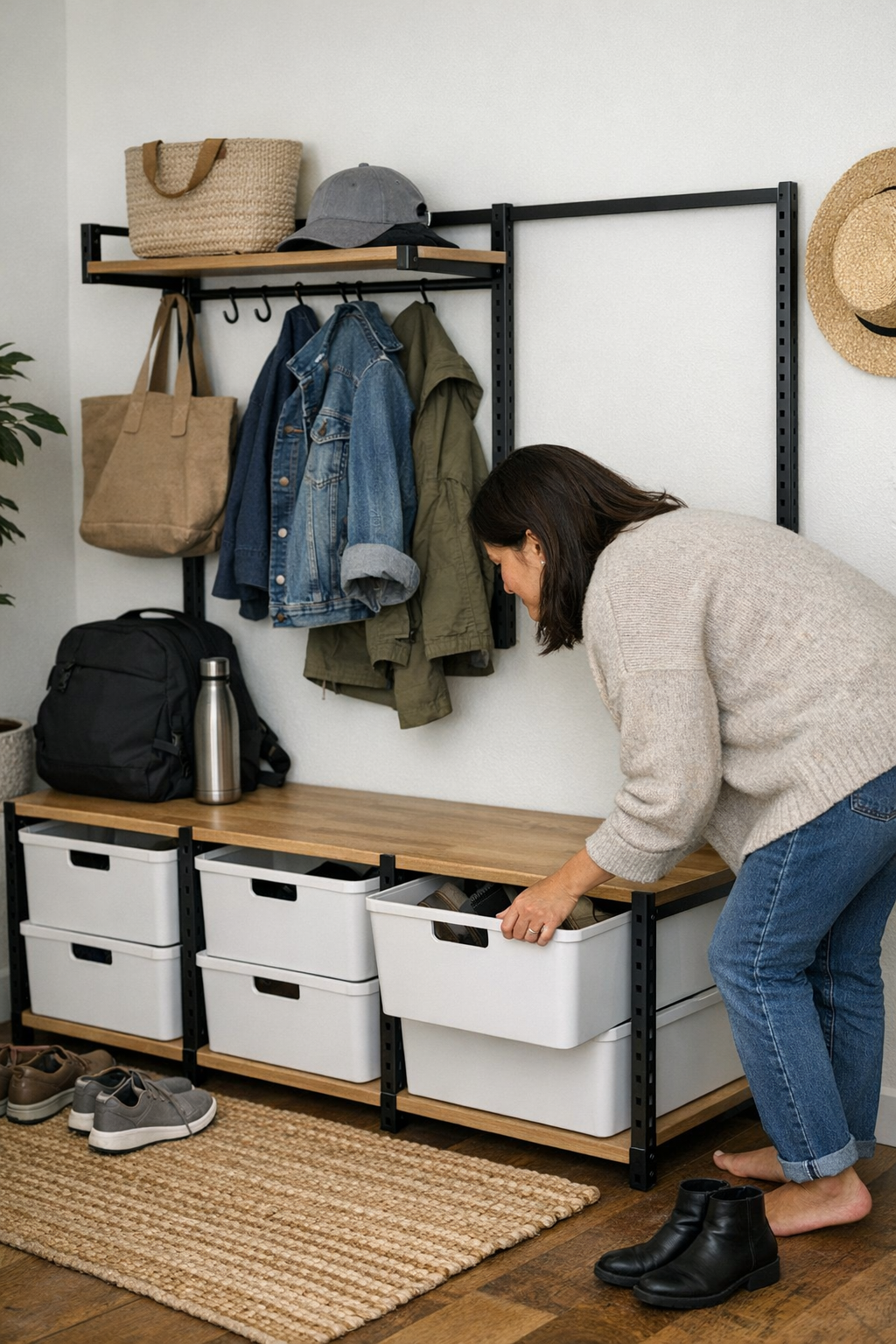
When Entryway Light Shapes the Flow of Home Life
Entryway lighting isn’t just fixtures—it’s about seeing, grabbing, and moving without glare or clutter disrupting daily routines.
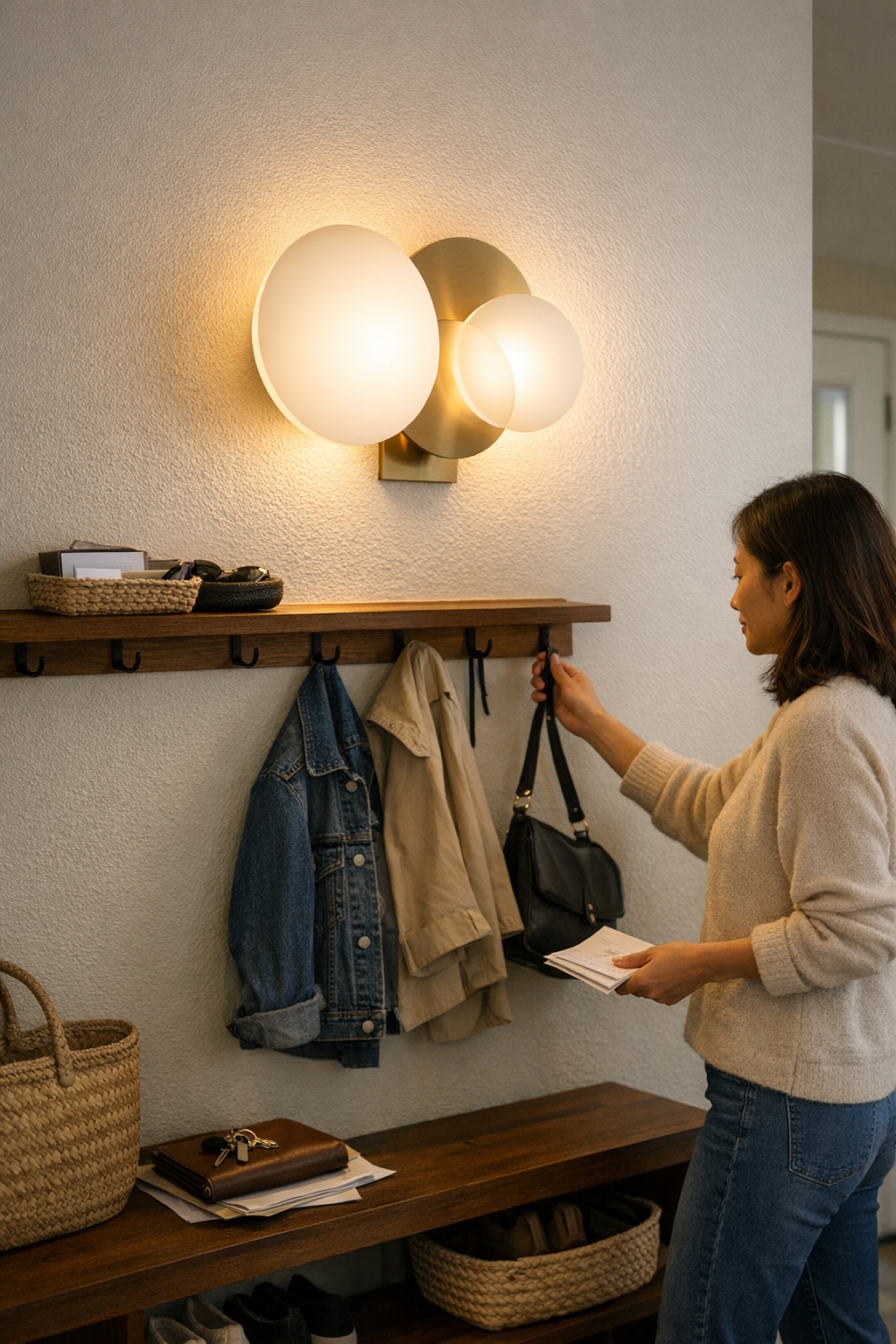
There’s a certain illusion on the day you switch on a new entryway light. The space feels fresh, maybe a little more your own. But hidden in that soft first impression can be the seeds of what you’ll notice over time—keys disappearing in half-shadow, or a bright line of glare landing just above the door handle, making every exit just a little harder than it should be.
I started thinking a simple ceiling fixture would settle everything, but what felt organized at first soon showed its practical limits. You don’t notice it immediately, but you feel it.
Glare, Shadows, and Where Routines Fall Apart
Routine reveals the real difference. Overhead-only lighting tends to cast harsh light straight down, reflecting sharply off shiny floors, while missing the dim edges where shoes or bags usually rest. By midweek, the cables I’d tucked almost invisibly along the wall started to stray, and corners of the bench slipped into shadows just as mornings turned busy.
This was the part I kept returning to—the long stretch of exposed cable near the door, and how often a dropped key or lost glove sent me groping in the dark patch behind the coat rack. It wasn’t dramatic, just the accumulation of small hesitations each time regular life passed through the room. The right light isn’t always the brightest fixture, but one that clears away what gets in the way.
Living Through the Cables and Brackets
Once these routines take hold, any gap in support stands out. An overhead fixture—even one softened with a diffuser—can place glare exactly where your hand reaches for something. Makeshift plugs and loose cords inevitably work themselves loose, especially on busy days.
I tried a slim wall-mounted LED strip, with its cable bracketed tightly behind the coat shelf. The difference wasn’t just that it brightened the area under the rack. It was how the zone between floor and hand was free of small, persistent shadows. No more tripping over cables, no more blind spots at the bench’s edge. It simply worked, often without drawing attention to itself.
Clarity Quietly Accumulates
Some setups look resolved before you live with them—real routines expose what slips. Lighting support, at its best, disappears into the rhythm of coming and going: no glare, no tangled cables, no paused moments searching dark corners.
It doesn’t shout for attention. It just quietly keeps things clear.
Sometimes, when I want to see how others approach these details, I visit spaces like lightsupport.myshopify.com.