When Every Tool Finds Its Place Again
Consistent docking for modular storage ensures easy resets and prevents clutter, keeping workspaces functional and organized daily.
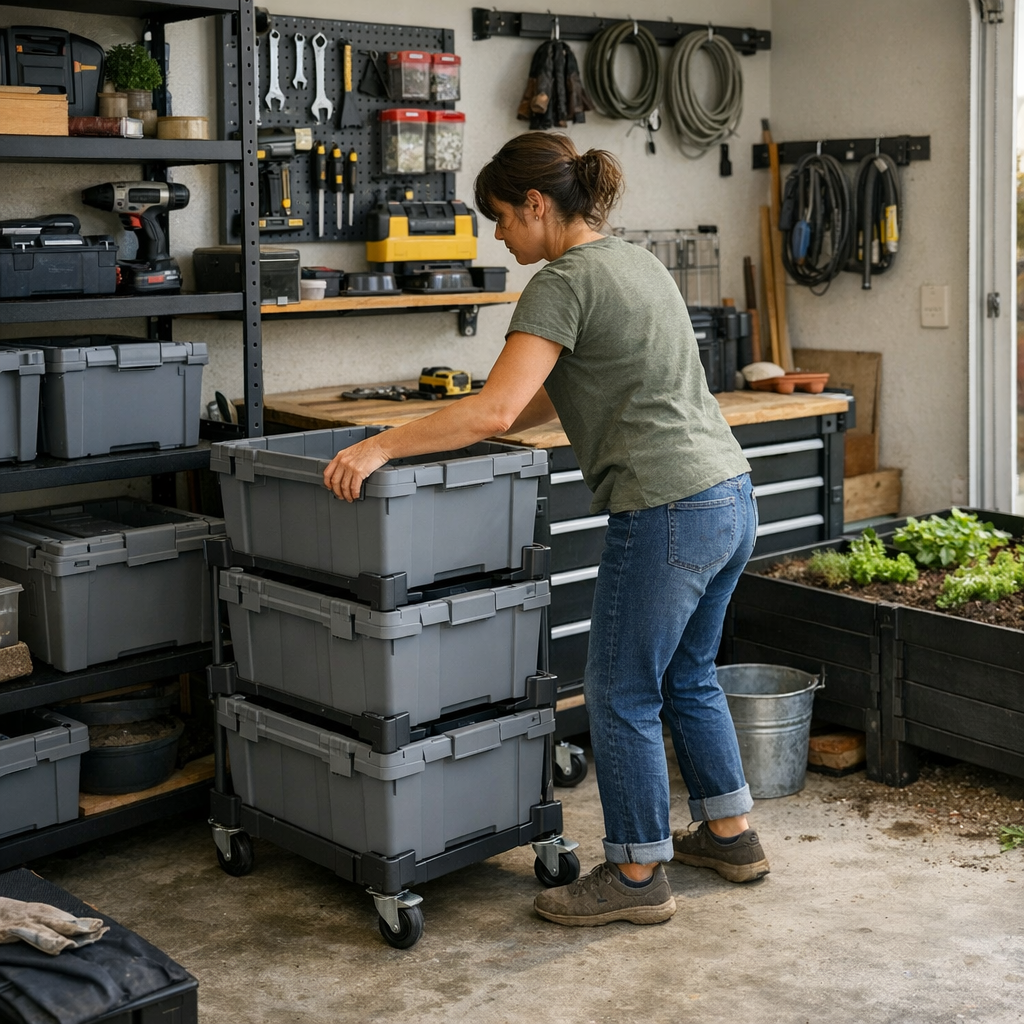
It’s easy to overlook small rituals—until life gets cluttered and the flow of work slows down. In garages, workshops, backyard benches, or any small workspace, I often didn’t pay close attention to where things “belonged.” A bin here, a rolling cart there. But after enough cycles of pulling tools and tidying up, one simple truth became clear: where each piece returns sets the tone for everything that follows.
You don’t notice it right away.
But you definitely feel it when movement and flow get interrupted.
The Point Where Chaos Creeps In
The difference between a corner that grounds you and a space that quietly stresses you out often hides in repetition.
Watching garages, workshops, and backyard setups over time, I’ve seen it happen consistently. On day one, every bin or cart sits neatly lined up, labels crisp and floors clean. But with daily use, chaos creeps in. If there’s no clear “dock”—an unmistakable home for each module—order erodes bit by bit. Items get placed almost back where they belong, but not quite. Fast hands push bins nearby, carts shift a bit off course, and before long, overflow tucks into odd corners.
It sneaks up quickly. That first week of tools slightly out of place, carts drifting off their spots, and every reset takes longer. The work starts with shuffling things just to access what you need.
The Subtle Shift of Anchoring
One afternoon, I tried something different. Instead of stacking tools randomly, I chose distinct docking spots for every cart and rack—simple, consistent edges or marks to aim for. Gradually, everything began clicking back into place after each session. A cart stopped in the same spot, rails settled flush, and overflow disappeared from the door.
The space felt easier to use. There was no guessing about what belonged where. Resetting became quick, almost automatic.
It wasn’t about discipline or a big overhaul—just a repeatable anchor. Something as simple as a cart’s wheel landing on a piece of tape or a shelf’s edge resting against a stop.
And over time, the routine held its shape.
Keeping the Flow Moving
Looking back, the messy spaces rarely suffered from lack of shelving or storage. They just lacked these small, consistent return paths. Every hesitation or shuffle added friction.
What keeps a workspace calm isn’t how it looks right after a deep clean, but how easily it recenters after the next project flurry.
A module consistently returning to its dock isn’t about tidiness alone—it’s about smooth movement and low friction. It’s about keeping access clear, avoiding the hassle of navigating yesterday’s overflow.
Sometimes, the anchor is just a label, a piece of tape, or a small block in the corner. Sometimes, it’s the quiet habit that things come home to the same spot, again and again.
Spaces don’t stay organized by accident. They learn, quietly, from the habits we keep—or let slip away.
These thoughts came together while rearranging benches and modular storage in my own garage, where mobile carts, wall-mounted racks, and floor-based bins all benefit from clear, repeatable return spots.



