When Everyday Dog Greetings Disrupt Our Home Rhythm
When dogs expect to greet everyone, care routines spill over into repeated distraction and mess, making daily care much harder.
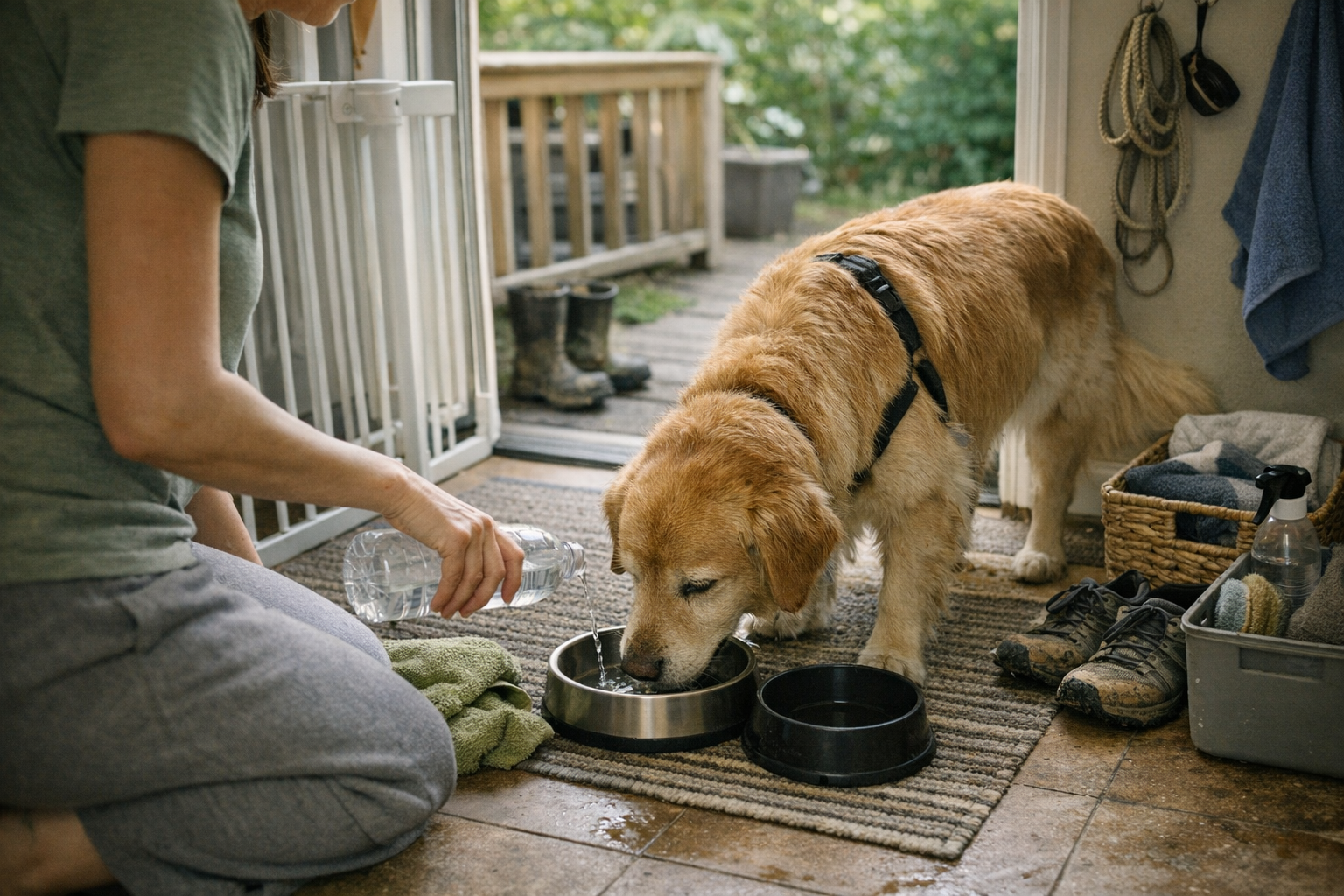
There’s a particular moment—maybe it happens during the same hour every day, or maybe only when both dogs and people are running late—when a simple care routine starts to feel offbeat. One thing knocks another loose: a water bowl tipping, a small trail of food by the porch, a towel moved and left where it shouldn’t be. It’s an ordinary scene, but living with it, the repetition becomes impossible to ignore. Not the big problems, just the recurring little ones.
The days when the dog greets someone at the door are the days routines get rearranged most. Something as basic as refilling water or cleaning a bowl shifts by a few minutes, but that delay lingers. It becomes easy to spot how every greeting becomes part of the cycle: hello at the threshold, back to the bowl, then pausing again to mop up the kitchen. You notice it after a few repeats.
How It Gathers in the Corners
Routine isn’t only about the walk or the meal. Sometimes, it’s about the spill that follows excitement, or the stray toy that ends up by the entry step. The small details stack quietly—a refill here, a wipe-up just one step too late, the missing treat bag that should have been by the door but somehow isn’t. That was the part that kept returning. The setup looks calm in the morning, but by late afternoon, the effort feels doubled.
I kept finding myself resetting the same spaces: porch mat adjusted, bowls collected, floor wiped again for tracks nobody planned on. These aren’t dramatic setbacks—just little reminders that the difference between a space that “looks” manageable and one that truly is comes down to how often you have to do the small reset, usually while thinking you’re nearly done.
The Loop that Sneaks Up
For a while, I thought the greeting habit was the real problem. But it wasn’t just the excitement at the door; it was the way each disrupted moment carved out another reset just afterward. Cooked-in routines, once smooth, started picking up noise: one more trip for the water bottle, bending to collect dropped food before someone tracked it through the hall, realizing the grooming brush ended up in the wrong bin again.
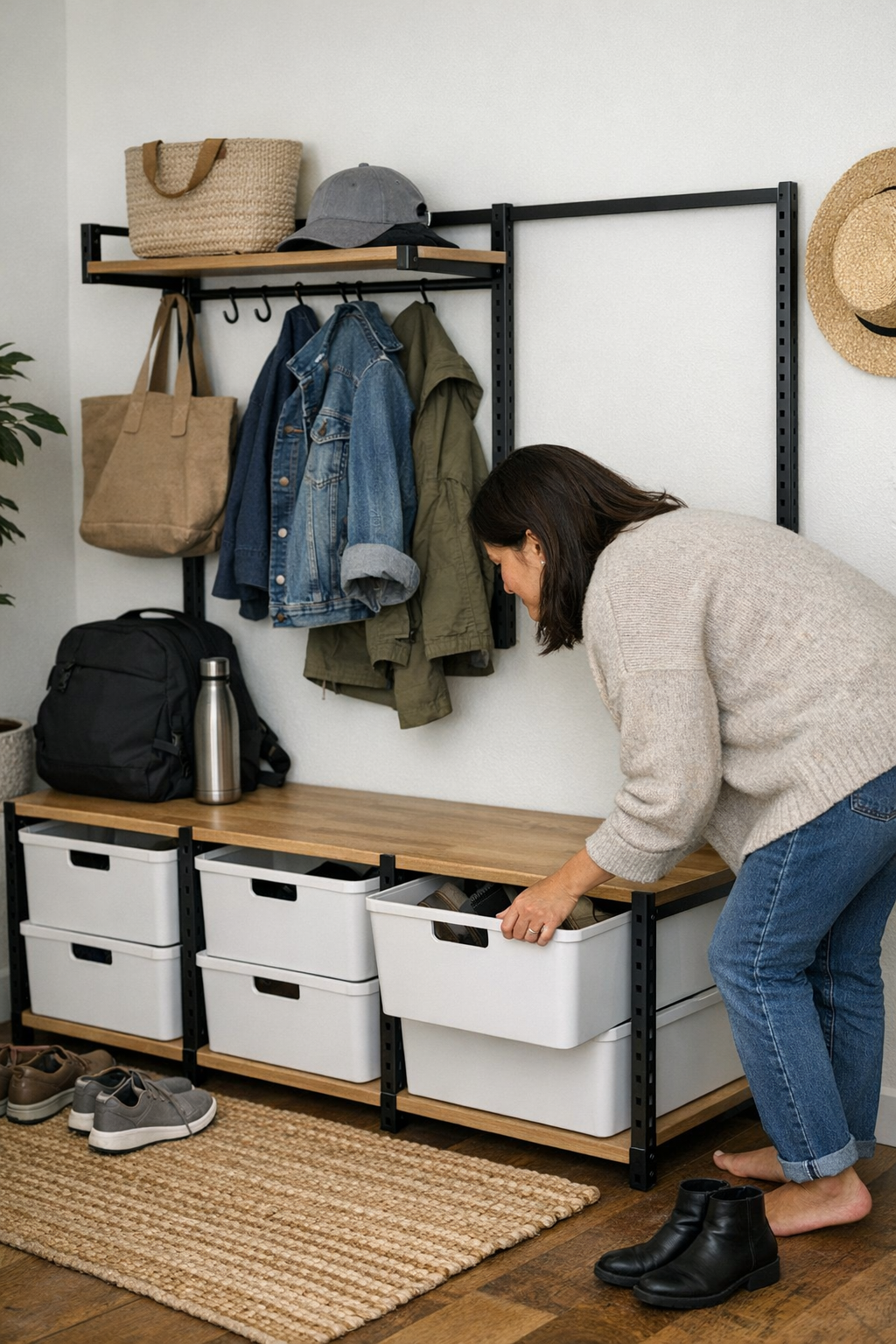
After enough mornings, I stopped looking for a perfect calm and started making a few changes closer to where the interruptions happened. A small barrier by the door, the water bottle left in the entry cubby, a washable mat underfoot—not for decor, only to catch what might slip by. The new rhythm wasn’t flawless, but it didn’t fight with the day’s momentum anymore. That made every repeated cleanup feel a little less like starting over.
A Quiet Practical Shift
There isn’t magic in one solution. But anchoring a couple of essentials exactly where the friction happened made all the difference—not by eliminating mess, but by making resets smaller, quicker, and a little more forgiving. The bowl still needs filling, the floor still needs a wipe, but the interruption doesn’t have to spill out everywhere.
Some days, I still find a stray treat on the porch, or another towel out of place. But the routine—a little more contained now—asks less of me with every pass.