When Everyday Dog Routines Feel Unexpectedly Heavy
Repeated hesitation like a dog pausing before the door disrupts routines; adjusting setup locations restores smooth flow and comfort.
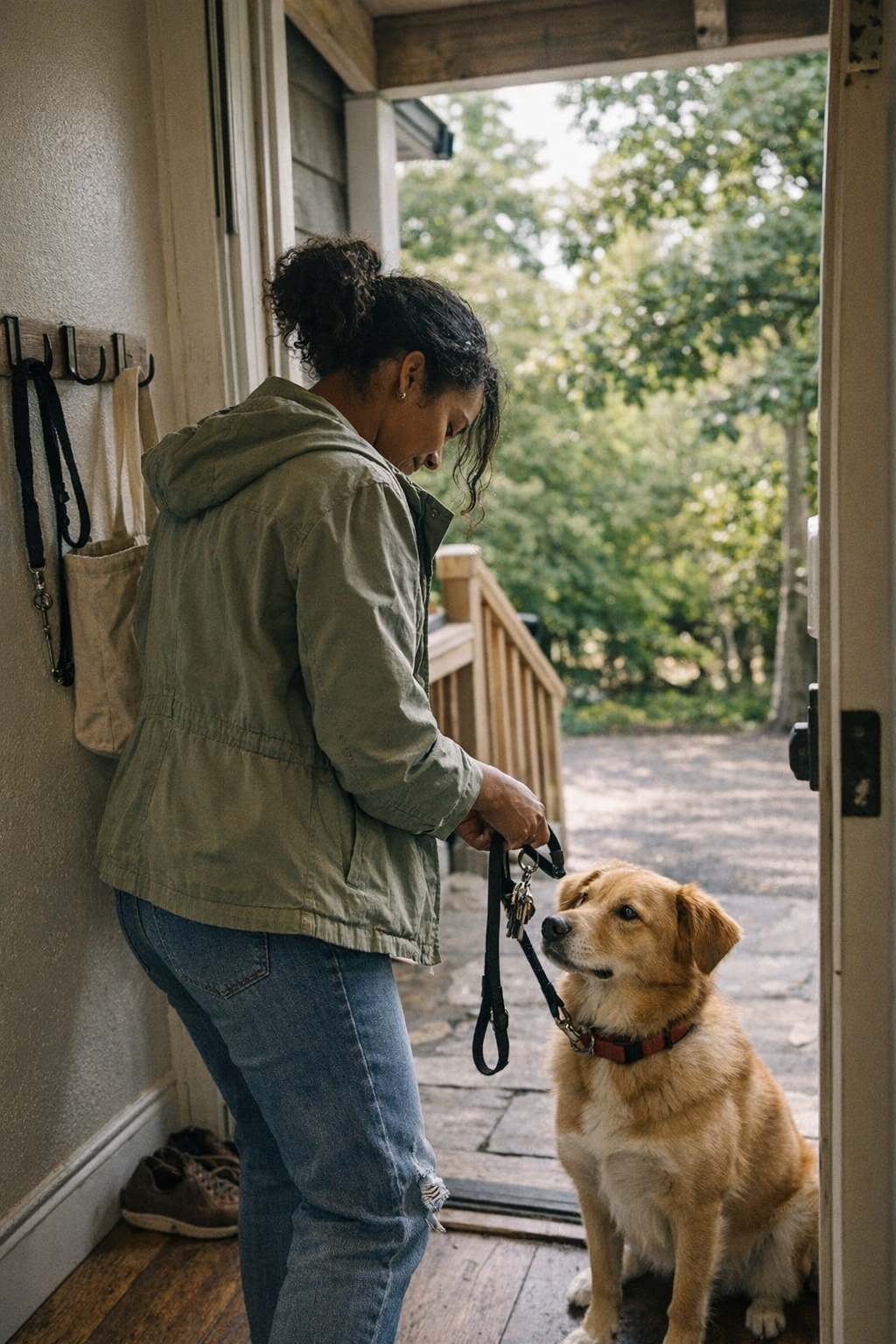
You only notice the pattern after it’s happened enough to irritate you. Not an outright problem—nothing big enough to blame, really—but the same awkward detour every morning, or the small wait you didn’t plan for right when you thought things should smooth out. For me, it was the latch on the crate door, slightly out of alignment after weeks of everyday use. The first few days, I didn’t register the extra half-second fiddling with the lock. But after a week, every rushed exit or damp return from outside pressed into that moment until it became its own bottleneck.
There’s always one spot that doesn’t work as smoothly as it looks when everything’s still. A leash that’s a little farther from the door than planned, a water bowl nudged too close to the wall so the edge collects a mess, or the same two toys forever underfoot by the hallway you need clear. You solve each, sort of, as it comes—but the interruption keeps coming back in new versions. That’s how the rhythm of the day gets disrupted before you even realize something needs changing.
The Difference Between Neat and Easy
On a fresh cleanup pass, things look right enough—the bowls lined up by the kitchen entry, the towels freshly folded, the rest corner fluffed just so. But living with those arrangements tells a different story by the end of the day.
You notice it after a few mornings: the bowl that looked tidy stays in the way when you’re passing through arms full of groceries, or the leash always ends up tangled with your umbrella in the entry basket. A setup that seemed sensible when calm transforms once routine hits—when shoes drag in grit after a walk, or a wet dog barrels past your attempt to wipe paws at the threshold.
The difference showed up in smaller ways than I expected. It wasn’t about how things looked after I put them in place—it was how often I had to work around them, doubling back for the towel because it was a few steps off, or shifting the bed out of the way for vacuuming because it crept too far into the room overnight. These patterns feel small at first, but over time they build their own drag.
Friction That Builds Without Announcing Itself
That misaligned crate lock became a kind of weather vane. If I was in a hurry, it caught me every time—dog waiting, keys in one hand, fumbling for the right latch snap with the other. It looked fine at first, the kind of imperfection you ignore for days, maybe weeks, until it tangled up your sense of how the morning should run. A friend pointed out that I’d started walking around the crate instead of just opening it. The workaround became the routine, and the routine was slower for it.
The quiet part was how these snags didn’t announce themselves. There was no sudden dog protest or mess. Just a slow thickening of everything: the day’s edges blending a little, every transition losing a few seconds here and there. Instead of one clear fix, I found myself patching over the routine with new habits—always more to remember, never quite crisp.
Eventually, I realized it wasn’t the dog or the crate or the house—it was where I’d let small inefficiencies add up. The easiest fixes didn’t change much visibly: re-centering the bed, shifting the crate by a foot, swapping the bowl side for better reach when squeezing past with bags. Removing those small, repeated snags did more for our pace than anything I could have bought or cleaned.
The Quiet Value of Small Adjustments
There’s a kind of patience that comes from noticing these friction points without trying to erase every imperfection at once. The daily return to routine is where the real comfort lives—between the walk and the wipe-down, in the moment your hands are already full but you still need the leash, or when a single detail you set up last week now quietly saves you.
It’s not dramatic, but it matters. The crate latch I finally adjusted clicks into place now—the pause at the door is gone, and I barely remember the hassle except in the feeling that this particular morning is a bit easier than the last. The difference, after all this repetition, is less about perfection than about the invisible ease of one less snag in a day already full of them.