When Extra Shelves Turn Into Everyday Clutter
Increasing storage without considering access and clarity can create confusion and repeated decisions in daily use, reducing effectiveness.
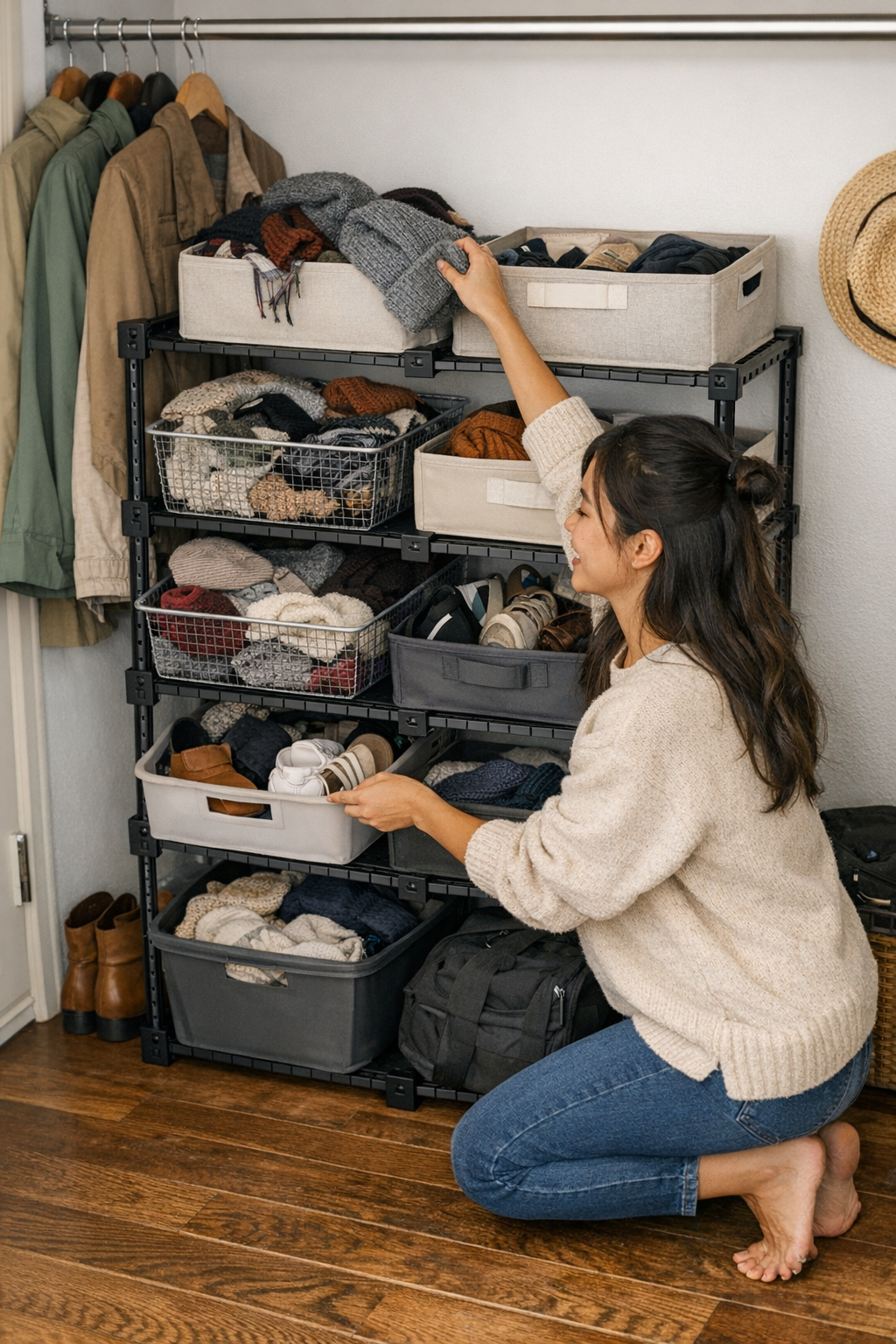
There’s a quiet satisfaction when you first stand back and admire a freshly organized closet or utility space. Every shelf loaded, every bin labeled—the visible promise of order. At first, it feels lighter and easier. But after a few days, something subtle shifts. You notice small pauses where there weren’t any before. The easy rhythm of putting things away starts to lag, and you find yourself lifting lids or opening baskets, wondering where that one scarf goes this time.
It’s not just clutter anymore. It’s how extra storage changes how we move and decide, often in ways we barely register. The whole setup, meant to help, sometimes sneaks in new complications.
The Hidden Weight of New Bins
Adding an extra basket or shelf feels simple enough: more compartments equal more room—until it doesn’t.
You might not notice it at first. The overflow vanishes from the floor, and open spaces are suddenly tidy, every object disappearing behind a neat façade. But the first week brings a slow reveal. The bath towels drift toward the shelf meant for gym bags; scarves multiply and wander through the system.
The oddest thing is how quickly the brain registers the new decisions. Three baskets for loose accessories, each labeled but overlapping just enough that you hesitate before choosing. None of this feels urgent. But you feel it.
Where Order Bends
A hall closet packed with double the shelves and containers was as hopeful as a clean notebook. But daily life is stubborn. Winter hats end up in the shoe bin, scarves stack on the wrong shelf, and each reset demands a small moment of second-guessing: “Where does this go now?”
It always looked organized at first. What’s different is the drag—not in appearance, but in the slow erosion of easy routines. The space is full, yet you work harder to keep it that way.
There’s a kind of friction that creeps in when storage multiplies without clarity. The line between categories blurs. The shelf-edge, once so distinct, gets fuzzy as items migrate and boundaries fade into each other.
The Gentle Shift That Changes Everything
One rainy weekend, I tried removing the highest two bins, using only shelves I could see and reach in a single glance. Everything changed.
What emerged was a different sort of order—less about maximizing capacity, more about making each category feel obvious. Suddenly, it was easier not to think about where things belonged. The logic of the space became self-explanatory. Resetting took one motion, not three. The shelf edges stayed clear, and that small hesitation disappeared.
Sometimes, the urge to add more is a sign that the choices themselves want to be simpler. We think storage means control, but often, control lies in fewer, more visible boundaries.
It’s strange how adding space can complicate simple routines. The best storage, it turns out, doesn’t just hold more; it gently guides us to put things back without thinking too hard.
These thoughts came together one quiet evening, while reorganizing a drawer after a long day.



