When Familiar Lights Start to Let You Down at Home
Unchecked lighting boxes seem fine but hide faults—shadows, dim spots, or glare—that affect comfort and safety daily.
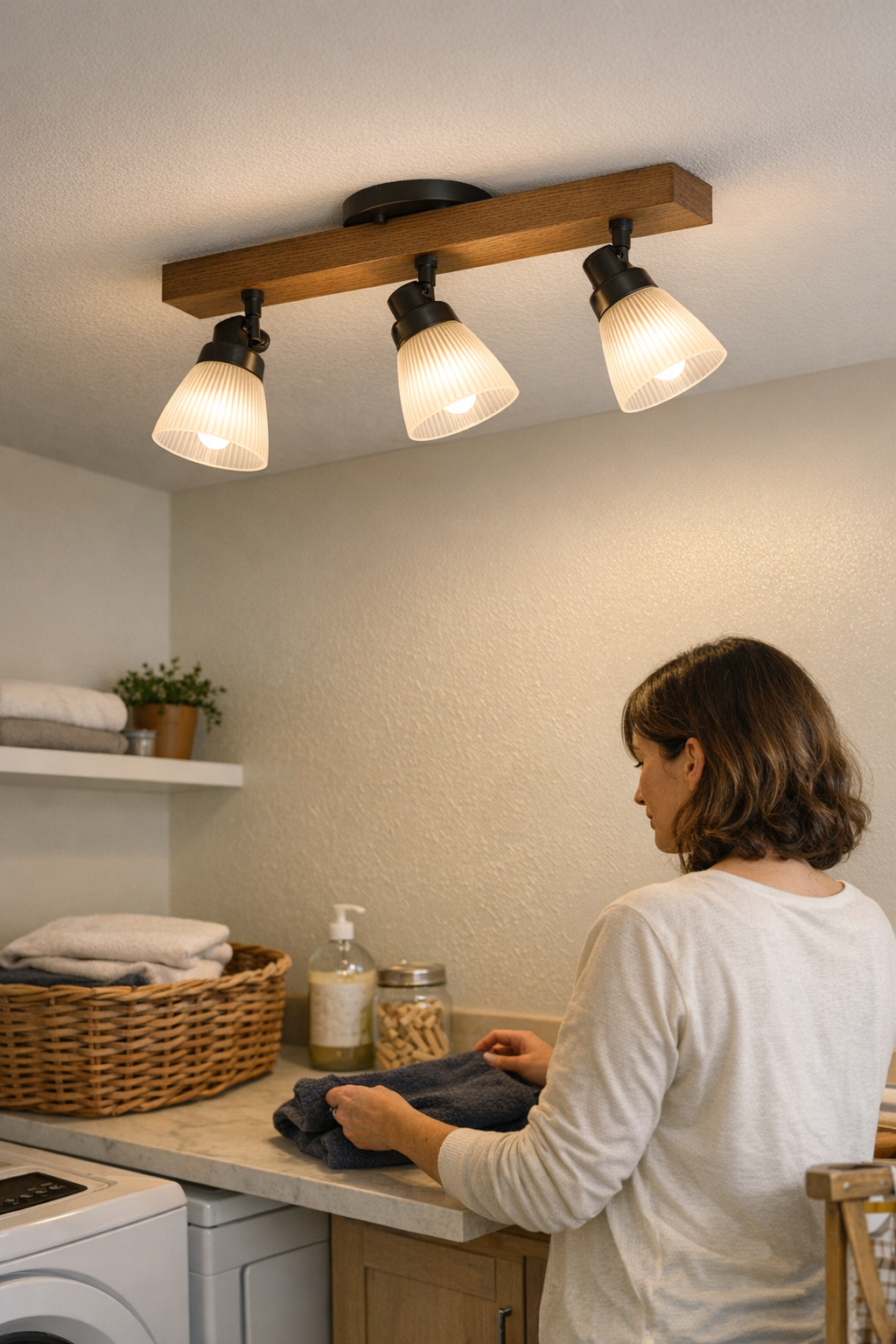
There’s a certain comfort in believing your ceiling and wall lights are fine just because they switch on without complaint. For a while, I thought brightness at the switch was all that mattered. But it’s funny—living with the same fixtures day after day, you start to notice when something’s off. Not dramatic, not urgent. Just a subtle drift away from ease, almost imperceptible until daily routines begin to fray around the edges.
It’s not about the look. It’s the way shadows settle, the shift of your own reflection in an uneven bathroom mirror, the worn comfort of hallways that somehow grow dim at corners, even when lights are supposed to be on full brightness.
You don’t notice it immediately.
The Difference a Shadow Makes
In the laundry room, I got used to a shadow hanging over the far edge of the countertop. Not a problem when tossing towels in, but sorting socks on a cloudy morning had me squinting, shifting the pile toward the light.
That was the part I kept coming back to.
In the bathroom, half my face always seemed sunk in gloom. There was enough light—no question about raw brightness—but mirrors don’t lie. If you hunt for good light by turning your head, something’s wrong long before the wiring fails.
Over time, little hesitations build up. Missing a step in a dim stairwell, running a hand along the wall through a hallway that always has one dark patch at the turn. Is it a bulb issue? Sometimes. But mostly, it’s the fixture—whether the ceiling box, lens, or wall sconce—that’s grown older than you realize, quietly failing at the one job you count on most: making the space workable, not just visible.
Routine, Repetition, Realization
Most lights pass the first test—they’re bright, steady, nothing loose. But dull discomfort slips in with repeated use. That old flush-mount ceiling fixture in the utility space? I’d started dragging laundry baskets to the half-lit end just to check for stains properly. The hallway sconce flickered, not enough to notice walking by once, but enough to feel unsure on quiet nights.
It’s a slow creep. Rooms feel familiar but not entirely safe. Posture shifts, squinting returns, shortcuts in daily rituals emerge just to work around the lighting’s shortcomings.
One day I swapped out the ceiling box in the laundry. Installed a damp-rated, flush-mount LED—nothing showy, but better at spreading light evenly where tasks happen. The next morning, the countertop glowed consistently from edge to edge. The task didn’t change. But the friction was gone.
It’s strange how much relief you feel, seeing the full space clearly—you thought you already knew it.
Not Just Bright—Actually Useful
A fixture can seem “good enough” for years, especially if it came with the house. But little clues keep coming back. Flicker, hum, a new dark spot even after a bulb change—those are easy to ignore when nothing feels wrong at first glance.
Comfort is layered. Lighting that merely works isn’t always lighting that works for you. I started paying attention to what felt off during the most ordinary routines: grooming by the vanity mirror, carrying groceries through the hallway, pausing at the entryway late at night.
Sometimes upgrading isn’t about style or brightness alone. It’s about matching light to everyday reality—helping a narrow stairway stay clear on the last climb, balancing light zones around a mirror, keeping hallway corners calm at night, or making work surfaces in the laundry and utility spaces fully usable with appropriate damp-rated fixtures.
These small moments add up and quietly change your sense of a room.
Sometimes I look around and realize how many real improvements begin with subtle, repeated-use routines. When I want to explore more ways to enhance lighting step-by-step, I let myself wander here: http://www.lighthelper.myshopify.com



