When Familiar Routes Reveal Hidden Travel Frictions
Repeated routes expose static pet bag limits; external pockets for frequent items prevent delays, ease handling, and keep outings smoother.
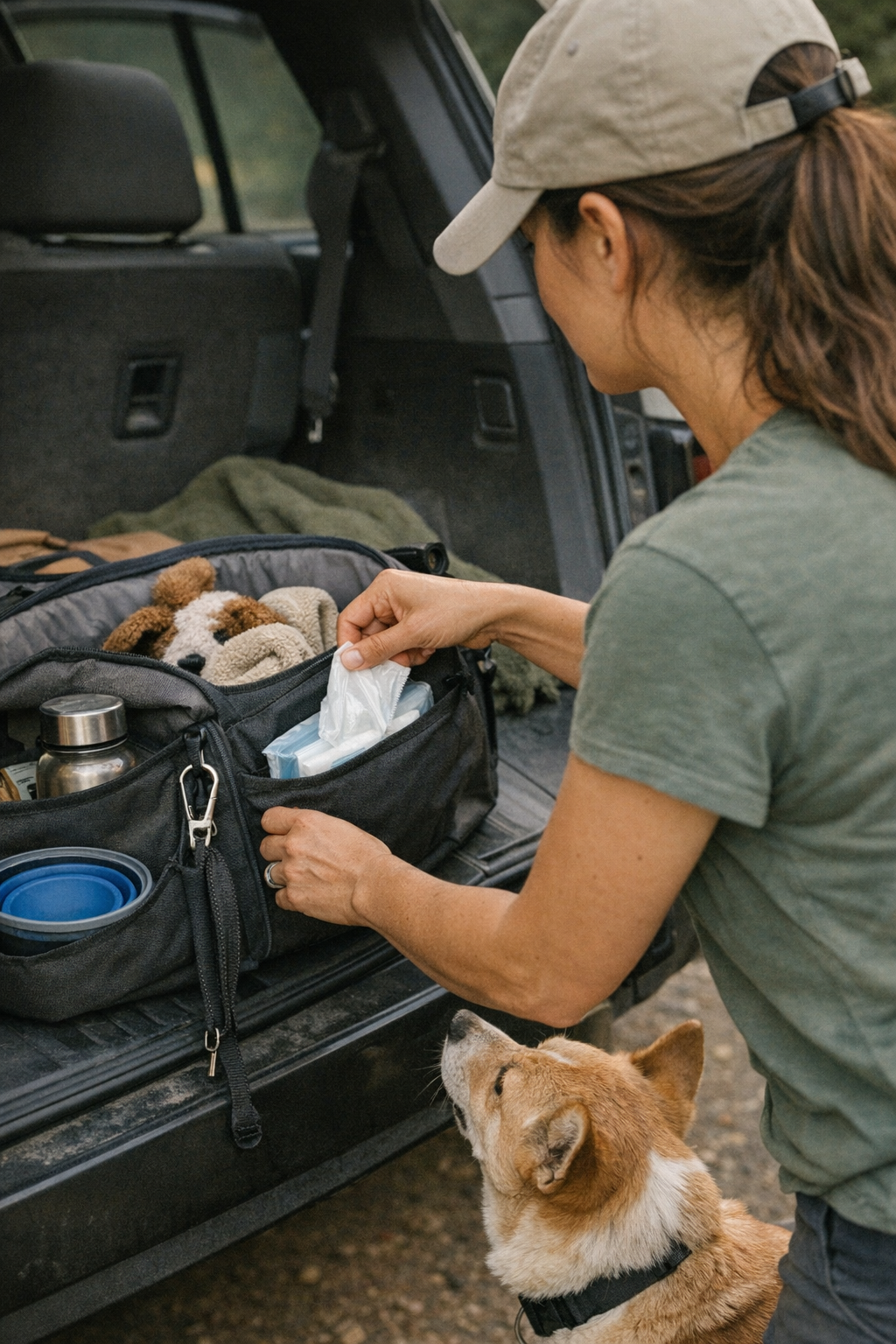
It’s funny how organized a pet travel bag can look right before you leave home. Compartments aligned, water bowl and wipes neatly tucked in, every essential accounted for. But the truth shows up later—usually by the third stop, leash looped around your wrist, your pet spinning because he already knows what’s next. After a few stops, the routine blurs, and what seemed organized becomes a quiet obstacle you keep running into.
The difference between a setup that flows and one that gradually slows you down isn’t obvious at first. At the start, most pet travel bags are just bags: zipped, packed, meant to help. You notice the friction after a few trips—when the bowl you reach for is tangled in blankets, or wipes are crammed underneath toys. The arrangement looks fine, but each grab gets just a bit slower. Often, you don’t realize it until the third stop when you’re reshuffling things to dig out essentials. That repeated pause keeps coming back.
What’s Comfortable Before the Trip Becomes Clumsy in Motion
A pet travel bag can feel perfectly sorted while packing—treats here, comfort items there, leash clipped in, blanket folded neatly on top. Everything seems accounted for, until the movement starts demanding more from the layout. It looks fine initially.
Fast-forward to the roadside or the seat-side with the window cracked: you reach for a wipe, but it’s blocked by the comfort toy. Water is within reach, until it isn’t. A misplaced strap, or a favorite blanket shifting at the wrong moment, splits your attention enough to turn a quick stop into a small hassle. Sometimes the friction comes not from too much gear, but from the setup itself. These aren’t mistakes you spot on the first outing—they settle in slowly with repeated use.
With every trip, the bag’s weight stays the same—but access does not. Slowed reach becomes background noise to a routine that could—and should—be lighter.
The Small Shift That Opened Up the Routine
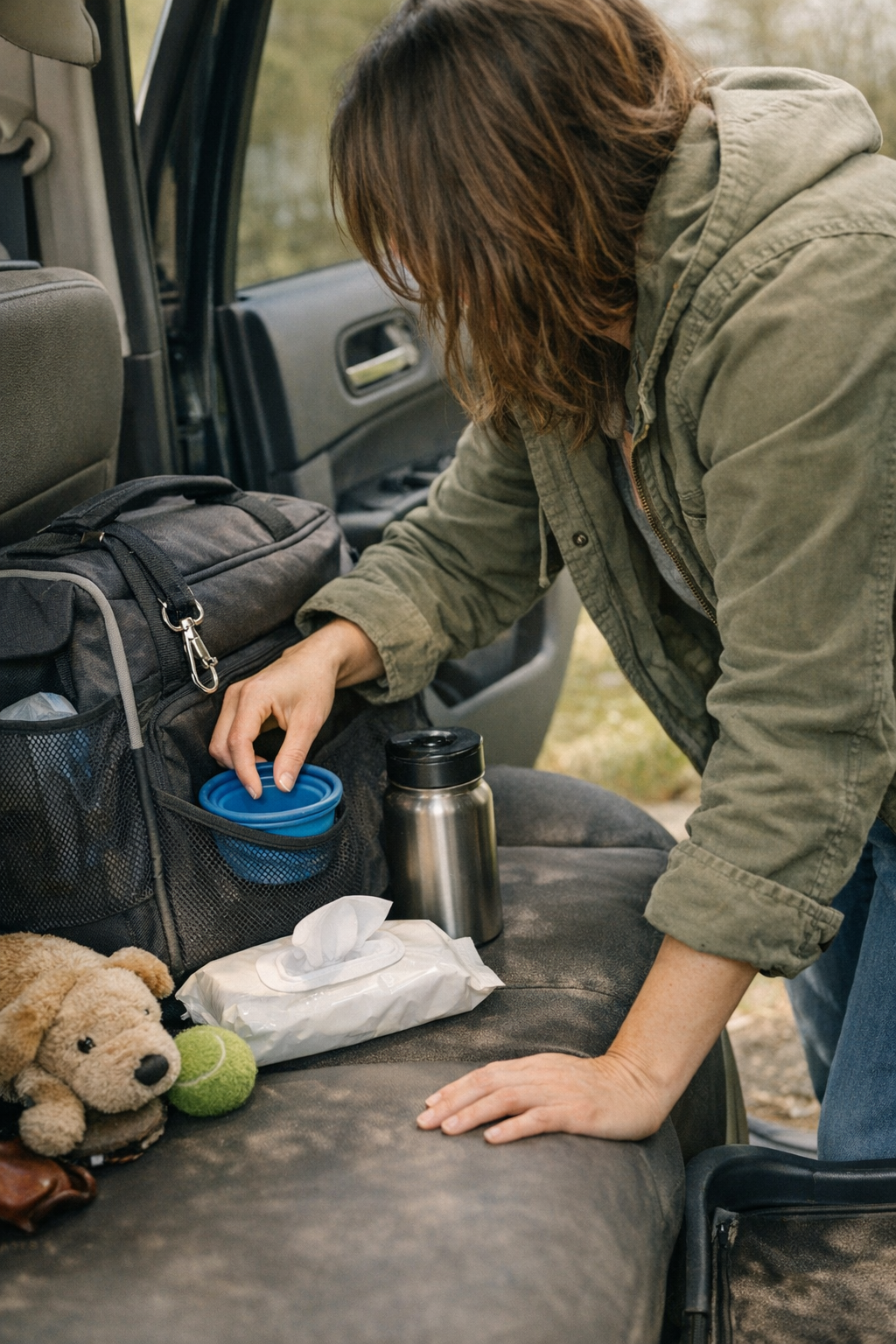
A subtle change made the biggest difference: moving quick-use items—wipes, a spare bowl, the leash end—out of the main pocket and into an outside pouch I could reach without unpacking everything. It wasn’t a major overhaul, just an adjustment, but it made every pause simpler. The blanket and larger comfort layers stayed inside, out of the way.
The effect wasn’t dramatic, but it added up. On park days with several stops, each return to the bag felt less cluttered. No more digging under soft items for essentials. With the routine familiar to both of us, a smoother grab meant the start and end of each leg matched the calm I wanted. This change didn’t alter what I packed—only how—and it’s oddly satisfying to see the main pocket stay closed except when absolutely needed.
Still Noticing It, Even After the Routine Feels Old
There are still small pauses—checking a closure twice, nudging a treat pouch aside. But the difference is clear. Most of the time, there’s no frantic rummaging or second guessing at the curb or trailhead. The outside pocket has become the landing zone, almost automatic. Some friction simply doesn’t come back.
It’s less about getting everything perfect and more about letting the bag fade into the background, so travel feels less like managing gear and more like moving forward. When the stop is quick and your pet’s already waiting, having the essentials in a quieter spot keeps the pace smooth.
Maybe the best sign is how, even with the same destination and the same little tangle of gear, starting each new trip always feels a bit lighter.