When Familiar Routines Fail to Bring Quiet Nights
Night waking in dogs often stems from routine mismatches like water access or lingering excitement, not just repetition. Adjustments help.

It’s easy to assume that a well-rehearsed night routine guarantees peaceful sleep for everyone. You follow the same steps each evening—walk, food, lights dimmed, that familiar late stare from the mat—and naturally expect that routine to bring rest. I believed this for a while, until a quiet feeling kept nagging at me. Nothing dramatic, but those unsettled mornings began to pile up: the dog circling at midnight, sneak-licking the water bowl after hours, the sigh and soft requests to go out at 3 a.m. The routine was there on paper, but full nights of sleep were not.
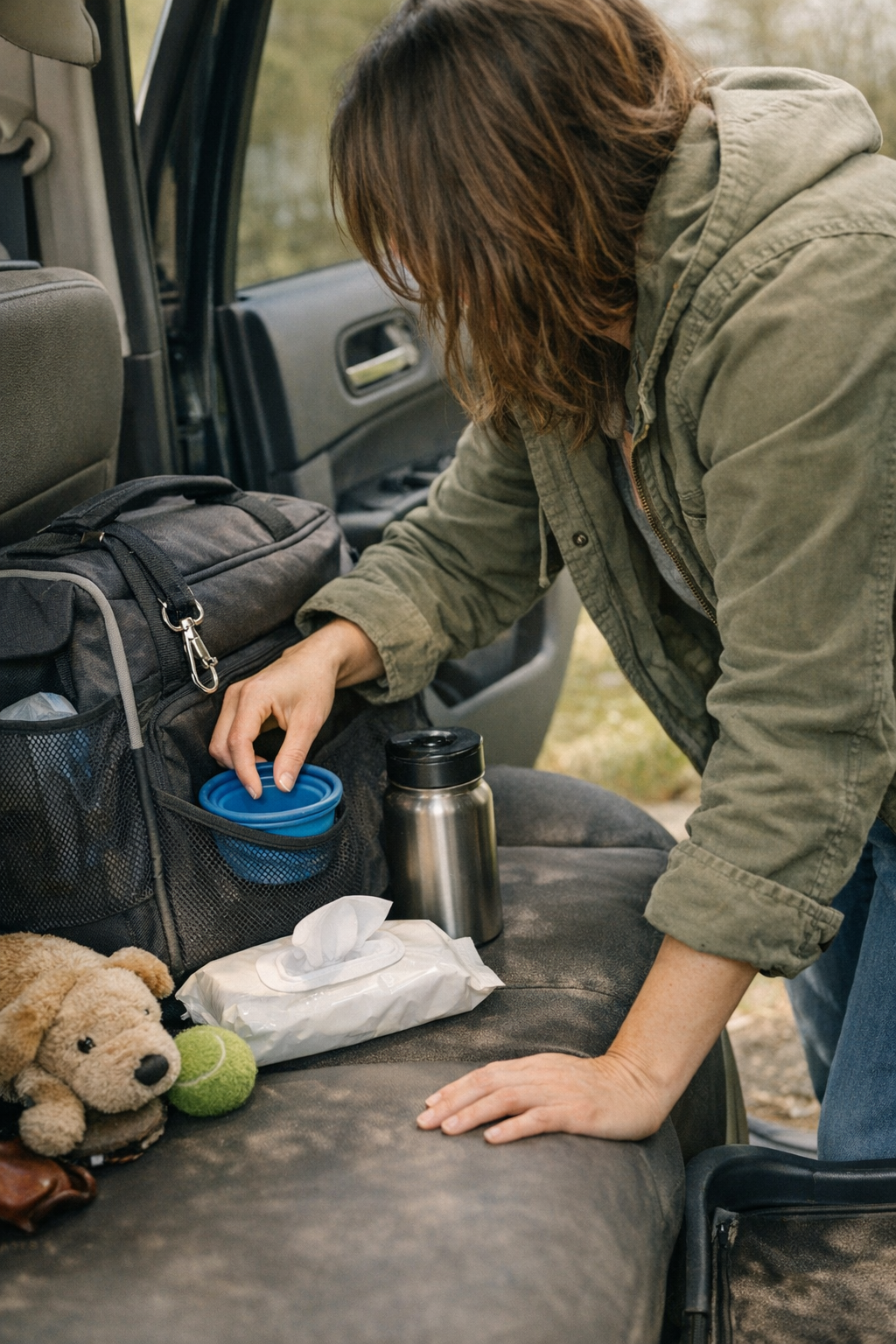
You begin to realize that routines, especially evening ones, can mask small gaps wrapped inside repetition. It’s rarely just one odd night. Watching the dog finish a walk and curl up, only to get back up thirty minutes later to nudge the water bowl, suggests something small slipped through. Even the order of things matters—a leash left on the table instead of the hook by the door, or the half-folded towel you don’t grab until the dog’s already muddying the floor. These little details add up.
The difference showed itself in quieter ways than I’d expected.
The Repetition That Hides the Gaps
At first, I thought the problem was some one-off thing—a noise outside or activity in the neighborhood. But after about a week, patterns became clearer. I found myself waking just before the dog, as if the day knew what was coming. Sometimes it was the bowl being too easy to reach, drawing him in for a distracted drink that triggered the need to go out. Sometimes it was how I tidied at night—stacking toys neatly only to see him pacing endlessly, energy still unspent. At first glance, it looked fine.
These moments carve grooves in the routine itself. You start shifting mats, moving beds to corners, questioning if the quiet at bedtime really matches the calm you want. Some things don’t change—like expecting that a process always means a solution—but restlessness creeps from night into morning and back again.
Being “settled” and truly ready for rest aren’t always the same.
Where Calm Looks Like Clutter
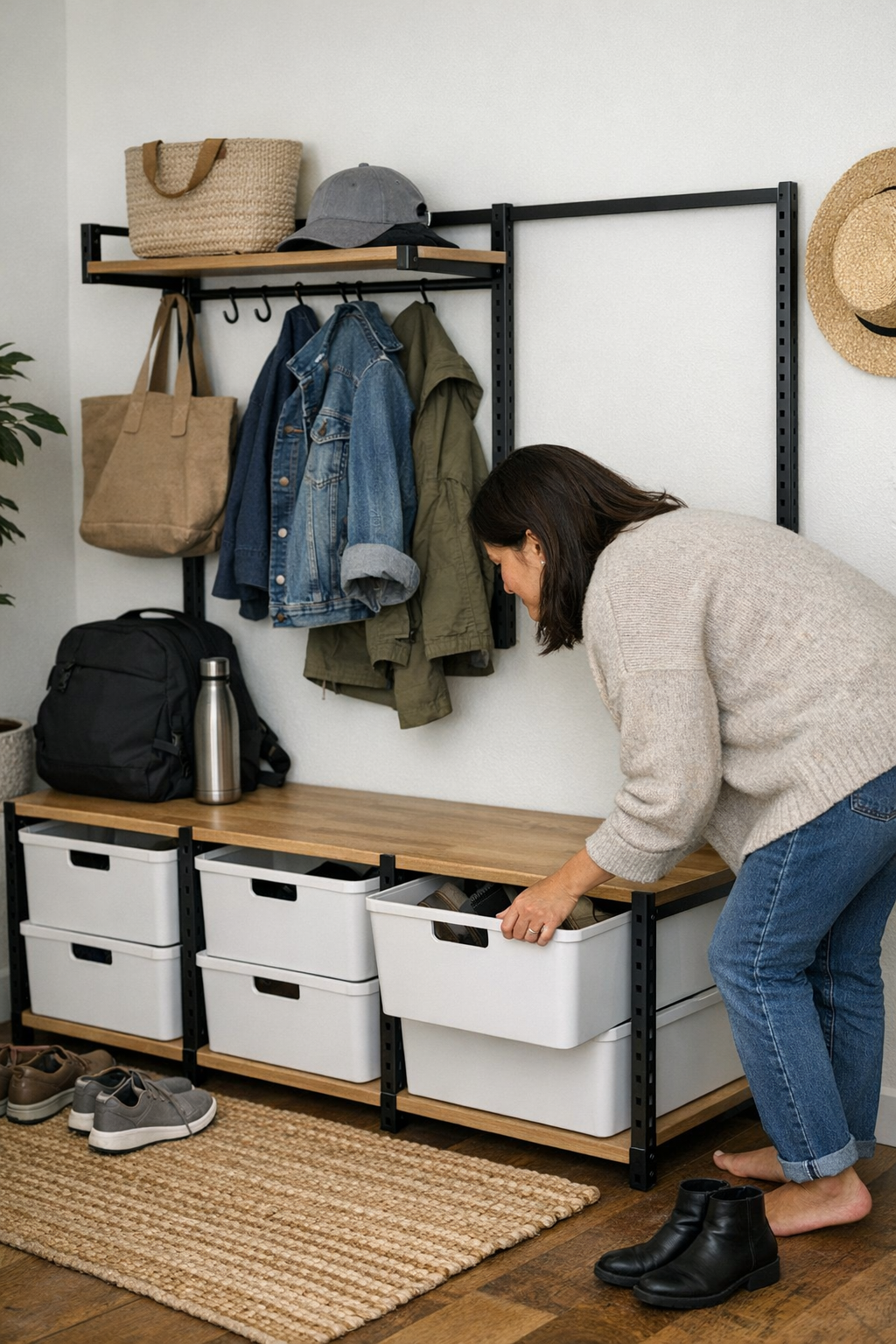
It’s simple to tidy up for the night: line up toys, hang the towel, top off food and water. But the difference between a space that only looks ready and one that’s easy to live through shows up in use, not just appearance. I noticed it in how I’d trip over the edge of the mat or awkwardly reach for the bowl after waking groggy. Keeping everything too accessible to me meant the dog found stimulation at odd hours—water too close, a toy poking just within paw reach—and his soft re-activation started just as the house finally slowed down.
The tension wasn’t dramatic, but slow and cumulative. I reset the area for three nights straight, yet the pacing returned. The water bowl seemed almost like a signal for more restlessness. The crate door nudged open, the towel still damp, and one unclaimed sock drifting into the sleep zone. Nothing looked wrong on the surface, but repeated quiet nights made the spillover obvious.
You only really notice after a few mornings.
A Small Shift, and a Quieter Night
The practical change came one night out of mild frustration, when I pushed the water bowl a couple of meters farther from the sleep area. That was it—no dramatic new gear, no overhauled schedule. Suddenly, the late-night water trips dropped. The dog still wandered out occasionally, but it wasn’t distracted or driven by boredom; mostly, he just settled down again. A little more distance made that signal quieter.
Other small moves helped too: placing the towel out before finishing the walk instead of after; pulling toys out of immediate reach. The setup looked almost the same but felt lighter to live through. The fix wasn’t about a bigger routine overhaul, but paying attention to which objects invite movement after everything else has gone still.
The difference was less about being prepared and more about noticing what kept the area quietly restless—and minimizing it. Fewer interruptions, easier resets in the morning, and a dog whose sleep stretched out alongside mine.
These thoughts stayed with me as routines returned and the nights grew quieter: