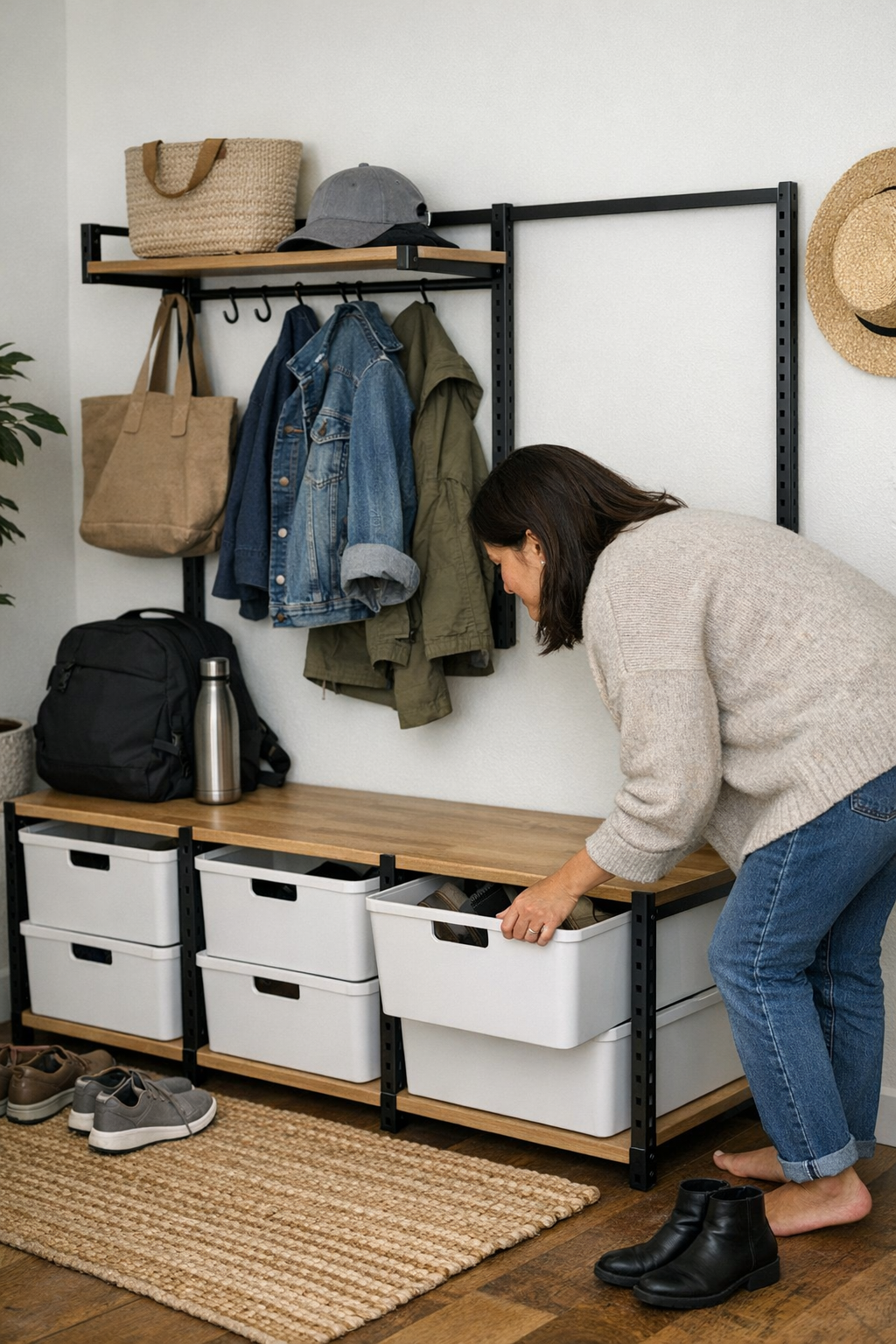
When Familiar Spaces Lose Their Comfort
Strong or lingering scents often push cats to abandon rest areas, causing fur buildup and extra cleaning elsewhere. Removing scents helps.
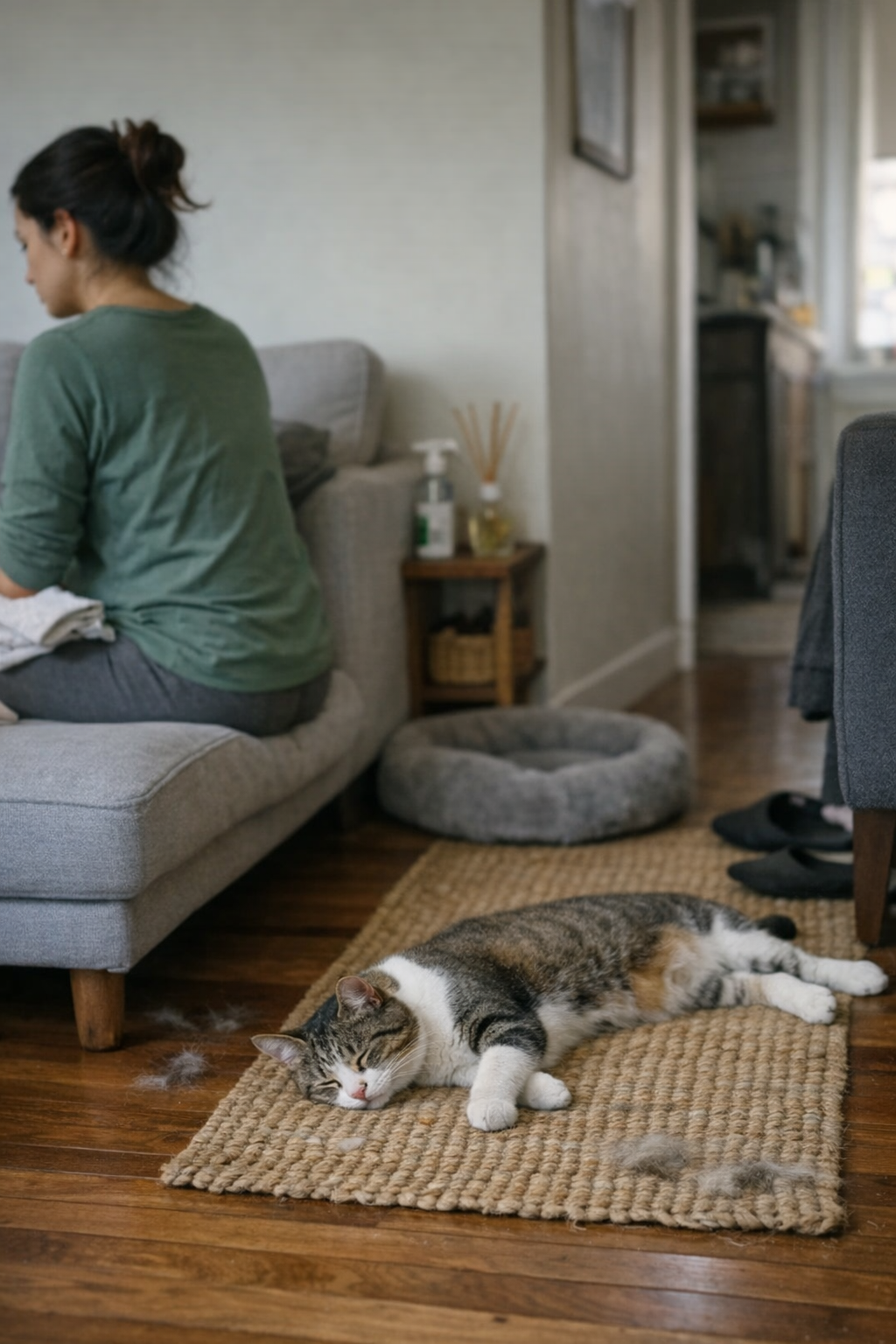
There’s a curious gap between how a cat’s space looks and how it actually works, especially in a well-used home setting. You might set up a rest spot—mat fluffed, blanket folded, everything arranged in a sunny corner near the feeding area or water setup—and feel confident you’ve made life easier for your cat. But then the air changes: a hint of laundry soap, a stronger candle, or a cleaning spray, and your cat suddenly vanishes from the perfect setup you made. The absence feels small at first, but something in the room is off—the fur you expected by the bed or near the litter-adjacent area now gathers somewhere else.
You start to notice it after a few resets. At first, the bed looks untouched for a day or two, maybe some tufts left behind, but not enough to call it a pattern. Then, bit by bit, fur appears on the hallway runner or the edge of the sofa, places that suddenly feel like secondary rest or grooming zones. The original rest area, which once felt like a reliable solution, slowly turns into a forgotten backdrop. It’s not about the look or softness of the bed—it's the nearby scents quietly reshaping the routine.
The recurring factor is the intensity of fragrance—not the comfort or shape of the spot—that matters most. Clean laundry stacked too close, a freshly wiped surface with lingering detergent, or a spritz from a room spray suddenly pushes the cat into neutral ground. These new spots are often less convenient: under tables, around high-traffic mats, or squeezed between storage bins where vacuuming doesn’t quite reach. The “mess” shifts with the cat’s movements, sending you chasing hair in more awkward corners instead of a controlled rest zone. Instead of resetting the bed area, you find yourself constantly managing scattered fur and disrupted routines.
The simple fix in most cases turned out to be distance—not avoiding scented areas altogether, but pulling them farther away than originally thought necessary. About a meter became an invisible boundary. Moving diffusers a couple of steps down, setting folded laundry farther off from the water or food bowls, and placing cleaning sprays away from litter-adjacent zones helped. The rest bed got its old occupant back, and fur mostly stayed within spots where cleaning was already part of the routine. Nothing revolutionary, but enough to slow that creeping spread and reduce constant catch-up during regular home resets.
Most days, the rest and grooming zones settle back into place—quiet and predictably messy in their own way. But every so often, after wiping a surface or airing sheets near feeding or litter areas, it helps to remember how easily a stray scent from household products or cleaning routines can send daily setups adrift and complicate simple resets.
If you ever want to see some quiet solutions for keeping these routines simpler, you might find something here: http://www.stillwhisker.myshopify.com