When Flexibility Meets Frustration in Shared Pantry Spaces
Adjustable shelf systems allow custom pantry layouts, but only structured, stable setups prevent clutter and delays over time.
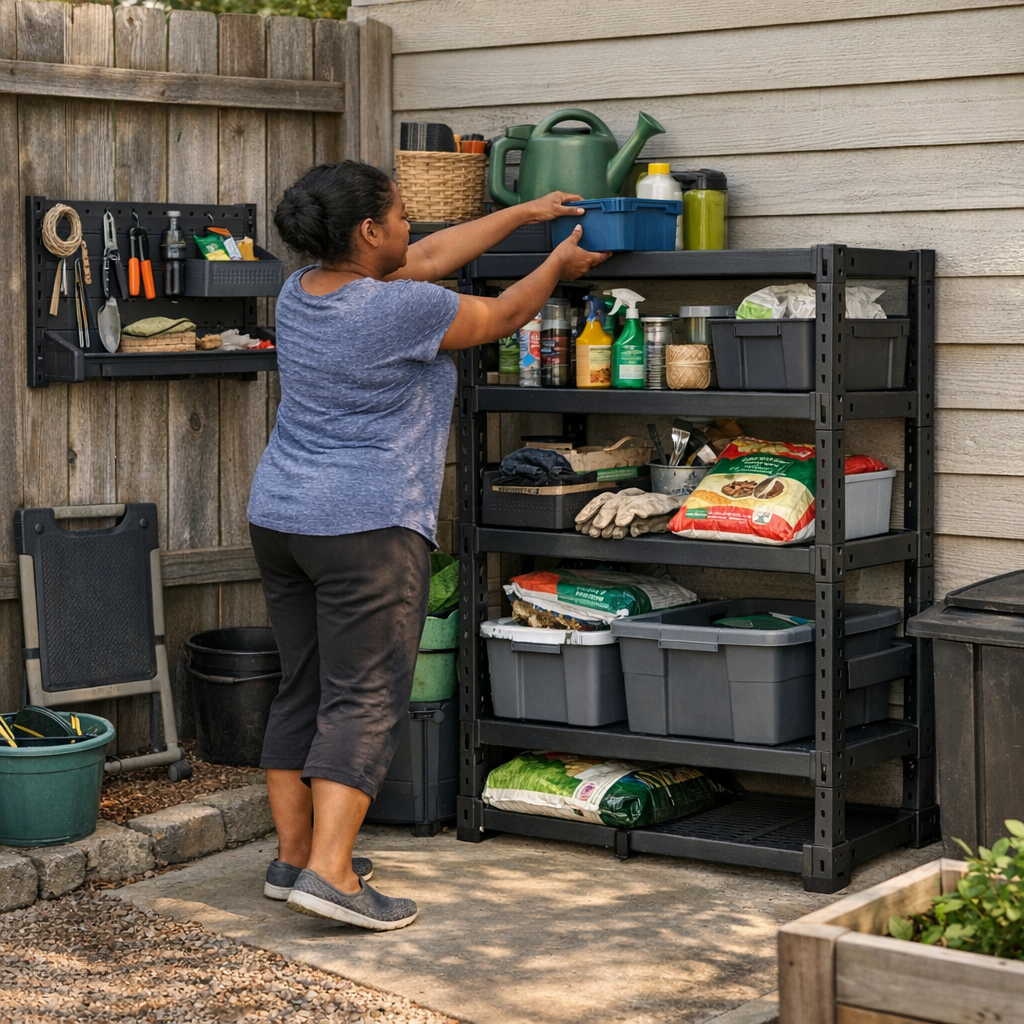
It took a few weeks before I really noticed the shift. At first, the pantry looked just as it always had—a mix of fixed and adjustable shelves stocked with boxes and jars, mostly neat and orderly. But gradually, a subtle change tugged at the edges of my attention. There’s a real difference between how a space looks right after organizing and how it actually functions day-to-day. Especially in a shared pantry where storage needs overlap, habits begin to rewrite the layout. It was the small, incremental shifts—the ones I barely saw at first—that ultimately revealed how shelves quietly shape the flow of everyday use.
The Promise of Flexibility and Where It Slips
Adjustable shelves start out feeling like freedom: a modular system meant to adapt to ever-changing items. Taller cereal boxes appear, oddly sized sauce jars arrive, and with a quick lift and slide, the shelves move to fit—or so it seems. But in a communal pantry, use never moves in a straight line. The convenience subtly unravels.
One person raises a shelf for stacked cans, another slides it down to squeeze in snack boxes. Categories, which once had clear boundaries, begin to blur. Cans get pushed behind boxes, jars tucked into leftover gaps. The careful logic from day one softens into scatter. I often found myself scanning past multiple food types just to locate a single can, frustrated by how much visibility and access had slipped.
What Fixed Shelves Reveal in Daily Use
Fixed shelves set clear edges, even if you resist their constraints. There’s relief in this stability—a shelf set just high enough for jars, arranged in a single row. It’s rarely a perfect fit. Tall bottles waste some vertical space; small cans leave gaps. But the categories hold firm. Over weeks, these zones settle into muscle memory: grab, replace, repeat. The quiet tension between wanting to tweak the layout and learning to live with it fades into habit.
Restocking becomes simpler—not a session of constant rearranging, but a straightforward refill. The shelves become unwritten markers, telling you where things go without thought. Real order starts to emerge only when the shelves stop moving.
Where Calm Eventually Sets In
Whether shelf heights are perfectly optimized or not, the key to maintaining order was resisting the urge to reset for every new item. The cereal box found its spot, the backup pasta slid in behind it, because the shelf limits stayed firm. The pantry stopped just looking organized—it became easier to use. No second-guessing, no hunting for the right place.
You can almost feel calm rise to fill the gaps once cluttered by continual shifting. Each shelf, claiming a routine, gave back time: retrieval became smooth, restocking quick. The simple act of leaving the structure alone made every other step more fluid.
Sometimes the smallest, most effective change is just letting the shelves hold their line. I kept the adjustable hardware, but the real shift was learning how rarely I needed to adjust it.
If you want to see these systems in context, there’s more to explore here: http://www.gridry.myshopify.com



